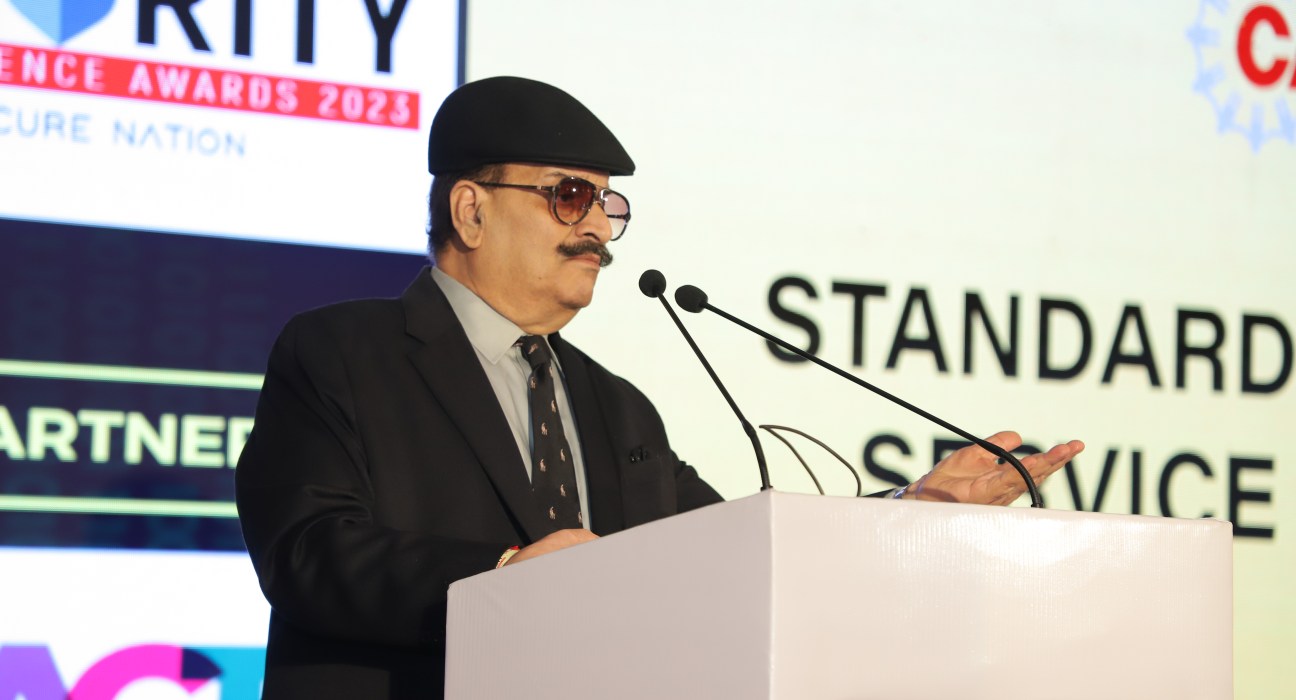
Kunwar Vikram Singh, CAPSI Chairman, paves the way for a robust security industry with a focus on quality training and international standards
In a world where security plays an increasingly crucial role, the recent efforts to standardise service delivery in the security industry are drawing attention and raising hopes. Kunwar Vikram Singh, Chairman of the Central Association of Private Security Industry (CAPSI), expressed optimism about the industry’s future and highlighted the need for comprehensive training to maintain high standards.
Singh is confident about the industry’s prospects. Speaking about the evolution of security services in India, he said, “At one time there was not a single security consultant in the country.” His journey began with a unique assignment – consulting on the security arrangements for the late Prime Minister Indira Gandhi during a sports event in 1990. Since then, he has witnessed a remarkable transformation in the industry.
Singh emphasised, “While technological advancements are important, the real strength of any security system lies in the quality of its human resources.” He underscored the importance of training individuals to meet international standards, comparing this essential process to the internationally recognised ISO1788.
The security industry relies heavily on a skilled workforce, and Singh stressed the need to invest in training and developing personnel. He acknowledged the contributions of highly skilled individuals from the armed forces who transition to roles in internal security. However, he also highlighted the importance of setting high standards for all security professionals, regardless of their background.
He emphasised the necessity of adhering to international standards to ensure the country’s safety and security. He pointed out that while India requires lakhs of security personnel to protect its citizens and assets, it is equally crucial to ensure that they are trained to global benchmarks.