China became India’s largest trading partner in 2023-24, with bilateral trade worth $118.4 billion. However, India’s exports to China were only $16.67 billion
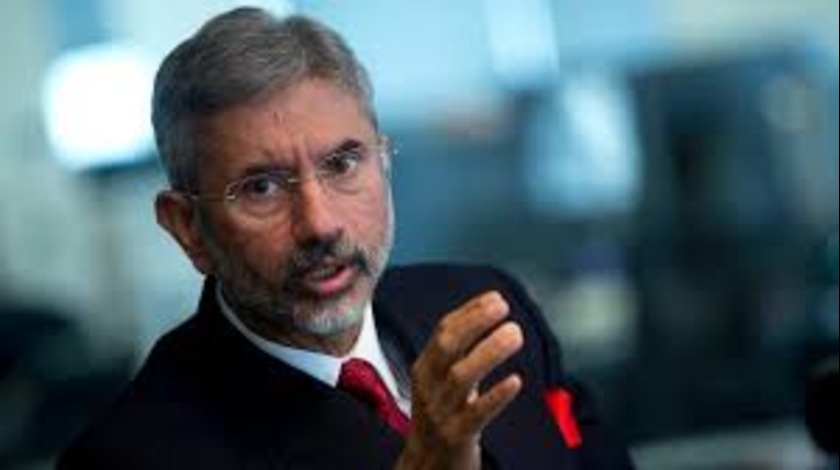
Indian firms need to evaluate their business dealings with China through a “national security filter” and focus more on sourcing from domestic manufacturers amid the ongoing standoff on the Line of Actual Control (LAC), said External Affairs Minister S. Jaishankar on Friday. Speaking at the annual business summit of the Confederation of Indian Industry (CII), Jaishankar highlighted multiple global challenges, including the Russia-Ukraine conflict, escalating violence in West Asia, and disruptions in logistics due to war and sanctions. These issues have combined to create a “perfect storm” for the world economy.
During a question-and-answer session, Jaishankar addressed India’s concerns about China, emphasizing the importance of national security in business dealings. “Where China is concerned, we will still encourage people in this country – manufacture in India, source in India, procure from India,” he said. Jaishankar clarified that while India has not entirely prohibited business with China, there is a preference for working with Indian companies when possible for national security and long-term business benefits.
Jaishankar stressed that Indian businesses should use a “national security filter,” meaning they should evaluate the security implications of their business decisions, though it doesn’t mean a complete halt to imports from China. Referring to the LAC standoff, Jaishankar compared it to a neighbor barging into one’s home and creating chaos, questioning the logic of doing business under such circumstances. He reiterated that normalizing India-China relations depends on peace and tranquility at the border, contrasting with China’s stance on separating the border issue from other aspects of the bilateral relationship.
Despite tensions, China became India’s largest trading partner in 2023-24, with bilateral trade worth $118.4 billion. However, India’s exports to China were only $16.67 billion, highlighting a significant trade imbalance. Jaishankar pointed out the need for India’s business community to look beyond just price points and focus on domestic sourcing and production.
Jaishankar outlined the various challenges impacting the global economy, including the prolonged Ukraine conflict, escalating violence in West Asia, logistical disruptions, and crises in fuel, food, and fertilizers. He noted new tensions in Asia due to dishonored agreements and disregard for the rule of law, indirectly referencing China.
In dealing with these global challenges, Jaishankar emphasised the importance of a balanced approach that prioritises India’s interests while contributing to global stability. He expressed concerns about the weaponisation of economic activities through market dominance, financial control, and technology tracking, citing examples of political pressure through trade and sanctions.
The Indian government aims to address the neglect of manufacturing by previous administrations, which has resulted in employment challenges, especially for SMEs, technological weaknesses, and national security concerns. Jaishankar highlighted the role of foreign policy in building trust and reliability between governments, reducing supply chain risks, and enhancing collaboration in critical technologies. He mentioned ongoing efforts with the US through the iCET dialogue and with the EU through the Trade and Technology Council. Additionally, Jaishankar noted new economic opportunities with Russia as it pivots eastward amidst its geopolitical challenges.