The decision follows growing public anger over the rising number of fatal accidents in Karachi
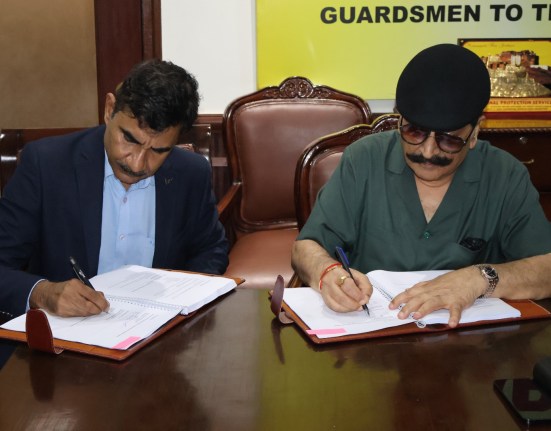
In response to a sharp rise in fatal road accidents involving heavy traffic vehicles (HTVs), Karachi Commissioner Syed Hassan Naqvi has directed the mandatory installation of cameras and tracking devices in all such vehicles operating within the city. The move comes after successful negotiations between city authorities and the goods transporters’ association, bringing an end to a strike that had disrupted port operations and hindered trade.
As part of the agreement, all HTVs—including dumpers, water tankers, and oil tankers—must now be fitted with three surveillance cameras: one at the front, one at the rear, and another inside the vehicle to monitor the driver’s condition. “The camera inside the vehicle will help keep a check on the driver’s condition,” explained Imdad Naqvi, a representative of the goods transporters’ association.
The decision follows growing public anger over the rising number of fatal accidents in Karachi. Over 250 road fatalities have been reported recently, with 85 deaths attributed to incidents involving heavy vehicles. Public protests turned violent in some areas, with demonstrators torching HTVs in frustration over the lack of regulation and safety enforcement.
In addition to camera installation, the Sindh government has implemented a range of safety measures. A ban has been imposed on the movement of dumpers between 10pm and 6am, and all HTVs are now subject to a strict 30 kilometres per hour speed limit within city limits. Further steps include the installation of protective guardrails around the tyres of heavy vehicles and the compulsory use of GPS trackers. The footage and data from these trackers will be accessible at the office of the Deputy Inspector General (DIG) of Traffic to support investigations, especially in hit-and-run cases.
Transporters have also committed to ensuring the roadworthiness of all heavy vehicles within three to six months. “The association has agreed to get all dumpers and tankers inspected for fitness,” Imdad added, acknowledging that while significant progress has been made, the original May 1 deadline set by the authorities was unrealistic.
To monitor compliance, progress reports on the implementation of safety measures and vehicle tonnage will be submitted to the commissioner and the DIG every 10 days. These efforts mark a shift towards enhanced road safety in Karachi, aiming to reduce fatalities and restore public confidence in the city’s transport regulation framework.