The threats are global. The frameworks can no longer be local.
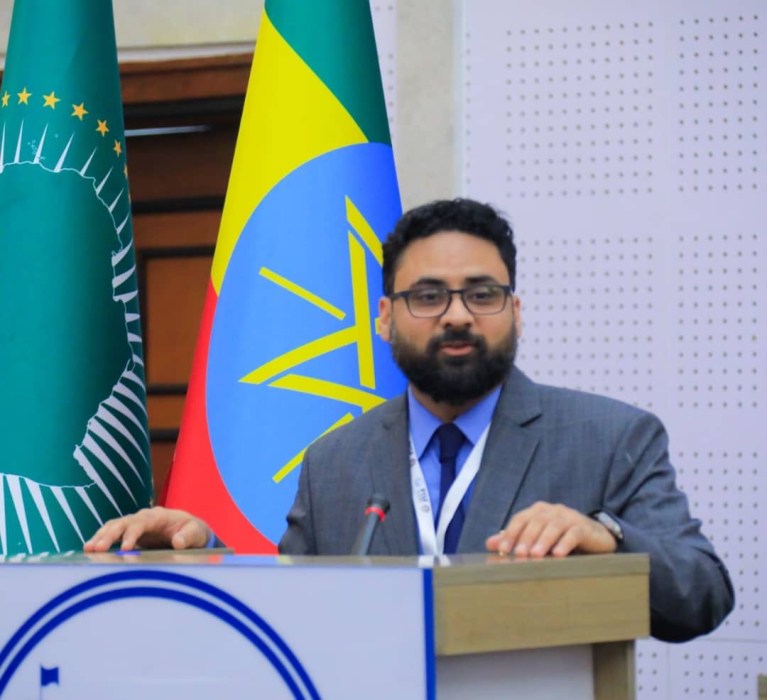
In a significant moment for India’s growing presence in global cybersecurity discourse, Dr Varun Suthra, Director of International Relations at KIIT University and Member of the Communications Commission at FIVB, delivered a keynote address at the Ethiopian Parliament, before an assembly of parliamentarians, policymakers, diplomats, security experts, and strategic affairs leaders from across the world.
The high-level international conference, inaugurated by Hon. Tagesse Chafo, Speaker of the Ethiopian Parliament, alongside a former U.S. Congressman serving as Chairman of the Forum, brought together distinguished delegates to deliberate on some of the most pressing security challenges of our time; from emerging cyber threats and intelligence cooperation to resilient governance in an increasingly interconnected world.
Dr Suthra’s keynote, titled “Cybersecurity and Critical Infrastructure: Building National Resilience in the Digital Age,” made a case that is both urgent and increasingly difficult to ignore: cybersecurity is no longer an information technology concern. It is a strategic pillar of national security, economic stability, and public trust. At the centre of his address was a call for governments to treat the protection of critical infrastructure; spanning energy systems, healthcare, financial services, telecommunications, transportation, and digital public infrastructure, as a matter of sovereign priority, as cyber threats continue to grow in both scale and sophistication.
What distinguished Dr Suthra’s address from conventional cybersecurity discourse was its intellectual depth. In a rare and compelling fusion of ancient strategic thought and contemporary policy, he drew from the Charaka Samhita and Kautilya’s Arthashastra, demonstrating how timeless Indian principles of prevention, preparedness, intelligence, and resilience are not relics of the past, but living frameworks with direct relevance to the cybersecurity challenges nations face today. It was a reminder, delivered on a global stage, that India’s strategic heritage has as much to offer the digital age as its technological prowess.
Dr Suthra’s participation at the Ethiopian Parliament reflects a broader and welcome shift, one in which Indian security and policy thinkers are increasingly shaping multilateral conversations on digital governance, critical infrastructure protection, and collaborative resilience. As the world grows more interconnected and the threat landscape more complex, voices that bridge disciplines, geographies, and centuries of strategic thinking are precisely what the global security conversation needs more of.