


The diplomatic dialogue comes amid recent remarks by Bangladesh Army Chief General Waker-Uz-Zaman, which sparked debate over the nations’ bilateral relations
In a move highlighting the significance of securing the India-Bangladesh border, India summoned Bangladesh’s Acting High Commissioner, Md. Nural Islam, to the Ministry of External Affairs (MEA) on January 13, 2025. The discussion centred on enhancing border security protocols and reaffirming commitments under bilateral agreements to address cross-border challenges effectively.
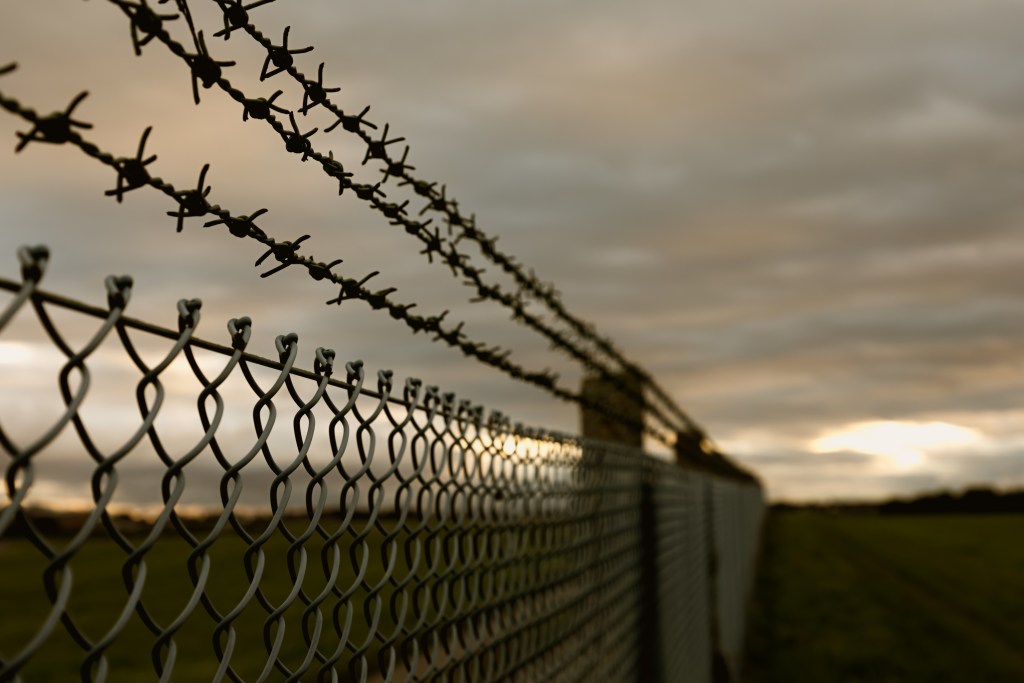
India outlined comprehensive measures, including fencing, technical surveillance, cattle barriers, and border lighting, to bolster the safety of the 4,096-kilometre shared boundary. The MEA statement stressed that the Border Security Force (BSF) and Border Guard Bangladesh (BGB) are collaborating to counter issues such as smuggling and human trafficking. India also urged Bangladesh to expedite the implementation of previously agreed security measures, promoting stability and security in the region.
On the same day, General Upendra Dwivedi, India’s Chief of Army Staff, underlined the strategic value of India-Bangladesh relations during the Indian Army’s annual press conference in New Delhi. Addressing reporters ahead of the 77th Army Day, General Dwivedi highlighted the shared benefits of mutual cooperation between the two neighbours.
“Bangladesh is strategically important to India and vice versa. We are neighbours, and we must live together and understand each other. Any kind of animosity is not in the interest of either country,” he said.
General Dwivedi noted the strong communication between the Indian and Bangladeshi armies, referencing a recent video conference with his Bangladeshi counterpart on November 24, 2024. He acknowledged minor tensions in the relationship, including a controversial remark by Bangladesh’s Army Chief, General Waker-Uz-Zaman, but emphasised that military cooperation remains robust. While a joint military exercise was temporarily postponed, the General assured that such collaborations are ongoing and signify the nations’ commitment to regional peace and security.
Diplomatic Tension
The diplomatic dialogue comes amid recent remarks by Bangladesh Army Chief General Waker-Uz-Zaman, which sparked debate over the nations’ bilateral relations. In a recent interview, General Waker-Uz-Zaman described the relationship as a “give and take” dynamic, pointing to interdependence in trade and employment.
“We buy a lot of goods from India, and a large number of Indians live and work in Bangladesh,” he said, acknowledging India’s importance to Bangladesh’s stability. He also highlighted the historical ties forged during Bangladesh’s 1971 independence struggle, aided by India.
While his comments reminded both sides of their shared history, they also drew criticism for their transactional tone. However, General Waker-Uz-Zaman tempered his remarks, asserting that Bangladesh remains committed to not harming India’s strategic interests. “India is an important neighbour,” he concluded, advocating for fairness and mutual benefit in their relationship.
Towards Balanced Approach
As India and Bangladesh address challenges related to their shared border, the emphasis on effective communication and mutual cooperation remains central. India’s proactive measures, combining advanced technology and physical security enhancements, reflect its focus on fostering a stable and secure environment.
Despite occasional diplomatic setbacks, both nations appear committed to strengthening their relationship. The mutual recognition of shared interests, reinforced by military dialogue and strategic planning, offers hope for continued collaboration and stability in the region.