


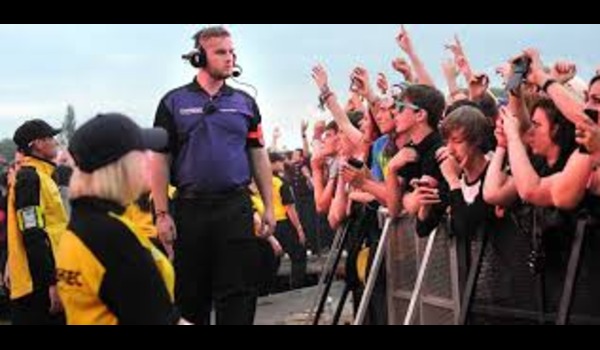
Hostile actors might target these entry and exit points as ‘soft targets’ if security measures are weak
The National Protective Security Authority (NPSA) has released new guidance aimed at addressing key security concerns and providing strategies to reduce risks at high-risk crowded venues such as arenas, stadiums, shopping malls, and nightclubs.
Crowded events can be prime targets for terrorist attacks, especially at popular venues like stadiums, concert halls, exhibition centers, theaters, nightclubs, shopping malls, theme parks, and temporary event sites like festivals. Entry and exit points are particularly vulnerable since the timing and locations of increased crowds are predictable.
The congregation of people during entry (ingress) and exit (egress) phases creates security challenges, as these areas often lack sufficient safety measures and may fall outside the direct control of the venue. Ensuring the safety of people during these phases is critical but complex, especially considering factors like long queues, ticket checks, and bag searches.
Hostile actors might target these entry and exit points as ‘soft targets’ if security measures are weak. The NPSA’s new guidance emphasises the importance of understanding potential threats, identifying vulnerabilities during entry and exit times, mitigating risks, and continually recording, testing, reviewing, and revising security plans and procedures.
Several factors need consideration when devising a security plan, including the audience profile, venue location, available space, and surrounding landscape. The NPSA guidance offers tips for keeping people safe, ranging from basic operational changes to more complex security-focused design approaches.
The core message of the NPSA guidance is the importance of thorough planning and preparation to ensure the safety of people visiting venues and attending events, especially during the vulnerable ingress and egress phases.