


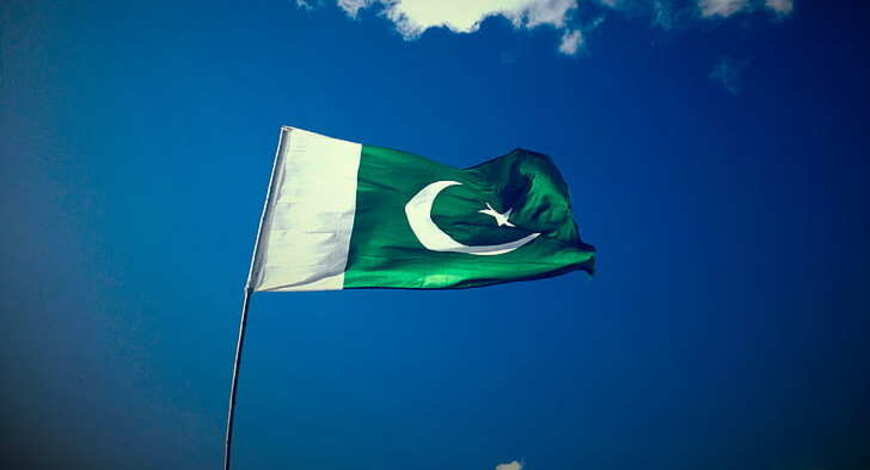
During its term, Pakistan is set to preside over the UNSC in July, enabling it to influence the council’s agenda
Pakistan has taken a significant step on the global diplomatic stage by assuming a seat on the United Nations Security Council (UNSC) as a non-permanent member. Replacing Japan, Pakistan will represent one of the two Asia-Pacific seats alongside South Korea for a two-year term starting today. This marks the country’s eighth tenure on the world’s premier diplomatic body.
Strategic Role & Influence
During its term, Pakistan is set to preside over the UNSC in July, enabling it to influence the council’s agenda. Additionally, the country now holds a key position on the Islamic State (ISIS) and Al Qaeda Sanctions Committee, a body tasked with designating individuals and groups as terrorists and imposing sanctions.
Although non-permanent members do not possess veto power, Pakistan’s position grants it substantial influence, especially in issues such as terrorist designations and sanctions. Islamabad has already hinted at its intent to spotlight contentious issues, particularly its long-standing rhetoric on Kashmir. Pakistan’s UN Ambassador Munir Akram emphasised, “We will continue to highlight the Kashmir issue and push for concrete steps from the international community.”
Regional & Global Context
Pakistan’s ascension comes at a critical time when several regions are grappling with severe political and humanitarian crises. Central and West Asia remain volatile with the ongoing war in Gaza, crises in Lebanon and Syria, and conflicts between Azerbaijan and Armenia. Meanwhile, tensions between Israel and Iran add to the complexity.
Globally, Europe is under economic strain from the prolonged Russia-Ukraine war, while East Asia faces mounting concerns over China’s posture toward Taiwan and North Korea’s military advancements.
Pakistan’s focus also aligns with its ambitions to act as a “Voice of the Muslim World,” positioning itself as a counterpart to India’s role as the “Voice of the Global South.”
UN Reform & India’s Aspirations
Pakistan’s tenure coincides with renewed discussions on reforming the UNSC, where India seeks a permanent seat with veto powers. Islamabad has consistently opposed this proposition, advocating for the expansion of non-permanent seats instead. With Pakistan’s role on the council, it is expected to resist India’s push for reforms while leveraging its position to influence global narratives.
Economic & Diplomatic Backdrop
Pakistan assumes its UNSC seat amidst economic and political challenges at home, which might shape its international engagements. With the Organisation of Islamic Cooperation (OIC) supporting its role, Pakistan aims to consolidate its influence across Muslim-majority nations while navigating complex geopolitical landscapes.