


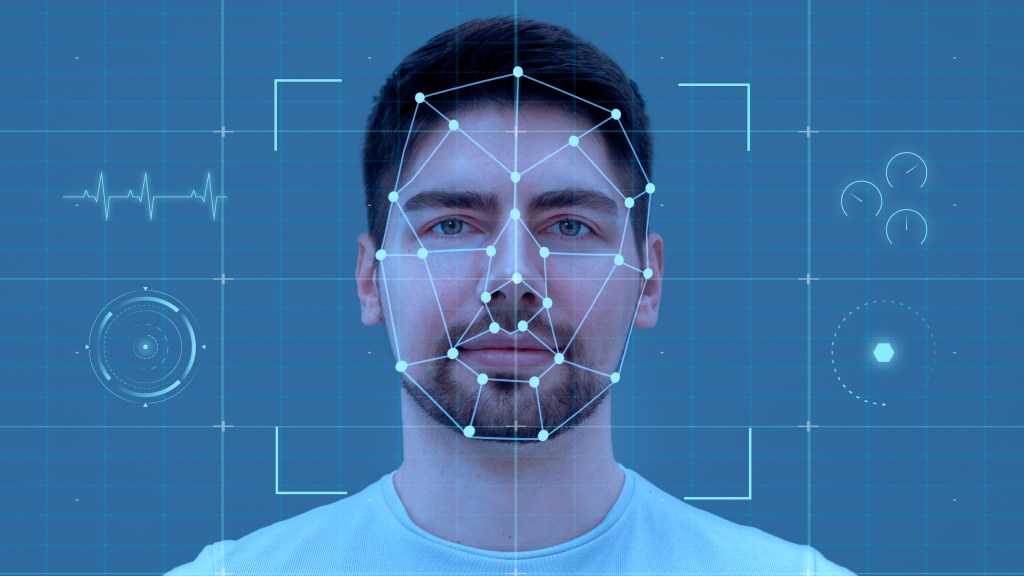
Civil liberties advocates, including the campaign group Big Brother Watch, have criticised these developments as “dangerous authoritarian surveillance,” posing a serious threat to privacy in the UK
Police in England and Wales are being urged to significantly increase their use of facial recognition technology, with a target of exceeding 200,000 searches against the police national database by May. Policing Minister Chris Philp is encouraging the wider deployment of live facial recognition (LFR) cameras, asserting that these advancements will help law enforcement “stay one step ahead of criminals” and enhance public safety.
Essex police recently reported successful trials of LFR on high streets, resulting in three arrests, including one for suspicion of rape. However, civil liberties advocates, including the campaign group Big Brother Watch, have criticised these developments as “dangerous authoritarian surveillance,” posing a serious threat to privacy in the UK.
Philp’s plans also include making UK passport photos searchable by the police by integrating data from the police national database, the Passport Office, and other national databases. Critics argue that this move, along with the widespread use of facial recognition technology, could lead to a severe encroachment to privacy of masses and a gross violation of British principles.
In response to these concerns, a cross-party group of MPs and peers has called for an immediate halt to the use of live facial recognition surveillance by both police and private companies. Former Brexit secretary David Davis, Liberal Democrat leader Sir Ed Davey, Green MP Caroline Lucas, and others have expressed their support for the cessation of live facial recognition use, labelling it as suspicion-less mass surveillance.
The Home Office, however, dismisses these concerns, stating that facial recognition technology adheres to data protection, equality, and human rights laws. Officials argue that such technology can assist law enforcement in accurately identifying individuals wanted for serious crimes and finding missing persons. The Home Office contends that AI surveillance methods, including facial recognition, can potentially free up police resources, allowing more officers to be present in communities.
Despite these assurances, there is growing opposition to the unregulated use of facial recognition technology. MPs and some senior officials, along with organisations such as Big Brother Watch, Liberty, Amnesty International, and the Race Equality Foundation, have voiced their concerns, emphasising the need for careful regulation to prevent potential hazards to humanity. As the debate intensifies, the EU is considering a proposed ban on live facial recognition technology.