


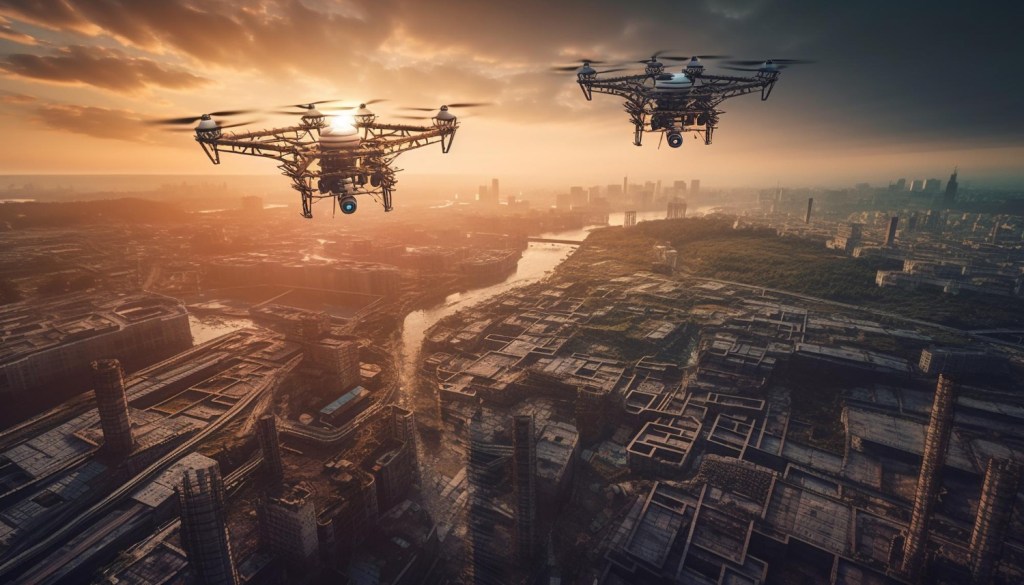
Each drone, valued at around Rs 30 lakh , is equipped with high-definition zoom cameras, night-vision systems, and artificial intelligence-based tracking tools
Delhi Police is set to deploy 32 high-tech surveillance drones across its 15 police districts and specialised units, including the traffic wing, in a significant boost to its monitoring and emergency response capabilities.
Each drone, valued at around Rs 30 lakh , is equipped with high-definition zoom cameras, night-vision systems, and artificial intelligence-based tracking tools capable of following moving objects in real-time. Senior officials say the initiative marks the beginning of a broader plan to induct over 100 unmanned aerial vehicles (UAVs) into police operations in the coming years.
“This is just the beginning. The drones will be a key tool in both routine policing and high-risk situations,” said a senior officer, speaking on condition of anonymity.
The UAVs will be used to monitor sensitive areas, manage crowds during protests or public events, and support disaster response and emergency services. Designated officers will receive operational and safety training from the supplier to ensure the technology is handled professionally, the official added.
Drone surveillance is not new to Delhi Police, which first used UAVs in 2014 during the Trilokpuri unrest. Since then, drones have played a vital role in law enforcement during major incidents, including the 2020-21 farmers’ protests on Delhi’s borders, enforcement of Covid-19 lockdowns, and during the 2020 northeast Delhi riots, when aerial views helped police navigate narrow lanes and monitor unrest in real time.
However, the growing reliance on drones also brings new risks. Senior officials have raised concerns over the increasing threat of unauthorised or malicious drone activity in urban airspace.
“Urban airspace now sees significantly more drone activity, which raises the threat of rogue drones,” said another officer. “To counter this, anti-drone or counter-UAV (C-UAS) systems are essential.”
Such systems are designed to detect and neutralise unauthorised drones using radar, radio frequency (RF) sensors, and electro-optical or infrared (EO/IR) surveillance. Countermeasures include signal jamming, GPS spoofing, and physical neutralisation using nets or directed energy weapons.
Officials noted that anti-drone technologies are particularly important for protecting critical infrastructure such as airports, power stations, and military installations, as well as for securing large public gatherings.
“With drones becoming cheaper and more accessible, law enforcement agencies must balance expansion in drone use with a robust strategy to defend against misuse,” the officer added.