


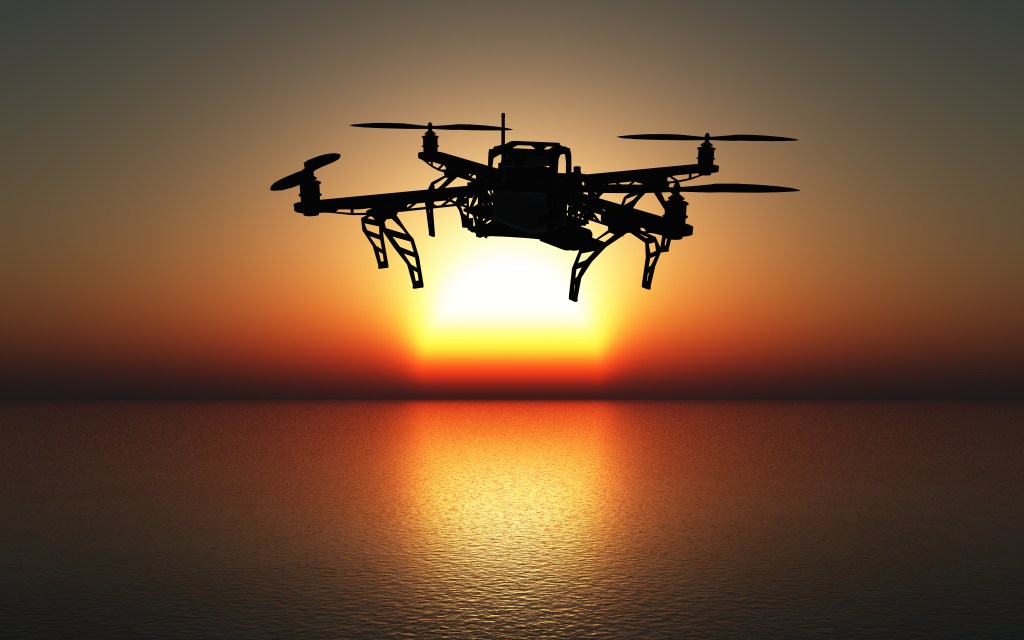
This initiative follows a broader trend among Indian defence and logistics hubs in adopting counter-drone technology
In a move to bolster maritime security along India’s western coast, the Deendayal Port Authority has announced plans to deploy an advanced anti-drone surveillance and neutralisation system at Gujarat’s busiest port, Kandla.
Situated near the border with Pakistan, the port has become a focal point for critical infrastructure protection. The new system aims to detect, track and neutralise unauthorised or potentially hostile drones approaching sensitive maritime installations. While specific technical details have not been released, such systems typically combine radar detection, radio-frequency jamming, GPS spoofing and directed counter-measures, offering a layered defence against aerial threats.
This initiative follows a broader trend among Indian defence and logistics hubs in adopting counter-drone technology. Notably, Hyderabad-based Grene Robotics has rolled out Indrajaal Infra, an AI-driven wide-area drone-defence system already deployed at a naval port in Gujarat during recent border tensions and now expanding to India’s largest naval port in Karnataka.
The Kandla Port project underscores growing concerns over drone-borne threats, particularly from adversarial states and non-state actors. Ports, refineries, power grids and other vital installations are increasingly equipped with autonomous counter-drone capabilities to safeguard against incursions, espionage and potential sabotage.
As these systems become more widespread, they signal India’s evolving approach to maritime and infrastructure security: one that emphasises technological vigilance alongside traditional defence mechanisms.