Why hospital security isn’t just about protection, but enabling healing
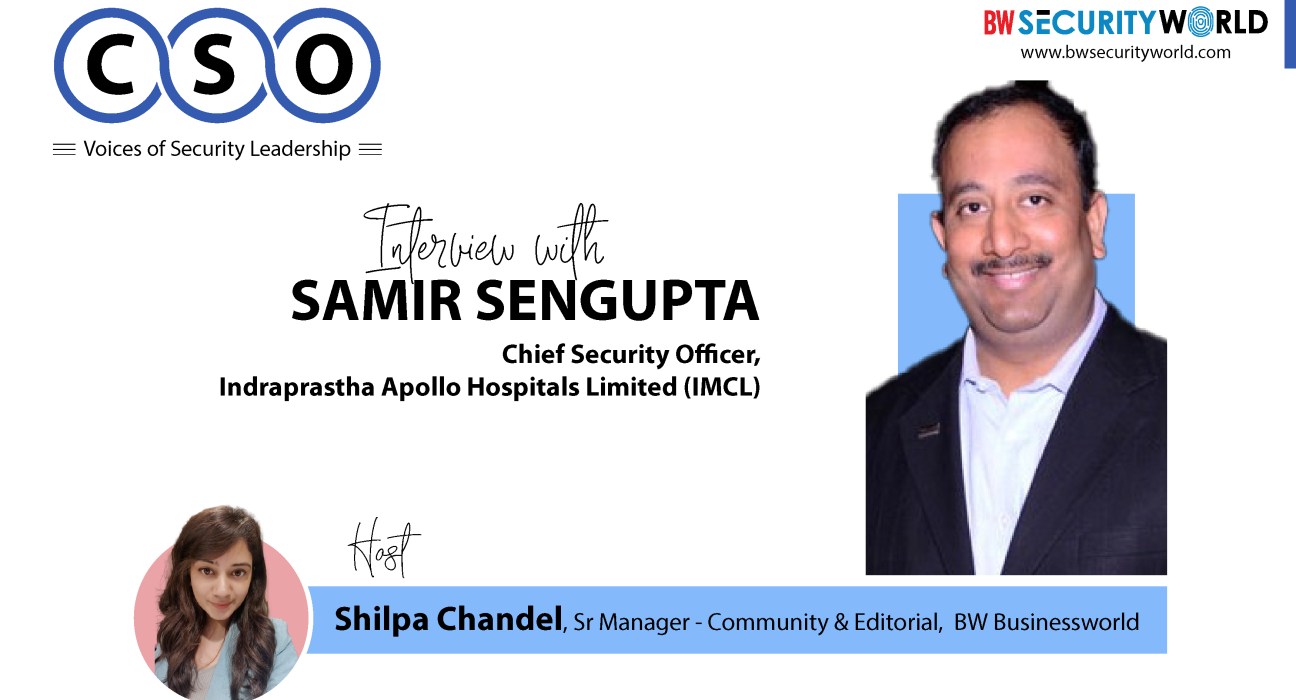
In the fast-paced, emotionally charged world of healthcare, security is no longer confined to gates, guards, or gadgets. It’s about creating an environment where doctors can focus, patients can heal, and families can trust they’re safe. Few understand this better than Samir Sengupta, Chief Security Officer at Indraprastha Apollo Hospitals Limited (IMCL).
With over 28 years in hospitality and healthcare security, Sengupta’s approach blends risk intelligence, empathy, and technological foresight. In this exclusive interview with BW Security World, he opens up about lessons from COVID-19, the underestimated threats within hospital walls, and how Indian healthcare is gearing up for a security revolution.
“In a hospital, every second counts—and so does every decision.” How does your role as CSO go beyond protection to enable uninterrupted patient care?
As CSO, my role stretches well beyond guarding doors. I see security as the backbone of uninterrupted care. Our approach spans physical security, cybersecurity, and operational resilience.
We secure critical infrastructure, operating theatres, pharmacies, data centers—using both tech and trained personnel. Cybersecurity safeguards patient data, which is crucial for diagnosis and treatment. But security isn’t just about systems, it’s about continuity. So we have incident response plans, business continuity strategies, and regular drills across departments.
Most importantly, we focus on culture. A security-aware staff is the first line of defense. When systems and people work in sync, healthcare professionals can focus on saving lives—without disruptions.
What’s the most underestimated security threat in hospitals today?
Without a doubt: insider threats from human error.
While cyberattacks or theft get the spotlight, it’s everyday mistakes—unintentional or negligent, that often create the biggest risks. Hospitals are buzzing ecosystems with staff, patients, contractors, and visitors. Every one of them interacts with sensitive areas or data.
The solution isn’t just stricter tech, it’s smarter people. Regular training, strong culture, clear protocols, and proactive monitoring are key. Also, systems need to be user-friendly so staff aren’t tempted to take shortcuts. Security only works when it’s respected, not resented.
“In healthcare, technology must protect, but never disrupt.” How do you strike that balance?
We follow a “patient-first” philosophy. Security should feel like support, not surveillance.
Surveillance systems use intelligent analytics to spot threats in public or high-risk zones—never in patient rooms. Access control is discreet: badge credentials for staff, smart check-in kiosks for visitors, biometrics only in high-security areas. Everything feeds into an integrated dashboard for real-time decision-making.
The idea is to be invisible but effective, seamless security that protects without adding stress to an already emotional environment.
Looking back at the COVID-19 crisis, what leadership lessons stayed with you?
Three core lessons:
● Communicate with empathy. Clear, honest updates—even when there were no answers, it helped build trust.
● Empower the frontlines. We had to let teams make fast decisions on the ground.
● Plan for the unimaginable. The crisis redefined what “prepared” means. We pivoted daily, whether it was reworking hospital entry points, managing vaccine queues, or securing oxygen supplies.
Most importantly, COVID taught us that resilience isn’t about having rigid plans, it’s about adapting quickly, with heart and humanity.
What does the future of hospital security in India look like?
A smart blend of technology, integration, and community trust.
● AI-powered surveillance, IoMT protection, and cyber-physical convergence will rise.
● Security Operations Centres (SOCs) will centralize controls for faster response.
● Community involvement; staff training, public awareness, and de-escalation skills will continue to be vital.
Security won’t just defend the building, it will enable the system to work smoothly, safely, and empathetically.
What’s one leadership lesson healthcare security has taught you that no textbook can?
That true security starts with empathy.
Textbooks teach systems and protocols. But in a hospital, you’re protecting a space where people are at their most vulnerable. Families are desperate, patients are scared, and staff are stretched.
I’ve learned to balance firmness with compassion. A grieving family member pushing boundaries isn’t just a policy breach, it’s a cry for help. Security leaders need emotional intelligence to read between the lines, respond calmly, and build trust. That’s when people stop seeing security as control, and start seeing it as care.
About the Interviewee
Samir Sengupta is the Chief Security Officer at Indraprastha Apollo Hospitals Limited (IMCL), overseeing security operations across Delhi, Noida, and Gurugram for three hospitals and seven hostels, with a workforce of over 230 security personnel. A certified anti-terror specialist and recognized as one of India’s Top 50 CSOs, Sengupta brings over 28 years of experience across hospitality and healthcare sectors. His past roles span top hotel chains like Hyatt, Taj, and IHG, and he has worked with global security agencies including those of the US, UK, Israel, and France. Known for grooming future leaders in security, Sengupta combines operational expertise with a deep focus on training, resilience, and human-centered protection strategies.
Disclaimer: Views expressed are in individual capacity and do not reflect those of the employer.