


A newly created Office of Aviation Security Oversight, housed within the Federal Aviation Administration (FAA), would assume responsibility for monitoring and regulating the privatised screening operations
A group of Republican senators, led by Senator Mike Lee (R-Utah) and Senator Tommy Tuberville (R-Alabama), has introduced a bill proposing the abolition of the Transportation Security Administration (TSA). The legislation, if passed, would phase out the TSA over three years and replace it with a privatised security screening system overseen by a new federal body.
According to a report by Fox News, the proposal stems from long-standing criticisms of the TSA’s effectiveness and operational practices. The senators argue that the agency has consistently failed in its primary mission of detecting weapons and explosives, while also infringing on the privacy of American travellers.
“The TSA has not only intruded into the privacy and personal space of most Americans, it has also repeatedly failed tests to find weapons and explosives,” Senator Lee said. “Our bill privatizes security functions at American airports under the eye of an Office of Aviation Security Oversight, bringing this bureaucratic behemoth to a welcome end.”
Under the proposed legislation, the TSA would be dismantled within three years of the bill’s enactment. During this transitional period, the Secretaries of Homeland Security and Transportation would be tasked with developing a reorganisation plan, which would then be submitted to Congress for approval.
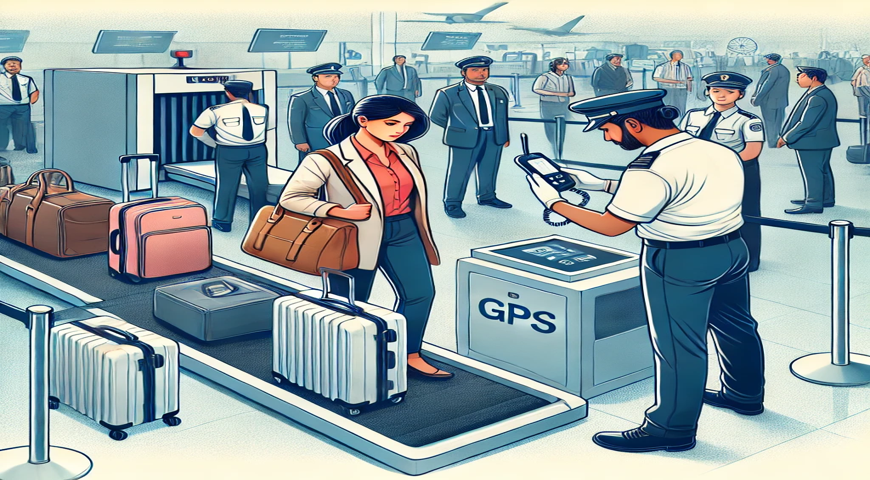
A newly created Office of Aviation Security Oversight, housed within the Federal Aviation Administration (FAA), would assume responsibility for monitoring and regulating the privatised screening operations. Notably, the legislation mandates that private security personnel would not be permitted to conduct warrantless searches or mirror controversial TSA policies.
Senator Tuberville supported the bill, describing the TSA as an “inefficient, bureaucratic mess.” He added: “It’s a bloated agency—riddled with waste, fraud, and abuse of taxpayer dollars—that has led to unnecessary delays, invasive pat downs and bag checks, and frustration for travellers.”
The bill is part of a broader push by Republican lawmakers to scale back what they view as an overgrown federal bureaucracy. It also aligns with the ongoing efforts of the Department of Government Efficiency (DOGE), which has been working to streamline federal agencies and reduce administrative redundancies.
However, the legislation faces significant political hurdles. With Republicans holding a narrow 53-seat majority in the Senate, they would still need at least seven Democratic votes to overcome a filibuster and move the bill forward. Democratic lawmakers have traditionally been sceptical of proposals to privatise key government functions, particularly those related to national security.
Critics of the bill argue that privatising airport security could compromise safety standards and create inconsistencies across the country. Supporters, meanwhile, maintain that increased competition and oversight could improve efficiency and customer service, while preserving safety through strict regulation.
The debate comes at a time when air travel is recovering post-pandemic, with millions of passengers passing through airport checkpoints each week. Whether this controversial proposal gains traction remains to be seen, but it has already reignited discussions about the role and performance of the TSA in modern aviation security.