


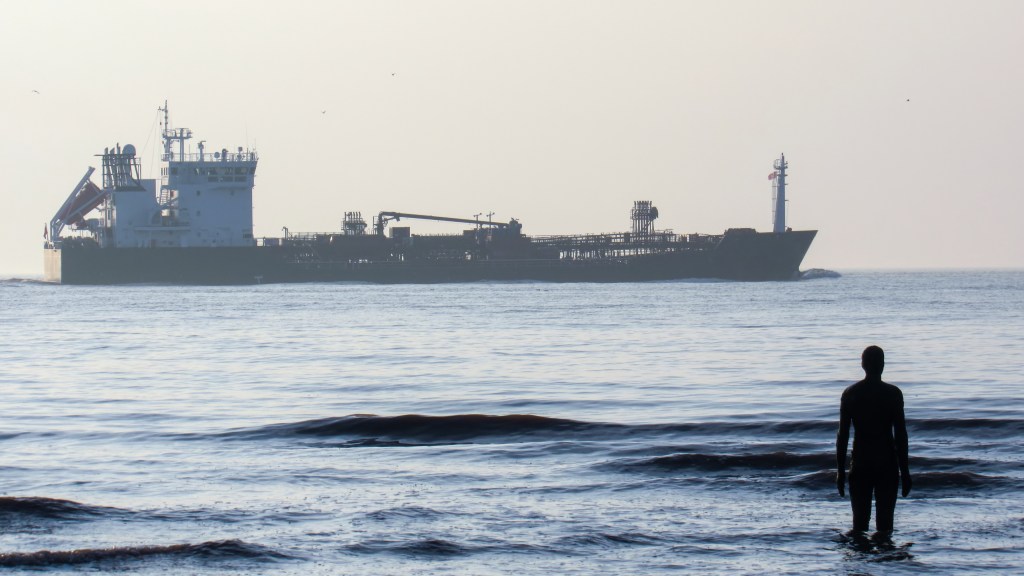
The UN officials were in Cyprus for a nine-day visit to evaluate the role of private maritime security companies protecting Cyprus-flagged vessels
Terrorism and the emergence of weaponised drones targeting merchant shipping have surpassed piracy as the primary concern for maritime security, according to United Nations officials. On Friday, the UN called on private maritime security companies to adopt advanced countermeasures while adhering to international legal standards.
Jovana Jezdimirovic Ranito and Michelle Small, members of the UN Working Group on the Use of Mercenaries, emphasised that companies hired to protect ships navigating high-risk areas such as the Red Sea, the West Indian Ocean, and the Gulf of Aden must assess and deploy appropriate defence strategies.
“Threats are not always consistent, so they peak, ebb and flow, but you also have the rise of new ones,” Small told The Associated Press. “Terrorism is more of a concern for the use of new technologies in the maritime context.”
Private Security Companies Under Scrutiny
The UN officials were in Cyprus for a nine-day visit to evaluate the role of private maritime security companies protecting Cyprus-flagged vessels. Cyprus, with the 11th largest merchant fleet globally and the third largest in Europe, manages over 2,200 ocean-going ships weighing a combined 21 million gross tons. Approximately 4 per cent of the world’s fleet is managed by Cyprus-based firms.
Currently, 12 private maritime security companies are authorised by Cyprus to deploy armed personnel aboard Cyprus-flagged ships. The officials praised the country’s stringent certification processes.
“They go a bit beyond what is just the minimum standard we would expect,” Ranito said. “We can really commend the efforts of the shipping deputy ministry on working on the extensive vetting process. They really invest a lot of effort in it.”
Although the total number of security personnel employed by these companies remains unclear, the UN team noted that they come from a variety of nationalities, with no Cypriot nationals among them.
Strong Legal Framework
The officials acknowledged the robust regulatory framework in Cyprus, including a 2012 law safeguarding Cyprus-flagged ships from piracy and other unlawful acts. This legislation has become a model for other flag states.
They noted the absence of “major incidents or violations” involving private security personnel on Cyprus-flagged vessels, attributing this to the government’s rigorous standards. However, they recommended establishing more accessible complaint and grievance mechanisms for sailors, private contractors, and other maritime workers to further bolster accountability and address potential human rights concerns.
The experts’ final report on their findings in Cyprus will be released later this year.
Evolving Maritime Security Landscape
The increasing use of advanced technologies by hostile actors has heightened the security challenges for the global maritime industry. The need for enhanced surveillance, defensive strategies, and international cooperation remains critical to ensure the safe passage of merchant ships through high-risk sea lanes.