


TIS combines bespoke engineering design, proprietary product innovation and rapid implementation, allowing for tailored solutions even in challenging environments
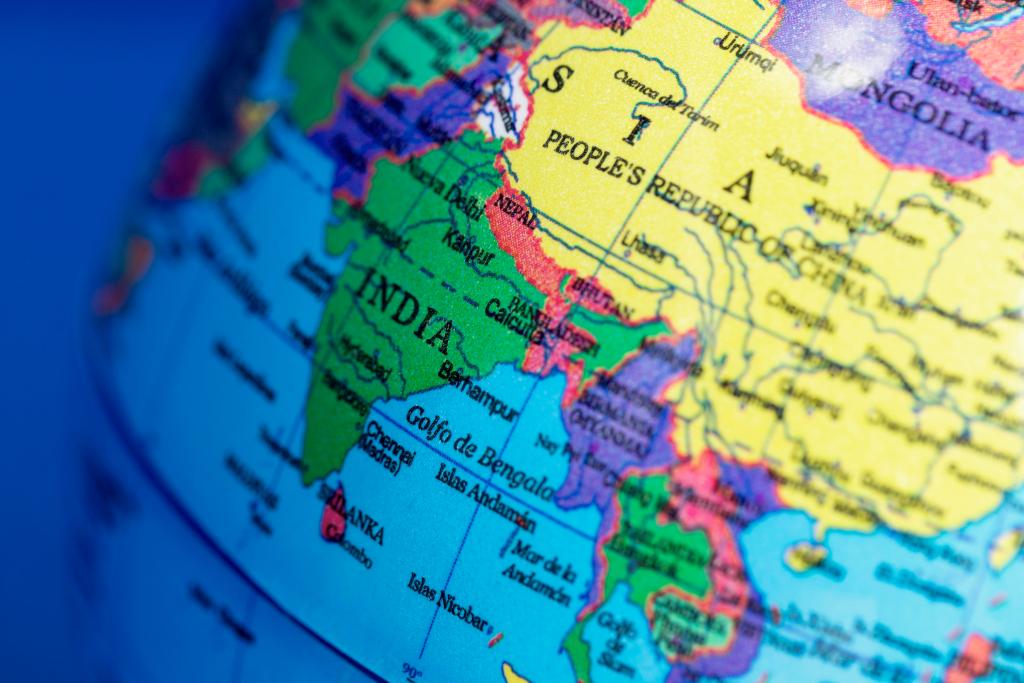
Ankara-based engineering firm TIS, recognised globally for its cutting-edge seismic isolation systems, is setting its sights on India as the country grapples with heightened seismic risk and the need for infrastructure resilience. With a successful footprint in quake-prone regions such as Türkiye, Chile, Taiwan and Italy, TIS is seeking to partner with Indian stakeholders to introduce its proven technologies to one of the world’s most earthquake-exposed nations.
Founded in 2012 and commercially active since 2017, TIS has earned a reputation for delivering integrated seismic protection solutions. Its systems—particularly the friction pendulum isolators—are designed to keep critical infrastructure operational during major seismic events. The firm rose to international prominence during the February 2023 Türkiye earthquakes, when eight of its protected hospitals and public buildings remained fully functional despite twin tremors of 7.6 and 7.5 magnitude.
“India, like Türkiye, sits atop a volatile fault system,” said Uğurcan Özçamur, General Manager of TIS. “The time is right to bring our project-based engineering approach and seismic isolation systems to support India’s infrastructure resilience.”
TIS combines bespoke engineering design, proprietary product innovation and rapid implementation, allowing for tailored solutions even in challenging environments. In Chile, for instance, the company delivered a full-scale seismic isolation solution for modular data centres constructed from lightweight steel, completing the project in just three months. Six such projects are already operational across Latin America, underscoring TIS’s adaptability and speed.
Now, the company is actively exploring partnerships in India, where interest in earthquake safety has surged following the April 2024 Myanmar quake, which was felt across northeastern states. India’s seismic vulnerability is well documented—from the catastrophic Gujarat earthquake in 2001 to more recent tremors in Himachal Pradesh and Delhi—raising alarm about the nation’s readiness to protect critical assets.
Özçamur underlined TIS’s collaborative intent: “In every country, we begin by understanding local challenges. We don’t bring a one-size-fits-all approach. In India, we aim to work closely with architects, developers and government agencies to co-create lasting resilience.”
Though TIS has yet to break ground on Indian soil, it positions itself not merely as an equipment supplier but as a long-term technical ally to public and private sector clients alike. With urbanisation intensifying in seismically active zones across the country, India presents a compelling new frontier for earthquake protection—one that TIS appears ready to help shape.