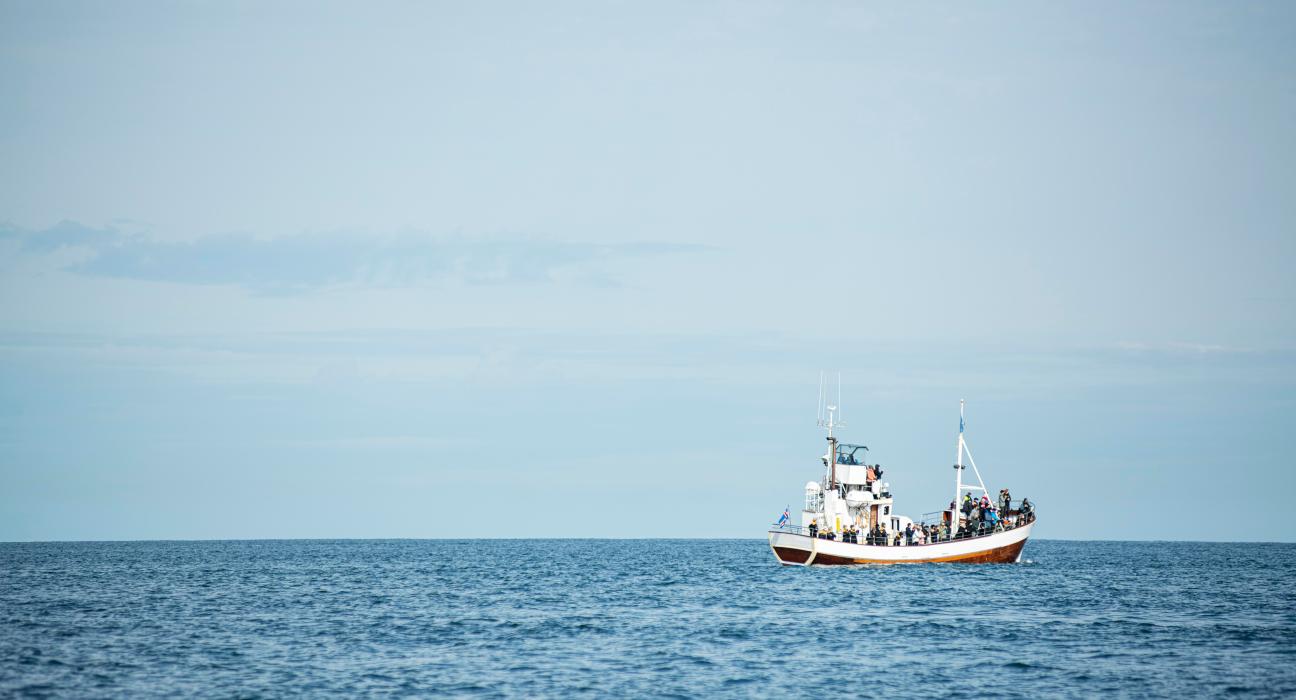
INS Kochi and INS Kolkata are patrolling the high seas off the coast of Aden as part of maritime security and anti-piracy operations
India has deployed two of its most advanced guided-missile destroyers – INS Kolkata and INS Kochi – off the Somali coast near the Gulf of Aden in northern Arabian Sea, as per reports on Tuesday. This comes at a time when the Houthi rebels in Yemen have imposed a ban on all Israel-linked ships sailing in the Red Sea and Somali pirates hijacked a Malta-registered cargo ship named MV Ruen.
As India Sentinels had reported then, and Indian Navy’s destroyer and a patrol aircraft tailed the merchant ship, they couldn’t manage to thwart the pirates’ attempt to divert the ship to the Somali coast. Ambrey, a UK-based maritime security company, said the merchant ship had reached very close to Bander Murcanyo in Puntland, Somalia on Sunday.
The U.S. has formed a multinational naval force to protect ships in the Red Sea from Iranian-backed Houthi militia. India has deployed two guided-missile destroyers near Aden for maritime security in the north Arabian Sea. INS Kochi is countering Somalian pirates at the Red Sea’s entrance, and INS Kolkata is reinforcing security off the Aden coast. The US-led coalition, including the UK, Bahrain, France, and Norway, announced Operation Prosperity Guardian to safeguard Red Sea traffic from Houthi missile and drone attacks.
The Houthis, supported by terrorist groups, pose a significant threat with helicopters, ballistic missiles, and drones, aiming to pressure the international community to halt Israel’s actions in Gaza. Meanwhile, Somalian pirates have captured the Malta-flagged tanker MV Ruen, aggravating maritime security concerns.
With China affecting South China Sea navigation and Iranian proxies causing instability, global trade routes face serious threats. A significant Houthi attack could impact oil flows, raising crude prices. The Red Sea plays a vital role, with up to 10% of global oil imports passing through annually. This situation heightens concerns about the freedom of navigation in the Indo-Pacific and underscores the need for coordinated efforts to ensure global maritime security. The complex scenario highlights the delicate balance needed to navigate geopolitical tensions and safeguard crucial sea lanes.
Modi And Netanyahu Discussed Maritime Security
Prime Minister Narendra Modi engaged in a telephonic discussion with Israeli Prime Minister Benjamin Netanyahu on Tuesday, addressing the ongoing Israel-Hamas conflict and expressing apprehensions regarding the safety of maritime traffic in the Red Sea. During the conversation, PM Modi reiterated India’s steadfast commitment to seeking a peaceful resolution in the Middle East and assured continuous humanitarian aid for those adversely affected by the conflict.
Taking to Twitter, PM Modi shared insights about the discussion, stating, “Had a productive exchange of views with PM Netanyahu on the ongoing Israel-Hamas conflict, including shared concerns on the safety of maritime traffic. Highlighted India’s consistent stand in favour of the early restoration of peace & stability in the region with continued humanitarian assistance for the affected.”
The Israeli Prime Minister’s office also provided commentary on the conversation, emphasising the critical importance of safeguarding free shipping in the Bab el-Mandeb Strait. They underscored the perceived threat posed by the Houthis, allegedly supported by Iran, and highlighted the global interest in preventing any disruptions to international trade. This was particularly crucial for the economies of both Israel and India, as reported by The Times of Israel.
Meanwhile, amid the diplomatic discussions, the Hamas-run health ministry in Gaza reported a staggering toll, with at least 19,667 Palestinians losing their lives in the Israel-Hamas conflict in the Strip since October 7. The elevated casualty figures emphasise the urgency of finding a resolution to the conflict to prevent further human suffering and instability in the region.