The decision to enhance surveillance comes after Wang Xing’s dramatic rescue from a scam centre in Myanmar on January 7
In a bid to bolster security at key tourist destinations, Thailand is introducing a smart city surveillance system powered by artificial intelligence (AI). The advanced system, which integrates AI-driven video analytics with international databases for facial recognition and wanted persons, aims to reassure tourists following recent safety concerns, including the high-profile kidnapping of Chinese actor Wang Xing in Bangkok.
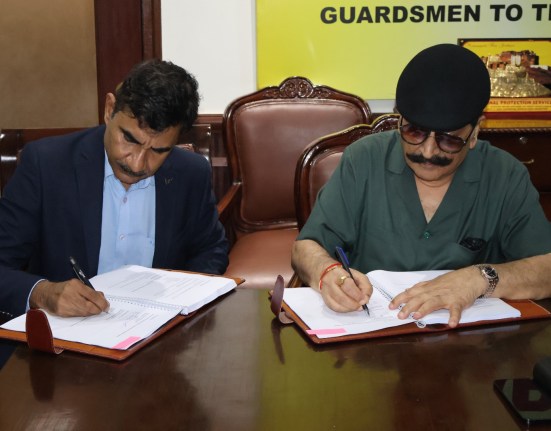
The Royal Thai Tourist Police recently signed a five-year partnership agreement with the UK-based Gorilla Technology Group to implement the new system. The initiative will also track vehicle licence plates to strengthen cross-border security and monitor crowd density to optimise police deployments.
Enhanced Threat Detection
The AI solution is expected to build on previous pilot programmes, with a phased rollout planned across major tourist hubs over the next five years. According to Gorilla Technology, their algorithms achieve 98 per cent accuracy in detecting potential threats.
“Our IVAR systems are being enhanced to process vast amounts of live video feeds daily, integrating real-time analytics with global databases to ensure proactive threat identification and response,” said Viraphan Paiboolsilp, a technology specialist at Gorilla.
The system’s core component, the Intelligent Video Analytics Recorder (IVAR), analyses CCTV footage to identify people, vehicles, and objects while detecting suspicious activities.
Tourism Safety in Focus
The decision to enhance surveillance comes after Wang Xing’s dramatic rescue from a scam centre in Myanmar on January 7, just days after he was reported missing in Bangkok. The incident highlighted rising concerns about human trafficking and online scam operations in the Mekong region.
The incident has impacted Chinese tourist reservations for Thailand, prompting Prime Minister Paetongtarn Shinawatra to take swift action. In a recent AI-generated video message in Mandarin, Shinawatra assured Chinese tourists that Thailand is strengthening safety measures and cracking down on transnational crime. The Prime Minister noted in the video that the speech was AI-generated as she does not speak Mandarin.
Expansion Plans & Economic Impact
Gorilla Technology announced that the surveillance project has moved into the design and development phase, with plans to scale operations in Thailand over the next year. The firm is set to hire over 100 new team members to support the project, which is backed by the British government.
Mike Wang, Gorilla’s Sales Director for Thailand and Rest of Asia, highlighted the significant market potential of the initiative. “By integrating global data-sharing capabilities with our AI systems, we are ensuring that Thailand’s tourism safety framework sets a benchmark not just regionally but globally,” he said. Wang noted that the company sees business opportunities exceeding USD 1 billion in Thailand alone.
As Thailand seeks to rebuild confidence among international tourists, the deployment of advanced AI surveillance technology underscores its commitment to ensuring public safety and maintaining its position as a premier travel destination.