France, Germany, and the Netherlands remain supportive of the system’s goals, they emphasise the need for a phased approach to avoid major disruptions
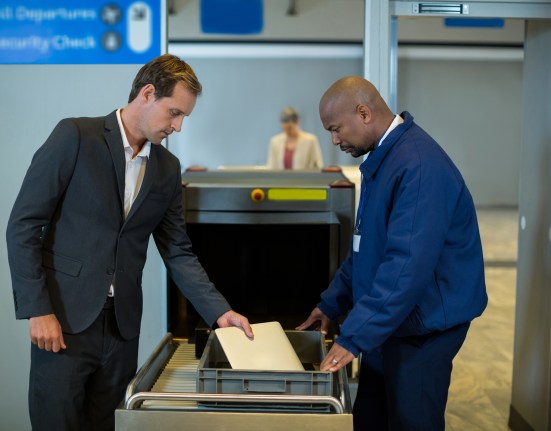
The introduction of a new EU entry-exit system (EES) designed to streamline border checks with fingerprinting and facial recognition technology is facing yet another potential delay, raising concerns over congestion and long queues at key European ports and airports. The system, aimed at improving security and speeding up passport checks for non-EU citizens, was initially scheduled to launch last year but has encountered several postponements. It is now expected to be delayed again, despite earlier reassurances from EU officials.
Ylva Johansson, the EU’s home affairs commissioner, had recently announced that the EES would go live on 10 November, with the possibility of a slight delay until 17 November. However, behind the scenes, several key member states have voiced their concerns, questioning whether the system is ready for full implementation. France, Germany, and the Netherlands, three of the EU’s largest and busiest countries, have informed the commissioner that they will not be able to meet the November deadline due to a lack of field testing.
According to sources, the UK government has also briefed transport operators about an anticipated delay, further casting doubt on whether the EES will roll out as planned. The system, which requires non-EU travelers to provide biometric data, has already been postponed twice—once due to the impact of the Rugby World Cup and again to avoid disruptions during the summer holiday season.
France, a strong proponent of the system in terms of security benefits, is particularly worried about the potential for massive congestion at key entry points, like Dover, where British and French border controls overlap. Local officials in Kent have warned that delays could reach up to 14 hours in a worst-case scenario, affecting both freight and passenger traffic.
“The problem is the testing has been desktop. We need live testing,” a source in France stated. The concern is that, without real-world testing, the rollout could lead to significant delays and operational challenges, especially during peak traffic periods.
Germany has raised concerns about the impact of the EES on its smaller airports, such as Cologne and Munich, while the Netherlands faces similar challenges at Schiphol, one of the busiest airports in Europe.
Although France, Germany, and the Netherlands remain supportive of the system’s goals, they emphasise the need for a phased approach to avoid major disruptions. “A ‘big bang’ option on 10 November is just not viable,” said a source in France, suggesting that the system should be gradually implemented over the course of a year.
The Port of Dover, one of the key entry points for traffic between the UK and mainland Europe, is bracing for potential delays, particularly in handling passenger cars. While checks on truck drivers are expected to be smoother—since most hold EU passports—managing over a million cars annually remains a significant challenge. The port has made preparations, including a new border control plaza for coach traffic, but the potential knock-on effects of delays remain a concern.
One UK source suggested a more flexible approach, proposing that ports like Dover be allowed to pause biometric checks temporarily if queues build up. “This is all about capacity to manage congestion,” the source explained.
Despite these concerns, it remains unclear whether the European Commission will push back the launch again. While officials are keen to stick to the announced November date, the practical challenges raised by France, Germany, and the Netherlands are difficult to ignore. “This is what happens when politics hits the real world,” said one source, reflecting on the tension between political commitments and operational readiness.
As the November deadline approaches, much will depend on how the EU navigates these concerns, balancing the need for enhanced security with the realities of managing congestion at some of Europe’s busiest ports and airports.