Countries in and around the Indian Ocean are increasingly becoming key stakeholders, with maritime security taking center stage
The Indian Ocean Region (IOR) has transformed from a “neglected ocean” into a critical zone in Asia’s shifting security landscape. Once overlooked in global geopolitics, it is now a vital theatre, attracting the attention of both regional powers and external players. This growing interest has brought new challenges, especially in terms of maritime security, piracy, and environmental threats.
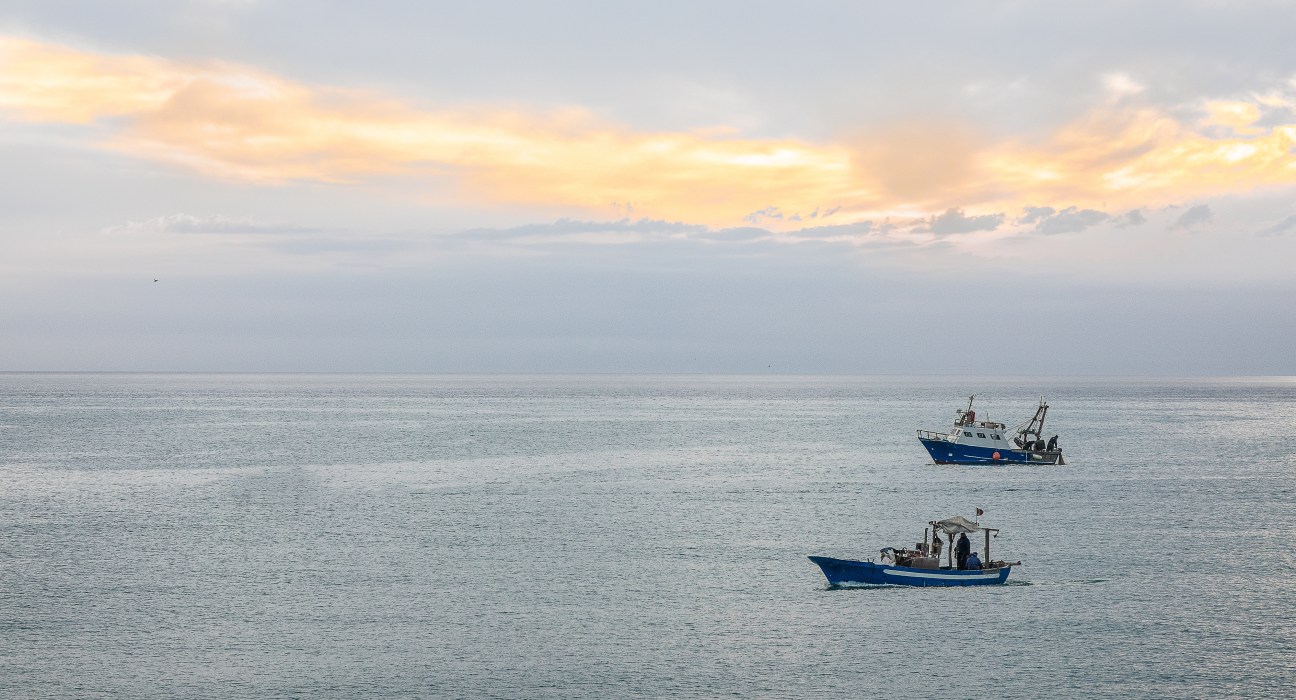
Countries in and around the Indian Ocean are increasingly becoming key stakeholders, with maritime security taking center stage. Regions such as the Bay of Bengal and the Western Indian Ocean are seeing a rise in non-traditional threats like maritime terrorism, piracy, and environmental challenges driven by natural disasters. These issues have underscored the need for stronger maritime cooperation to secure the Indian Ocean.
The “rise and return” of the Indo-Pacific has further positioned the Indian Ocean as a key sub-strategic theatre. As global powers view the Indo-Pacific as a unified strategic region, focusing on economy, trade, and connectivity, the Indian Ocean has gained importance even for countries without a direct presence. This growing attention comes from actors historically focused on the Pacific but now seeking opportunities in Indian Ocean trade routes.
However, the region’s security architecture remains fragmented due to several factors, including minimal synergy among key players, lack of political unity, and diverse challenges across various sub-regions. To build a cohesive maritime security structure, experts argue that the Indian Ocean must be viewed as a single political entity, with stronger institutional mechanisms like the Indian Ocean Rim Association (IORA) playing a crucial role.
Geopolitics Shaping Indian Ocean
Geopolitical dynamics are reshaping the Indian Ocean’s security landscape. Historically, the Indian Ocean was a crucial passage for European colonial expansion into Asia but lost its strategic significance after decolonization and during the Cold War. In the aftermath of the Cold War, a strategic vacuum emerged in the region due to a fragmented political landscape. However, the economic rise of India and China, coupled with the resurgence of piracy off Somalia’s coast in 2008, brought the Indian Ocean back into global focus.
The region’s significance has grown as small states leverage their geography to shape global power dynamics. Major resident powers such as India and Australia, alongside non-resident actors like the United States and China, are playing prominent roles in the Indian Ocean’s maritime security. Smaller island nations like Sri Lanka and Maldives are also gaining political influence due to their strategic locations, becoming important sites of competition among global powers.
Prabhakar Umratkar, a fire department official, highlighted the increasing complexity of the region’s security, noting, “Each vehicle will cost around ₹2.15 crore. A tender has been issued for the purchase, and the vehicles will be stationed at key locations.” The statement emphasizes the growing recognition of security needs in high-risk areas.
Key Stakeholders In Indian Ocean
India’s rise as a security actor in the Indian Ocean is rooted in its geographic position and growing naval capabilities. The region is critical for India’s core interests, including trade and resource extraction, and maintaining secure sea lines of communication (SLOCs). Over time, India has evolved into a “first responder” in the region, combating threats like piracy, maritime terrorism, and environmental challenges.
China, too, has expanded its influence in the Indian Ocean, driven by its growing economic and energy needs. The so-called “Malacca Dilemma,” a concern about potential blockades in the Strait of Malacca, has led China to establish a strategic and military presence in the region, raising concerns about the proliferation of Chinese bases.
The United States, historically focused on the Pacific, has also ramped up its engagement in the Indian Ocean in response to China’s growing influence. With initiatives like the Indian Ocean Strategic Review Act, 2024, the U.S. seeks to promote economic interests, secure freedom of navigation, and enhance partnerships with regional powers such as India, France, and Australia.
Australia, with the longest coastline in the Indian Ocean, has also deepened its engagement in the region as part of its Indo-Pacific strategy. However, its role remains limited by geography, focusing primarily on the eastern Indian Ocean.
Challenges To Unified Security Architecture
Despite growing cooperation, the Indian Ocean lacks a unified security architecture like those found in Europe (EU), Southeast Asia (ASEAN), or Africa (AU). The Indian Ocean Rim Association (IORA), established in 1997, remains the only pan-regional institution that promotes cooperation among Indian Ocean littoral states. Although IORA plays an important role in fostering regional consciousness, its influence is limited by the vast geographical expanse of the Indian Ocean.
As global powers continue to focus on the Indo-Pacific, the Indian Ocean will remain a key region for economic, political, and security cooperation. Addressing shared challenges and enhancing collaboration among regional and extra-regional actors will be crucial in securing the Indian Ocean’s future.