The city’s traffic woes have worsened over the years, with a 53% longer travel time due to congestion, resulting in an economic loss of INR 410 billion and 121 hours annually
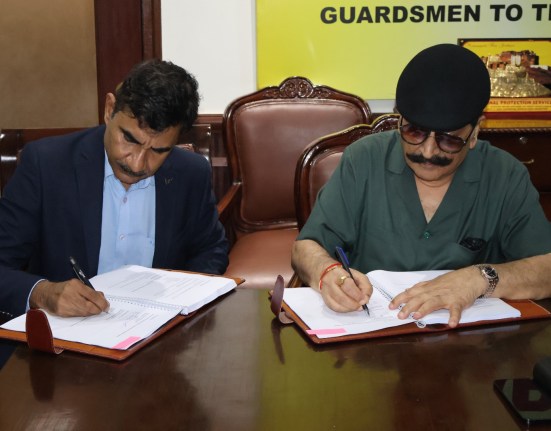
Facing a substantial 34% vacancy rate, the Mumbai Traffic Police have sought support from the Maharashtra Security Forces (MSF) to manage the city’s roadways efficiently. The shortage of personnel has resulted in unmanned critical intersections and roads, affecting traffic flow.
Responding to the plea from the traffic police, the state government has deployed 300 MSF personnel to regulate traffic in key areas across Mumbai. However, it’s important to note that these personnel have limitations in terms of powers; they lack authority to impose fines or confiscate vehicles for traffic violations. Their primary role is to regulate vehicle and pedestrian movement to ensure smoother traffic flow throughout the city.
M. Ramkumar, Additional Commissioner of Police (traffic), stated, “A total of 300 personnel have been brought in to ensure the free flow of traffic across the city, relieving the burden on the understaffed traffic police department.” He emphasised that the main purpose of deploying MSF personnel is to facilitate free traffic flow, and no additional powers have been granted to them.
Joint Commissioner of Police (traffic) Pravinkumar Padwal confirmed the deployment of MSF personnel in areas with significant traffic congestions and at entry points to highways. These areas are prone to congestion, and the personnel underwent a week of training on traffic management in Mumbai. Joint Commissioner of Police (traffic) Pravinkumar Padwal said, “The MSF personnel will be deployed in areas with maximum traffic congestions and at entry points to highways, which tend to be congested. The personnel were trained for a week on managing traffic in Mumbai.”
While this temporary measure is expected to ease the strain on the traffic police, it underscores the urgency of finding a long-term solution for effective traffic management in the city, as highlighted in the letter sent by the traffic police to the state government.
The Mumbai Traffic Police’s collaborative effort with the Maharashtra Security Forces aims to address immediate concerns and enhance traffic regulation. This strategic deployment reflects the commitment to ensuring smoother traffic operations in Mumbai.
Traffic Issue In Mumbai
Being a busiest and one of the congested city of the world Mumbai has been struggling with it’s traffic management since decades, grapples with persistent traffic congestion, ranking as the world’s fifth most congested city. The city’s traffic woes have worsened over the years, with a 53% longer travel time due to congestion, resulting in an economic loss of INR 410 billion and 121 hours annually.
Various factors contribute to Mumbai’s traffic challenges, including its linear geography surrounded by the Arabian Sea, limiting growth. With only two major highways, heavy vehicle density, and bottleneck areas, traffic congestion is a pressing issue. Public transport alternatives, like the suburban railway and municipal bus service, face challenges in handling the daily commute of millions.
Taking inspiration from Tokyo’s successful traffic management, Mumbai can explore solutions using real-time traffic data and technology. Tokyo’s Vehicle Information and Communication System (VICS) and Electronic Toll Collection (ETC) have significantly reduced congestion. Integrating technologies like Google Maps with Mumbai’s traffic management devices could enhance traffic flow.
As Mumbai anticipates the Mumbai Coastal Road Project’s completion in 2023, aimed at improving connectivity, induced demand poses a future challenge. While enhancing road conditions is crucial, reducing the number of vehicles through well-established public transport, robust walkways, and last-mile connectivity is vital for sustained improvement.
In conclusion, Mumbai can learn from Tokyo’s traffic model by integrating technology for real-time traffic management, thereby offering a promising solution to alleviate its congestion challenges and enhance overall traffic flow in the city.