

One Year After the Red Fort Blast, Delhi Police Keep Watch With AI Cameras, Dog Squads and Local Eyes
Delhi Police carried out intensive security checks around the Red Fort on Tuesday, a year to the day after a car bomb exploded near the monument, the Press Trust of India reported.
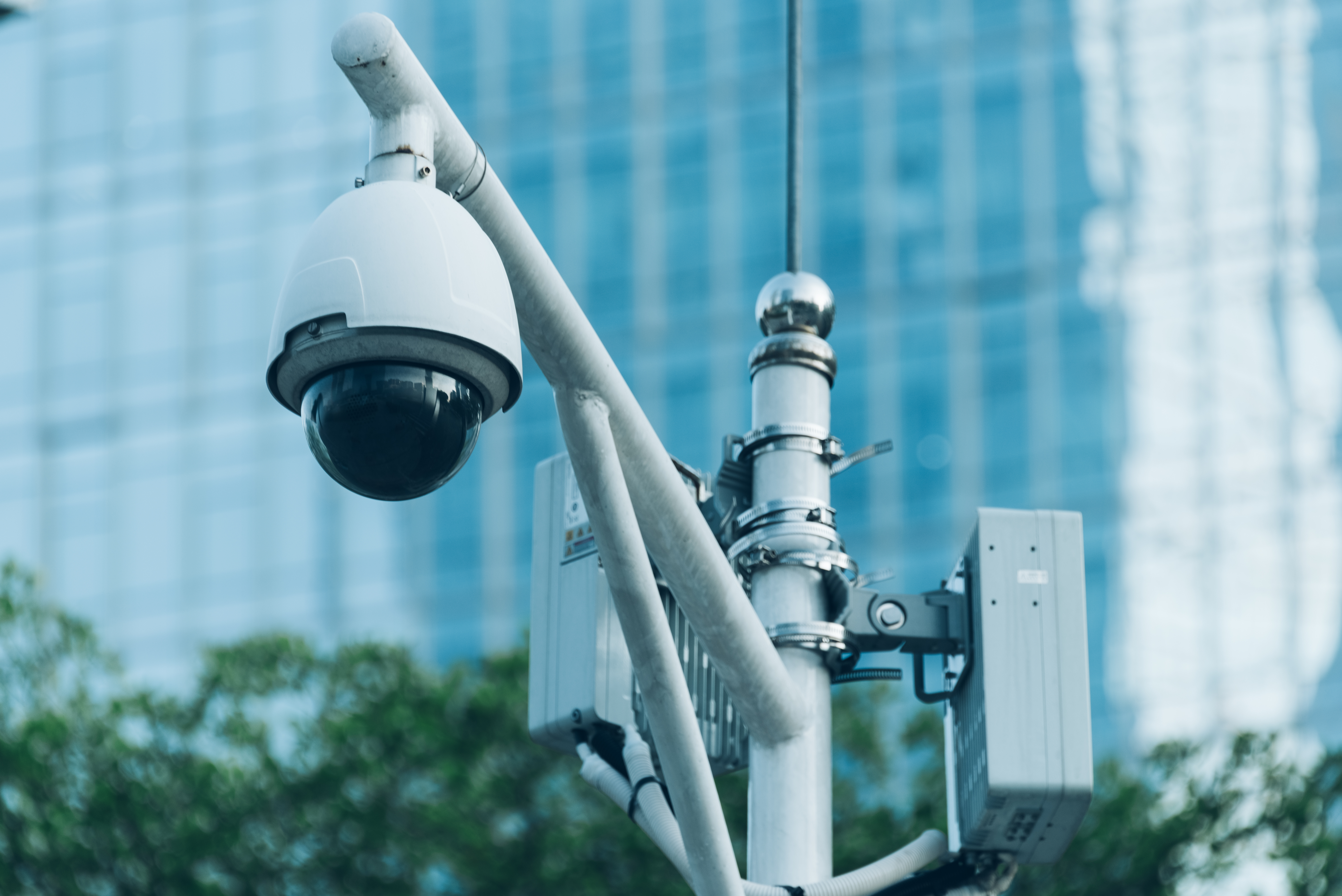
On the anniversary of the November 2025 attack, intensive checks around the monument show a security approach built on technology, routine inspection and neighbourhood cooperation
Delhi Police carried out intensive security checks around the Red Fort on Tuesday, a year to the day after a car bomb exploded near the monument, the Press Trust of India reported.
The arrangements combined technology with traditional methods: round-the-clock CCTV surveillance, AI-based facial recognition, anti-sabotage inspections, dog squads and bomb disposal teams. A senior police officer told PTI that coverage in the area has grown considerably since the attack. “Since the blast near the Red Fort, we have considerably increased the number of CCTV cameras. We keep the area under constant surveillance,” the officer said.
A vehicle fitted with AI-based facial recognition software is stationed near the Red Fort whenever a large gathering is expected, the officer added. Anti-sabotage checks and dog-squad sweeps are carried out regularly so that visitors can move around safely, and bomb disposal squads also visit the area as part of the enhanced measures.
The neighbourhood is part of the net
Much of the security effort now relies on people who work in the area. Police stay in regular contact with traders in Chandni Chowk, who have installed extra CCTV cameras of their own. Officers are also coordinating with other security agencies to safeguard the monument and its surroundings.
Parking areas are under watch too. Operators have deployed private guards who stay in touch with police and report any vehicle left standing for an unusually long time. Together, the measures aim to protect visitors and traders in one of Delhi’s busiest districts through surveillance, regular inspections and coordination among police, security agencies and local businesses.
A year on: what the blast set in motion
The attack took place on November 10, 2025, when an explosives-laden car detonated in a crowded area near the Red Fort Metro station. The National Investigation Agency described the incident as a suicide bombing, and the probe grew into a sprawling counterterrorism investigation spanning Jammu and Kashmir, Haryana, Uttar Pradesh and Delhi-NCR.
In the immediate aftermath, police stepped up vigilance across the capital. Around 50 drones were deployed over the Red Fort complex and adjoining lanes to capture real-time images of rooftops, abandoned structures and dense market stretches.
As the anniversary neared, PTI reported that central agencies had intensified vigilance nationwide. A year-long counterterrorism crackdown has led to more than 300 arrests and the deportation of 73 high-value fugitives from abroad, officials said. The same report described how the case exposed the so-called “Doctor Module”, a network involving highly qualified professionals, and prompted central intelligence agencies to frame a policy to prevent such attacks. The government has also tightened monitoring of ammonium nitrate and other materials that can be used in explosives, with periodic surprise checks.
Security experts see the anniversary as a continuing test for agencies. As one recent analysis put it, the question is whether better technology and coordination can move counterterrorism from responding quickly after an attack to detecting and disrupting a plot before it reaches a crowd.