The average cost for data recovery in India is reported to be $1.35 million, with 44 per cent of impacted computers being encrypted and 34 per cent of attacks involving data theft along with encryption
Ransomware attacks against Indian organisations have seen a decline this year, according to a study by cybersecurity solutions provider Sophos. The report, titled ‘State of Ransomware in India 2024’, reveals that the percentage of such attacks has dropped from 73 per cent to 64 per cent compared to last year. However, the impact on victims has become more severe, with increased ransom demands and recovery costs.
Based on a survey of 5,000 IT decision-makers across 14 countries, including 500 respondents in India, the findings reflect experiences collected between January and February 2024. Indian organisations seem to be more inclined to pay ransom demands (65 per cent) rather than relying on backups (52 per cent) to recover their data. On average, the ransom demand stands at $4.8 million, with a significant number exceeding $1 million.
The average cost for data recovery in India is reported to be $1.35 million, with 44 per cent of impacted computers being encrypted and 34 per cent of attacks involving data theft along with encryption. Despite these challenges, 61 per cent of victims managed to restore their data within a week, which is a slight increase from 2022.
Globally, the report indicates that only 24 per cent of ransom payers actually pay the originally requested amount, with 44 per cent paying less. On average, the ransom payment amounts to 94 per cent of the initial demand. Ransom funding typically comes from various sources, with organisations covering 40 percent and insurance providers covering 23 per cent.
The report emphasizes the importance of robust cybersecurity measures and proactive defense strategies to combat ransomware threats. Sophos recommends understanding an organisation’s risk profile, implementing endpoint protection solutions, enhancing defenses with threat detection capabilities, and developing an incident response plan.
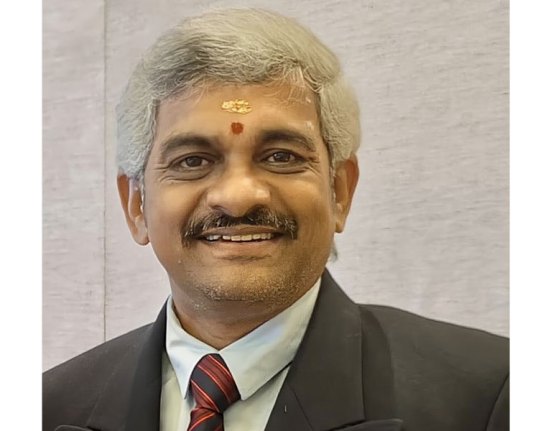
Sunil Sharma, vice president of sales in India at Sophos, highlighted the importance of prevention as the most cost-effective ransomware strategy. He emphasised the need for solid defence, cybersecurity measures with anti-ransomware capabilities, and comprehensive backup and recovery measures to mitigate the impact of such attacks.