The security profession is evolving from an intuition-based approach to a more deliberate and financially-informed practice
Security is definitely one of the oldest professions, dating to the beginning of life and the instinct to protect it. Security is an essential process that continuously changes and develops instead of being a simple product that can be created, bought, used, and replaced.
Corporate security has a variety of responsibilities, including risk assessment, measurement, and quantification. The security team is in charge of creating, implementing, and maintaining security measures. These measures are designed to identify trends, prevent incidents, and understand their impact on various business areas. A cycle of analysis and evaluation ensures that security measures remain relevant and up-to-date.
The security team works closely with the organisation, receiving feedback on mandates and funding. This creates a symbiotic relationship that strengthens the corporate security framework. However, the role of corporate security is often misunderstood within the corporate world. This is due to controversies, internal conflicts, and a lack of understanding about the value of security.
When it comes to security measures, organisations often prioritise establishing security functions and fostering a security-oriented culture. However, they may not fully recognise the commercial potential of their security investments. Security is commonly seen as a necessary expense rather than a value-adding component of business processes. Nevertheless, this perspective is slowly changing as businesses start to understand the wider benefits of security.
The security profession is evolving from an intuition-based approach to a more deliberate and financially informed practice. To optimise security investments, security professionals should be open to innovation, acquire new skills, and highlight the commercial advantages of security initiatives.
Key Points To Consider:
Highlight the commercial benefits of security: Showcase the potential advantages of security measures in terms of process optimisation, risk reduction and value creation.
Foster a culture of continuous improvement: Encourage a security-focused mindset that supports regular evaluation and adjustment of security measures.
Acquire new skills: Stay updated on industry trends, threats, and best practices. Develop new skills in areas like strategic planning, financial management, and communication.
Collaborate with other departments: Work closely with other business units to ensure a consistent understanding of security priorities and to maintain support for security initiatives.
Measure and demonstrate ROI: Develop metrics to assess the effectiveness of security investments and share these results with stakeholders. This will help illustrate the value of security initiatives and secure ongoing support for the security programme.
The current state of physical security is driven by economic instability and geopolitical disruption, steep increases in severe weather, lingering post-pandemic effects, and a security talent shortage. If we have to categorise the economic influencers according to speed of impact, severity of consequences, and time required to recover, security issues will be at the top of all three categories.
In today’s rapidly changing geopolitical climate, CEOs face unparalleled challenges as they navigate uncharted waters. The evolving geopolitical system requires constant vigilance and adaptability from CEOs. With its rapid pace and limited predictability, success depends on a CEO’s ability to proactively address these challenges.
To succeed in this environment, CEOs must prioritise geopolitical monitoring and response, taking a personal role in guiding their organisations through turbulent times. In this context, corporate security becomes an invaluable partner, providing professional support in understanding and navigating complex geopolitical landscapes. By working together, CEOs and corporate security can forge a path to success in an era of constant change.
Today’s threats often keep one foot on each side of the physical and digital divide. These blended threats require connecting data, building new capabilities, and gaining new insights to allow security teams to better defend against attacks. Unifying cyber and physical unlocks powerful new scenarios. Most physical security leaders agree that physical security needs to become predictive and are investing in technologies to deliver these capabilities. The convergence of physical and cyber, of people and things, all intersect at the digital transformation. Digital transformation will deliver significant non-financial benefits such as an enhanced employee experience, converged cyber and physical intelligence, and environments that are not only smart but also aware. As physical security organisations transform to harness the power of data, they must also make data protection and privacy a priority. Monitoring and analysing data is only half of the equation; intelligence must get connected with people who can act on it. New physical security models deliver faster response times at a lower cost, better security asset utilisation, and improved lifecycle management.
Security leaders can leverage these systems to create compelling insights that can be shared across the organisation to not only identify potential security vulnerabilities but also drive efficiencies, increase cost savings, and elevate customer trust by preserving privacy and security. An effective strategy will enable physical security to become the core intelligence platform of the organisation, transforming from a cost centre into a value hub. By harmonising both organisational and CSO objectives, companies can strengthen their enterprise security posture, implement processes necessary to address threats, and realise gains in both the bottom line and overall business efficiency.
In an era where digital transformation and global interconnectivity expose us to multifaceted risks, our approach to security must be equally multifaceted. It’s about more than just safeguarding assets; it’s about fortifying the foundation upon which our business aspirations rest. The fortification of corporate digital infrastructure, protection of sensitive data, and proactive risk management become not merely defensive measures but integral components of enterprise growth strategy. In the journey towards fortifying corporate security, tangible metrics that demonstrate the value of security investments play a pivotal role. These metrics extend beyond traditional security measures to showcase how security initiatives contribute directly to the organisation’s bottom line, resilience, and overall success.
In the ever-evolving landscape of corporate security, the current renaissance, intricately woven with the Internet of Things (IoT) and marked by AI integration, sets the stage for a future that promises unprecedented advancements, creating a unified security ecosystem where data from diverse sources converges to provide comprehensive situational awareness. This integration ensures that security measures are not isolated but part of a holistic strategy that leverages real-time data from various sources to make informed decisions.
The future lies in proactive security, where AI algorithms continuously learn, adapt, and predict potential threats. With machine learning algorithms analysing vast datasets in real-time, security is not just a partner in organisational success—it becomes an intelligent collaborator, identifying patterns, predicting risks, and evolving alongside the organisation’s objectives. By harmonising these objectives, companies can fortify their enterprise security posture with unparalleled efficiency. AI-driven technologies offer not only robust threat prevention but also the ability to adapt to and learn from emerging risks, creating a holistic security ecosystem that seamlessly integrates with organisationalprocesses.
The future demands security measures that can adapt to dynamic threats. AI-driven adaptive security solutions will dynamically respond to evolving risks, adjusting security protocols in real-time. This adaptive approach ensures that security is not a static concept but a living, breathing system that learns and evolves, staying one step ahead of potential threats.
The perception of security extends beyond the walls of any organization. Trust is the currency of modern business, and corporate security plays a pivotal role in its preservation. A secure environment directly influences how an enterprise is perceived in the eyes of our stakeholders—clients, investors, and the wider community. It not only instills confidence but also becomes a testament to leadership commitment to ethical practices and the well-being of those associated with the corporation. By safeguarding enterprise assets, companies create a secure environment conducive to innovation, collaboration, and sustained productivity. This, in turn, fosters an atmosphere that attracts top talent, enhances employee morale, and positions the corporation as an employer of choice. Security, therefore, becomes a strategic driver of enterprise-level human capital strategy, thereby driving organisational growth. Corporate physical security is also a critical component in mitigating financial risks. From theft prevention to protection against potential liabilities arising from security incidents, a robust security posture directly contributes to cost savings. By preventing financial losses associated with physical threats, security becomes a proactive financial risk management tool, safeguarding enterprise assets and contributing to overall fiscal health.
In an era of increasing regulatory scrutiny, corporate security plays a crucial role in ensuring compliance with a myriad of industry regulations, standards, and privacy laws. Demonstrating a commitment to physical security standards not only instills confidence in existing clients but also becomes a differentiator in winning new business. It positions the organisation as a reliable partner capable of safeguarding sensitive client data and critical business processes. This not only mitigates legal risks but also enhances the organisation’s credibility in the global market.
Modern-day business enterprise is synonymous with innovation, data-driven processes, and global connectivity. Amidst this tech-driven euphoria, the importance of safeguarding physical assets, intellectual property, and the well-being of the workforce often takes centre stage.
In the complex world of international business, Chief Security Officers (CSOs) serve as resilient sentinels, ensuring not only the security of physical assets, facilities, and personnel but also acting as visionaries for the organisation’s prosperity. A strong security foundation enables businesses to withstand disruptions and maintain operations during crises. As physical security takes centre stage during emergencies, CSOs play a critical role in minimising downtime and preserving corporate reputation.
The evolving security landscape has led to a shift in the CSO’s role, expanding from traditional security tasks to encompassing data protection, vendor due diligence, regulatory compliance, and business continuity management. The growing significance of security has prompted businesses to reconsider their views on corporate security, recognising it as a strategic function that impacts the entire organisation. As a result, some companies have begun elevating corporate security to a distinguished, strategic position within their structures.
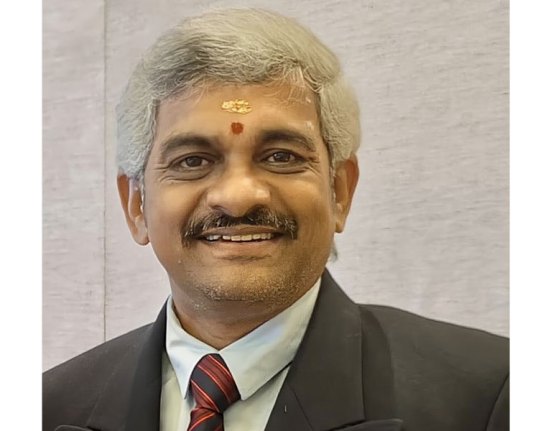
-By Capt. Sanjay Sharma, Global Security Head, Wipro Ltd.