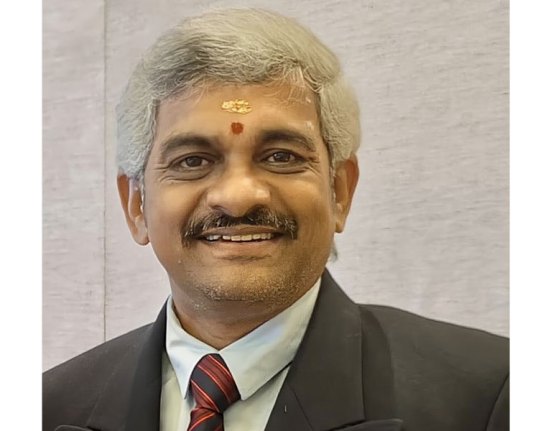
From India to the World: The SIS Group Way
In the security services industry, few names resonate as strongly as SIS Group. With operations spanning India, Australia, New Zealand, and Singapore, SIS has emerged as a leader in integrated security solutions. At the helm of this growth is Rituraj Sinha, the Group Managing Director, who has led the company to new heights. In this exclusive interview for our cover story, Sinha shares his insights on SIS’s growth strategy, the future of the private security industry, and the importance of innovation and labor reforms in shaping the sector.
SIS Group has been a major player in the security industry for years. Could you share the vision that drives the company forward?
Our vision is to position SIS as a platform for comprehensive business services, rather than just a security provider. Today, we operate across multiple verticals: manned guarding, electronic security, and facilities management. We also have investments in AI-driven technology, which allows us to offer holistic solutions to our clients.
For example, we’ve invested in AI-enabled security cameras and partnered with startups offering elder care and alarm monitoring solutions. This helps us cater to a wide variety of client needs, integrating human security with cutting-edge technology. Over the next five years, we see India contributing up to 80% of our total revenue due to its rapid economic growth, while our international operations, though significant, will contribute around 20%.
How does SIS balance its operations between India and its international markets, and what unique challenges do these regions present?
India is undoubtedly our biggest market, growing at double the rate of our international business. The security needs in India, especially with infrastructure expanding into Tier-2 and Tier-3 cities, present a unique challenge. In comparison, markets like Australia and New Zealand are more service-oriented, where the focus is on outcomes rather than headcount.
What we’ve learned from our international markets is the importance of designing smarter solutions that combine technology and manpower. In India, our challenge is managing scale, as we operate across 200 cities, including remote locations for large infrastructure projects. While international markets require sophisticated service content, in India, the focus is on efficiently managing scale and manpower.
The private security industry is often seen as recession-proof. How did SIS fare during the economic downturns, especially during the COVID-19 pandemic?
The beauty of the security sector is its resilience. It grows when the economy grows and also when it shrinks. During the first year of the pandemic, when India’s GDP contracted by 7%, SIS grew by 7%. Security services were classified as essential, so we were operational throughout the lockdown.
This resilience makes our industry unique—whether in times of growth or recession, the demand for security remains constant. Our ability to navigate challenges and continue expanding even during difficult times is what sets us apart.
Technology is transforming many industries. How is SIS integrating technology into its security solutions?
We’ve adopted a hybrid model, combining technology with manned guarding to enhance service quality while optimising costs for clients. One example is our use of AI in security cameras and body cams. During large public events, our guards are equipped with body cams that stream live footage to our Network Operation Center (NOC). We use AI to analyse this footage in real-time, scanning for suspicious activities.
Moreover, we developed the M-Trainer app, which allows us to provide customised training to our guards remotely. This ensures that our workforce is continuously up-skilled, depending on where they are deployed. Technology helps us meet the rising costs of manpower while maintaining high service standards.
With security guards frequently switching jobs, how does SIS ensure workforce retention and motivation?
Retention in the private security industry is challenging, as security is often seen as a job of last resort. However, we are changing that perception. At SIS, we ensure that our guards are paid on time, receive full compliance benefits such as Provident Fund, health insurance, and gratuity, and have access to additional perks like life insurance and scholarships for their children.
Additionally, our focus on continuous training and up-skilling, through our 14 residential training academies across the country, helps us retain talent. When guards see opportunities for growth within the company, they are more likely to stay.
Labor reforms have been a hot topic in India. How will the new labor laws impact the private security sector, and what is your take on these reforms?
The labor reforms, particularly the consolidation of labor laws under four codes, are the most significant regulatory change since the Private Security Agencies Regulation Act (PSARA) of 2005. These reforms will simplify compliance, reducing the complexity of managing labor regulations across 39 different acts.
The digitalisation of compliance is a major step forward. Once the new codes are implemented, businesses like ours will benefit from a more streamlined process, and the guards will directly
benefit from better formalised employment terms, ensuring they receive timely payments and social security benefits. This will improve the industry’s image and attract more talent.
SIS has made significant strides in promoting gender equality. Can you share more about SIS’s initiatives for women in the workforce?
At SIS, we’ve made it a priority to ensure gender neutrality in our workforce. About 30% of our staff in facility management roles are women, and we have several women in leadership positions in finance, training, and sales. Our goal is to create a balanced workforce, and we’ve been recognised among the top 50 best workplaces for women. This is something we’re particularly proud of, and we’re committed to improving gender equity across all our business verticals.
What are your thoughts on the future of the private security industry in India? Do you foresee any major shifts in the next five to ten years?
The private security industry in India is at an inflection point. The increasing overlap between physical and digital security is going to redefine the sector. We are already seeing a shift towards integrated solutions, where manned guarding is complemented by technology such as cameras, access control systems, and AI-driven analytics.
While some might think that technology will replace guards, I believe the future lies in a hybrid approach. Manpower will always be essential, especially in a country like India, where psychological comfort plays a huge role in security. But technology will help us do more with fewer resources, creating a more cost-effective solution for our clients.
As a leader in the industry, what advice would you give to young entrepreneurs looking to make a mark in the security sector?
For young entrepreneurs, I would say you are in the right place at the right time. India is entering a period of unparalleled growth, and the private security industry is resilient and non-cyclical. If you combine technology with an understanding of the market’s needs, there are tremendous opportunities ahead.
However, the key to success in this industry is managing scale efficiently and ensuring your workforce is motivated and well-trained. The industry is highly fragmented, but with the right strategy and investments in people, young entrepreneurs can make a significant impact.
As Rituraj Sinha emphasised, the private security industry is poised for continued growth, driven by technological advancements and the increasing demand for integrated services. With SIS Group leading the charge, the future looks bright for both the company and the industry at large. As the sector evolves, SIS’s commitment to innovation, labor reforms, and workforce development will keep it ahead of the curve, ensuring its leadership position for years to come.