A Delhi airport official explained that the drama began when “the aircraft’s transponder sent a Squawk 7500 code to Delhi ATC for three minutes”
An Air India flight from New Delhi to Mumbai triggered a major security alert on Monday night after it sent out an emergency hijack signal shortly after take-off.
The Mumbai-bound AI 2957 took off from Indira Gandhi International Airport at 8:40 pm and immediately transmitted a “Squawk 7500” code to Delhi Air Traffic Control (ATC), indicating an unlawful interference, or hijack.
In line with established security protocols, Delhi ATC swiftly alerted security agencies, the destination airport, and the Indian Air Force. A central committee comprising representatives from the Delhi Police, Central Industrial Security Force (CISF), Airports Authority of India (AAI), Bureau of Civil Aviation Security (BCAS), and the Air Force was convened to manage the potential threat.
Although the pilot quickly informed ATC that the alert was a false alarm, officials continued to act as per procedure. “How can the ATC assume that the pilot is not being pressured to tell the authorities that the flight is uneventful? What if he is at gunpoint and has been asked to say so?” said a former ATC official, requesting anonymity.
The flight, carrying 126 passengers, landed safely in Mumbai at 9:47 pm. Authorities were fully prepared for any eventuality, declaring a full emergency at Mumbai airport by 9:30 pm. Local police, stakeholders, and the National Security Guard (NSG) were deployed.
“The aircraft was taken to an isolation bay, and passengers were allowed to deboard after an hour once it was confirmed that everything was in order,” a Mumbai airport official said.
A Delhi airport official explained that the drama began when “the aircraft’s transponder sent a Squawk 7500 code to Delhi ATC for three minutes.”
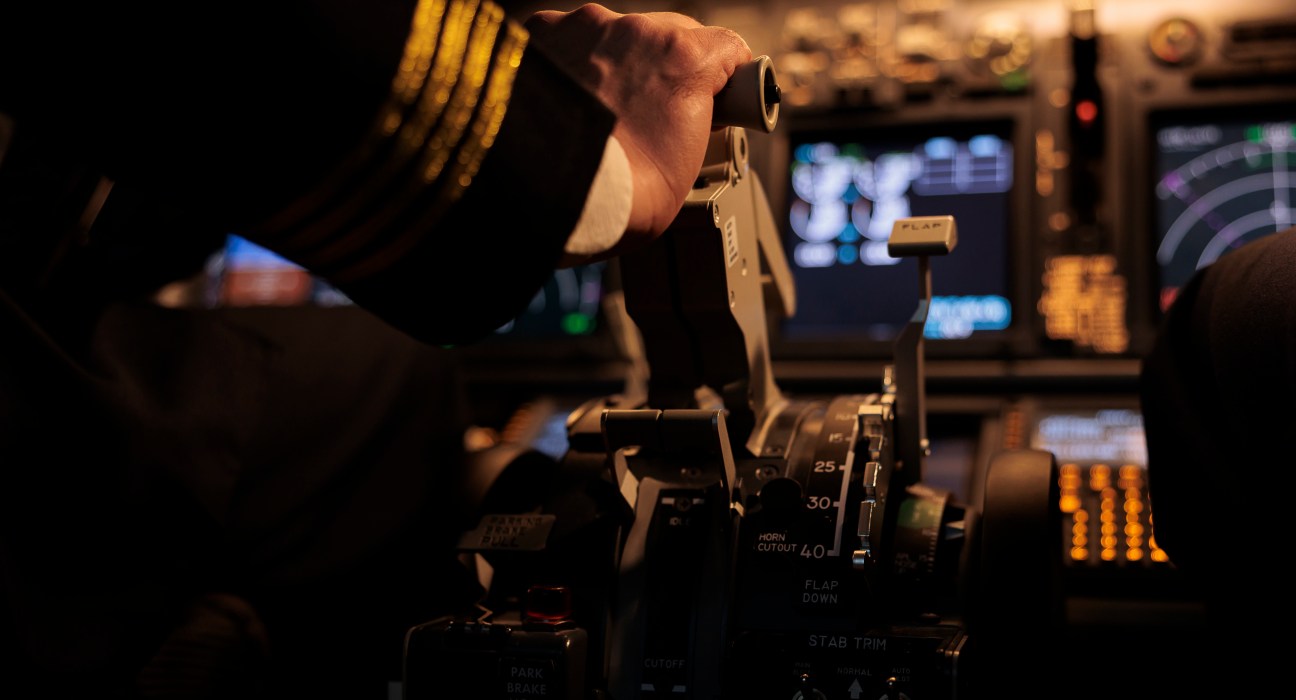
Squawk codes are unique four-digit signals used to distinguish aircraft. However, specific codes are reserved for emergencies: 7500 for hijacking, 7600 for radio communication failure, and 7700 for other emergencies.
Aviation ministry officials confirmed that the airline had reported the incident. The Directorate General of Civil Aviation (DGCA), along with BCAS and CISF, has launched an investigation.
“The aim is to find out the cause of the false indication. Whether it was pilot error or a misreading by the air traffic controller will only be clear after the investigation is concluded,” said a ministry official.
An airline official familiar with the matter commented, “There has been no indication of any crew involvement. It could have been a technical error, which will be confirmed after the DGCA’s enquiry.”
A second ministry official added, “The pilot realised the false indication after take-off and informed the ATC that the aircraft was operating normally and was not hijacked. However, once the indication is made, stakeholders must follow protocol and prepare for the worst.”
Following the landing, the pilot repeatedly assured authorities that the flight had been routine, with no threat or incident onboard.
While the probe continues, aviation authorities aim to ensure that technical or human errors leading to such alerts are addressed to avoid future disruptions.