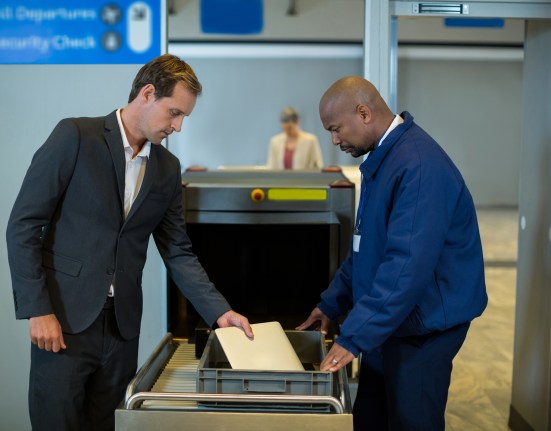
The SITA 2024 Air Transport IT Insights report is based on the views of over 250 senior airline and airport executives, representing a significant share of global passenger traffic
Airlines and airports are intensifying investments in cybersecurity, biometrics, and sustainable IT solutions to tackle digital threats and manage rising passenger numbers, according to SITA’s 2024 Air Transport IT Insights report, published on Tuesday. The report highlights that 74 per cent of airlines and 72 per cent of airports expect an increase in their overall IT spending over the next two years, reflecting the industry’s commitment to safer, smoother, and more sustainable air travel.
In 2024, the overall IT spend in the sector grew significantly, with airlines estimated to have spent $37 billion, while airports invested nearly $9 billion in various technology upgrades.
Cybersecurity Takes Centre Stage
Cybersecurity has emerged as one of the top priorities for the aviation industry, with 66 per cent of airlines and 73 per cent of airports listing it among their top three focus areas. The growing importance of safeguarding critical systems and passenger data comes as cyber threats become increasingly sophisticated.
In the Americas, cybersecurity is a particularly high concern, with 85 per cent of airlines and airports ranking it among their top three priorities. The region faces more advanced cyber threats compared to other parts of the world, although budget constraints are reportedly less of a challenge there.
A significant number of airlines and airports are strengthening their defences by upgrading IT infrastructure, transitioning to cloud-based systems, and implementing data protection measures.
David Lavorel, CEO of SITA, said, “This year’s findings highlight a pivotal moment for the aviation industry. As cyber threats become more complex, airlines and airports are taking decisive action to protect their operations and passengers. At the same time, biometrics and AI tech are simplifying the travel experience, helping the industry meet growing demand, and build resilience for the future.”
Biometrics Transforming Passenger Experience
The report indicates that biometrics will play a crucial role in enhancing passenger experience. Over half of airports plan to implement biometric solutions for check-in and bag drop by 2026, while 70 per cent of airlines expect to adopt biometric ID management systems within the same period.
These technologies are projected to cut passenger processing times by up to 30 per cent and reduce wait times by as much as 60 per cent, making travel smoother and more efficient.
Airlines are also increasingly leveraging artificial intelligence (AI), large language models, and machine learning to optimise flight operations, improve customer service, and enhance fuel efficiency. Meanwhile, airports are deploying data platforms and predictive analytics to manage passenger flow and improve real-time decision-making.
According to the report, 90 per cent of airlines have already adopted data platforms, while 42 per cent are exploring how to organise data for AI projects.
“The air transport industry generates massive amounts of data, but a lot of it doesn’t get used or is only looked at on the surface. With AI and machine learning, we can dig deep into this data, meaning we can take large steps in improving key areas such as efficiency, sustainability, security and cost,” Lavorel added.
Sustainability At Core
The report highlights that sustainability is a major focus as the industry strives to achieve net-zero emissions by 2050. Around 75 per cent of airlines are using real-time software for flight optimisation, weather risk assessment, and flight operations, while more than half are employing software to calculate carbon emissions.
The adoption of Sustainable Aviation Fuel (SAF) is also gaining momentum, with 62 per cent of airlines partnering with SAF suppliers — a significant increase from the previous year.
Airports are following suit, with 54 per cent having implemented energy management systems to monitor and reduce emissions, up from 29 per cent in 2023. The industry is making steady progress towards its goal of having 81 per cent of airports adopt such systems by 2026.
“Sustainability is essential for the future of aviation. It’s a responsibility we must embrace to drive lasting change,” Lavorel said. “The adoption of tech like flight optimisation software and SAF systems shows real progress in reducing carbon footprints. By combining these efforts with advanced analytics, the industry is on track to hit its environmental goals.”
The SITA 2024 Air Transport IT Insights report is based on the views of over 250 senior airline and airport executives, representing a significant share of global passenger traffic. It underscores how the aviation industry is undergoing a transformation, driven by technology to create a more secure, seamless, and sustainable future.