

Chandigarh Tightens Fire Safety Rules
Under the new policy, surprise inspections will be carried out on buildings that fail to meet the deadline.
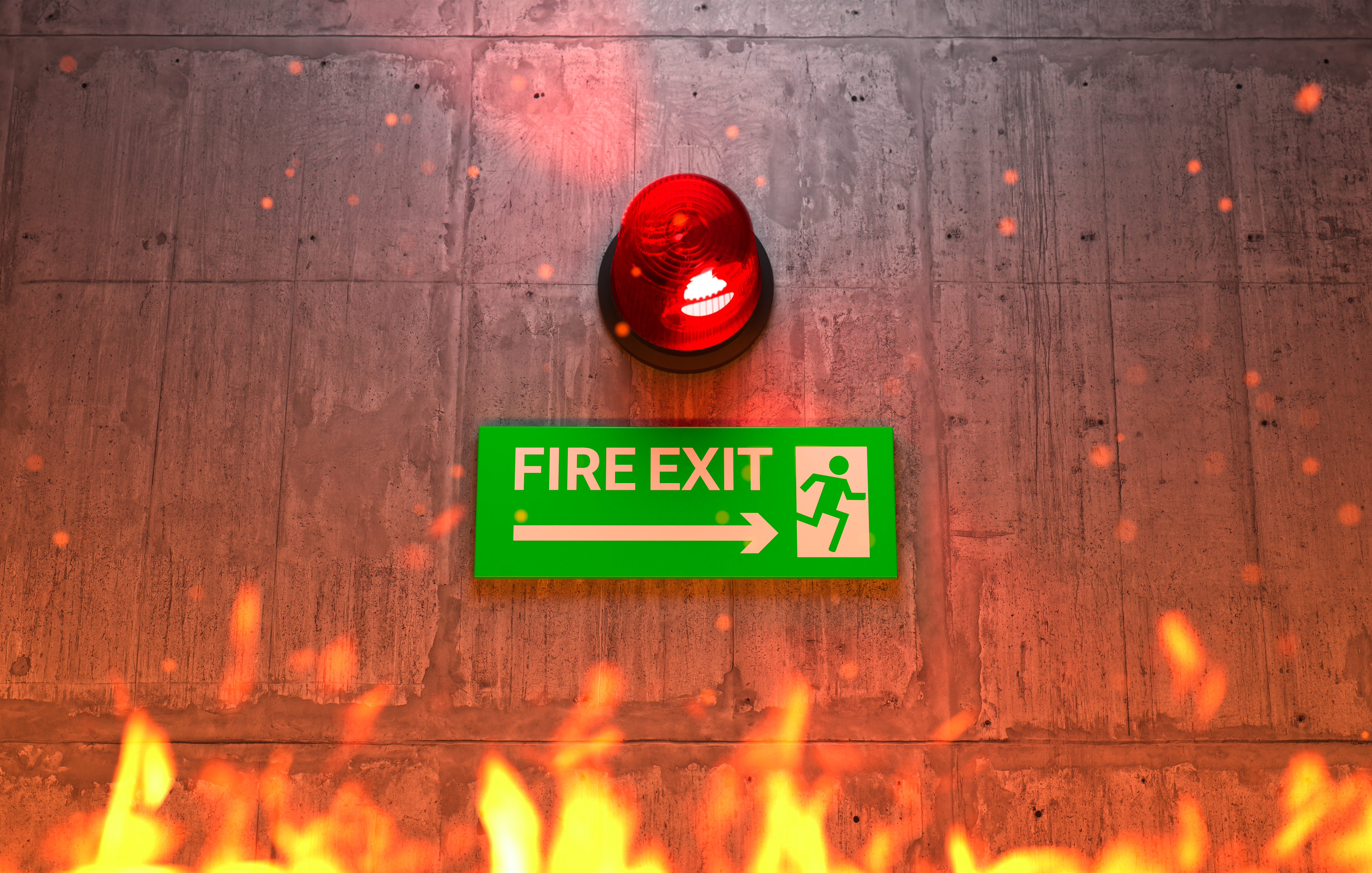
Under the new policy, surprise inspections will be carried out on buildings that fail to meet the deadline
The Chandigarh municipal corporation has introduced a new, stringent policy requiring building owners and occupants to obtain a fire safety certificate (FSC) within eight months of their online application. Failure to comply will result in the forfeiture of the application fee and potential legal action under fire safety regulations.
The directive, announced by the MC’s joint commissioner-cum-assistant chief fire officer, is a significant shift from the previous system, which had no fixed deadline. This lack of a time limit had led to a considerable backlog of pending applications, with many applicants paying the initial fee but failing to install the required fire safety equipment.
According to a public notice, applicants now have an eight-month window to complete all necessary formalities, including the installation of mandatory fire safety systems. Once completed, they must inform the respective fire safety officer. The new rule aims to address a backlog of over 1,100 pending cases since January 2019, which officials say is primarily due to applicants’ non-compliance.
Under the new policy, surprise inspections will be carried out on buildings that fail to meet the deadline. The move is expected to enforce stricter adherence to safety norms and reduce the backlog of unissued certificates.
In Chandigarh, FSCs are mandatory for all buildings taller than 15 metres. Additionally, as per the National Building Code (NBC), the certificate is compulsory for residential buildings accommodating more than 20 people, as well as for various high-risk and high-occupancy categories, including educational institutions, hotels, hospitals, and banquet halls.