From the battlefield to the boardroom, a veteran security leader reflects on crisis management, intelligence, and building resilient operations in a rapidly evolving world
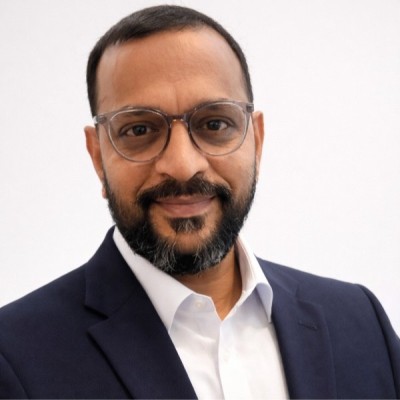
Having led elite Special Forces in high-risk conflict zones and later architected security operations for global corporations, Col Shekhar has navigated an exceptional journey. In this exclusive conversation with BW Security World, they share insights on leadership, crisis response, emerging technologies, and the future of security strategy.
You’ve transitioned from leading Special Forces in high-risk conflict zones to establishing security operations for global corporations. What leadership principles have remained constant throughout this journey?
Whether it’s the Army or the corporate world, leadership principles remain universal. The first principle is leading from the front, it sets the tone for any team. Second is clarity under pressure, which comes only with experience; it can’t be taught in any classroom. Third, a leader is only as strong as their team. Trusting, developing, and empowering the team is key. Over time, authenticity, mission focus, and empathy have become foundational to my leadership style.
What were the key priorities in establishing a robust security framework across multiple sites?
While I’d prefer not to name the company, as I’m speaking in a personal capacity, building any security function from the ground up follows the same fundamentals. First, adopt a risk-based approach, assess site-specific threats and develop mitigation protocols. Second, stakeholder engagement across the value chain is critical. Third, compliance mapping must include both global standards and local authority requirements. Implementation should ensure resilience by integrating physical, digital, and procedural controls. India’s varied geography demands flexibility—for example, Delhi may require additional controls not necessary in Bangalore.
You’ve authored several internal and global security policies. How do you ensure these policies stay relevant and adaptable across geographies and evolving threat landscapes?
A hallmark of any good organisation is having clear, accessible processes. To maintain relevance, operational elasticity is key. Security is constantly evolving—new threats, new technologies, shifting priorities. Policies must be treated as living documents. I recommend regular reviews, modular structuring to address people, processes, and technology, and layering global standards with local SOPs. Threat intelligence inputs are also crucial to align policies with current realities.
How are emerging technologies like AI, surveillance analytics, and cyber-physical integration, shaping security strategies today?
In a big way. Technology is advancing faster than we can adapt. I’ve witnessed the leap from rotary phones to voice-activated video calls. In security, AI—both generative and agentic, is becoming the backbone. It reduces human error, enables real-time situational awareness, and facilitates integrated command and control systems. Communication across stakeholders has also become seamless. Technology today is a true force multiplier.
You’ve led emergency response teams during crises like COVID and natural disasters. What framework do you follow for rapid crisis response and recovery?
In the Army, crisis readiness is institutionalised—it’s not a matter of if a crisis will occur, but when. Teams, logistics, and plans must always be ready. I apply the same mindset in the corporate setting. Speed is essential, delays can worsen a crisis. Integration with local administrations and stakeholders is vital; they provide ground-level insights and help prioritise efforts. After every mission, we conduct a detailed after-action review to strengthen future responses. Constant improvement is key.
You have experience in counterterrorism and intelligence gathering. How have those skills improved mission success and translated into corporate security practices?
Good intelligence is the foundation of any security success. I’m trained to look beyond the immediate and scan the horizon. In the Army, we focused on creating butterfly effects—small actions that lead to big results. In corporate life, it’s about identifying minor events that could evolve into major threats. I keep systems updated, monitor evolving risks, and focus on three critical threat vectors: cyber intrusions, supply chain vulnerabilities, and insider threats. Each is equally important, especially in knowledge-intensive sectors. It’s a continuous learning journey.
Can you share some lessons from your UN peacekeeping mission in Congo, especially around humanitarian engagement and post-conflict rehabilitation?
Absolutely. Serving in the UN mission in Congo in 2006 was a turning point. As a peace enforcement unit, we had to balance military operations with humanitarian sensitivity. The poverty and suffering were immense. One core lesson: even in chaos, people deserve dignity and to be heard. I’m proud we helped rescue around 300 child soldiers and reunite them with their families. We also evacuated civilians from conflict zones where no other support was available. It showed me the power of applying military training for human good—that remains a highlight of my career.
Looking into the future, how do you envision your next chapter as a security strategist and mentor to the next generation?
At this stage, I see my role evolving to bridge Special Forces experience with corporate and product security leadership. Security today goes beyond guards and gates—it’s about building business resilience. I aim to mentor young CSOs, especially veterans transitioning into the corporate world. I also plan to contribute to national-level dialogues and thought leadership in the security space. One personal revelation is that learning never stops. I used to think education ended with an MBA, but in reality, lifelong learning is essential to stay ahead.