Announced this week, the initiative is designed to offer quicker, more comfortable screening for groups who often face difficulties navigating crowded transport hubs and lengthy queues
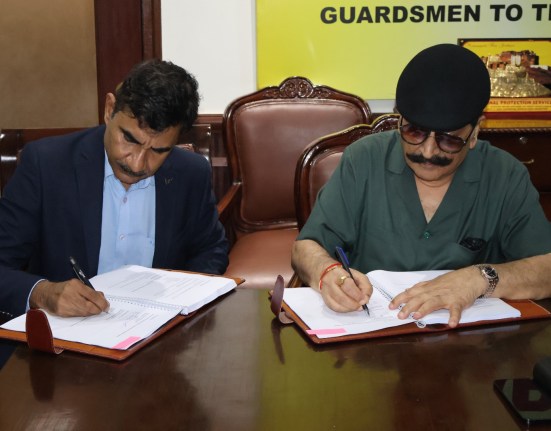
The Delhi Metro Rail Corporation (DMRC), in collaboration with the Central Industrial Security Force (CISF), has rolled out a Priority Frisking programme at all metro stations across the capital, aimed at easing security procedures for vulnerable and special category passengers.
Announced this week, the initiative is designed to offer quicker, more comfortable screening for groups who often face difficulties navigating crowded transport hubs and lengthy queues. The beneficiaries include senior citizens, pregnant women, mothers travelling with infants, people with injuries, and those with disabilities.
In a statement, DMRC said the move was part of its continued effort to improve passenger experience and promote inclusive access to urban public transport. “This initiative ensures hassle-free, safe and smooth travel for passengers who may otherwise find standard procedures physically taxing or stressful,” it said.
Under the new protocol, eligible individuals can self-identify at security checkpoints and will be directed to separate frisking lanes. CISF staff have been trained to identify and assist these passengers with courtesy and speed, helping reduce wait times and unnecessary physical strain.
Security checks remain a non-negotiable part of metro operations in India’s capital, where large passenger volumes and the ongoing risk of public threats require stringent safety protocols. However, DMRC acknowledged that for certain passengers, the existing system can pose challenges.
The Priority Frisking model, now live across the network, seeks to address this by offering a more human-centred approach. For instance, people with mobility issues or those recovering from injury are no longer required to navigate standard frisking procedures that might exacerbate pain or discomfort.
Similarly, expectant mothers and those carrying infants often struggle with long waits and the physical burden of security screening. The new system allows them to move more swiftly through checkpoints with minimal disruption.
Senior citizens—many of whom travel during peak hours—will also benefit from reduced standing time and greater personal assistance, DMRC said.
The programme also dovetails with broader government and civic initiatives aimed at improving accessibility in public transport and fostering a more inclusive urban mobility framework.
Awareness campaigns are being run throughout the metro system to inform passengers about the new provisions. “We encourage all eligible individuals to make use of the service and help us make metro travel a more equitable experience,” the DMRC added.
With nearly 5.8 million passengers using the Delhi Metro daily, the need for policies that prioritise comfort and dignity—particularly for those with special needs—is more pressing than ever. Observers say the move sets a new benchmark for passenger-sensitive infrastructure planning in India’s public transit landscape.