The urgency of this issue was highlighted in a recent border skirmish on May 8, when Indian air defence systems engaged swarms of drones flying in from Pakistan
As India significantly ramps up its investment in unmanned aerial vehicles (UAVs) for both military and civilian applications, experts warn that the country’s drone ambitions are facing a critical threat: cybersecurity. While drones are increasingly seen as vital tools for defence, logistics, and agriculture, their greatest weakness is not mechanical but digital, leaving them open to a new class of attacks that could have devastating consequences.
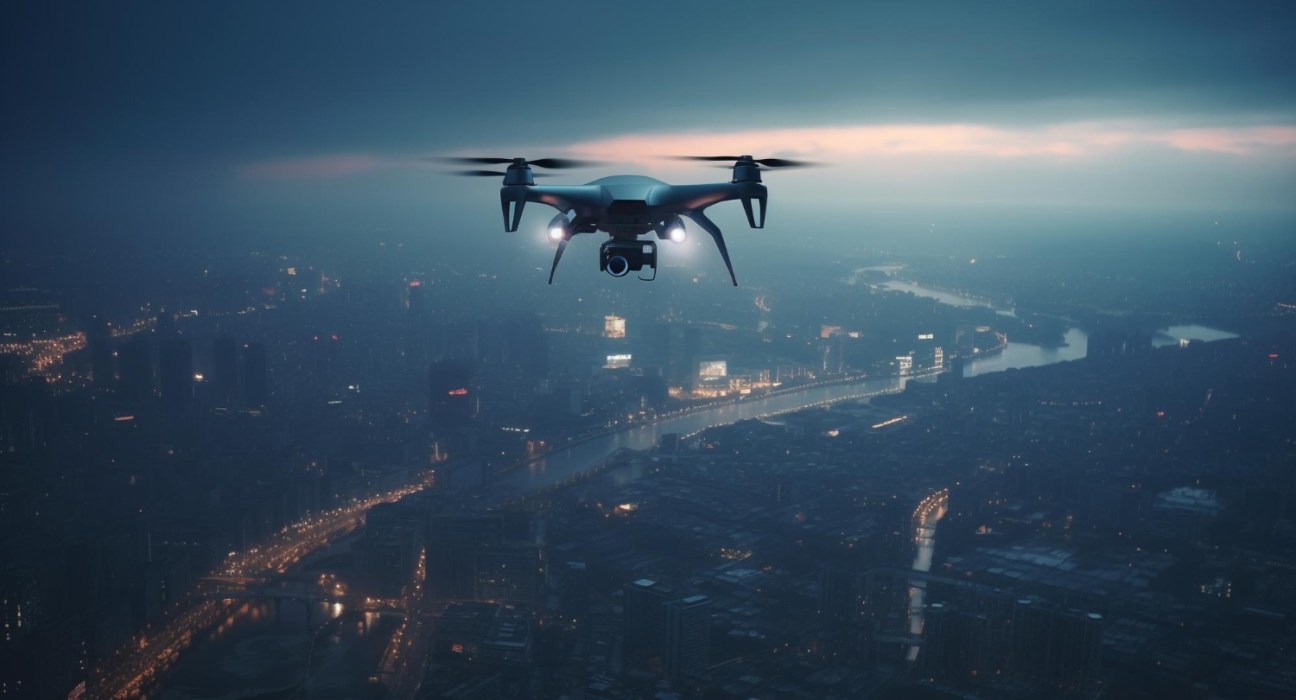
The urgency of this issue was highlighted in a recent border skirmish on May 8, when Indian air defence systems engaged swarms of drones flying in from Pakistan. The incident, believed to be the first of its kind on a large scale in the region, has prompted India to triple its UAV investment to an estimated USD 470 million over the next year. According to defence analysts, this marks the beginning of a new arms race, where machines in the sky are set to redefine strategic power.
The core vulnerability lies in the very technology that makes drones so useful: wireless communication. Most drones rely on open-frequency transmissions to communicate with controllers and transmit data, making them inherently susceptible to interference.
This leaves them exposed to a range of attacks, from Distributed Denial-of-Service (DDoS) attacks that can crash a drone mid-flight, to targeted interception of sensitive data. Attackers can flood communication channels, hijack signals, or quietly siphon off confidential information—such as footage of a military installation or insights from an oil rig—without being detected.
The challenge is that traditional encryption methods, which rely on fixed infrastructures like routers and centralised key management systems, are not a feasible solution. Drones are mobile and must operate in environments with unstable connectivity or untrusted networks, rendering conventional security protocols ineffective.
According to experts, the path forward lies in embedded, hardware-integrated encryption. This approach moves the security from a network layer to the device itself.
Imagine if the encryption itself lived inside the drone, This would create a secure, end-to-end communication pathway between the drone and its controller, independent of any external network. Even if data were intercepted mid-flight, it would be unreadable. Furthermore, such a system would be designed to respond only to authenticated, encrypted commands, filtering out and ignoring any unauthorised signals.
For India, a country where drones are becoming an increasingly central part of its security and economic strategy, this technological shift is critical. A single compromised feed could expose sensitive troop movements during conflict, and a breach in a civilian drone could jeopardise a critical supply chain or expose vital agricultural data.
As both China and Pakistan increase their own UAV investments, the need for robust drone cybersecurity is no longer an add-on but a foundational requirement. As autonomous machines become our eyes and ears in the field, securing them is paramount to ensuring that what they see, hear, and do can be trusted.