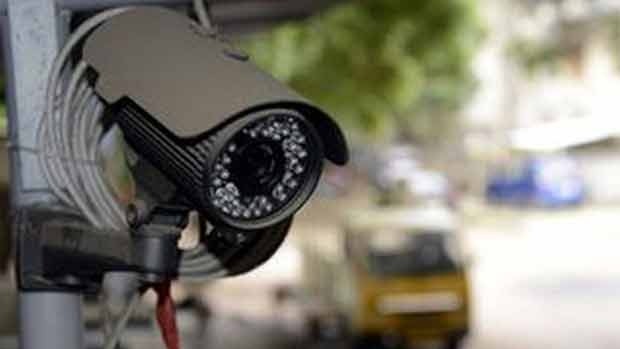
Sweeping new directive to equip every state and central government office with CCTV cameras
The directive, which implies a vast, nationwide procurement and installation project, moves beyond securing entry points, positioning cameras throughout government infrastructure. While the stated goal is to enhance efficiency and enforce accountability—particularly countering persistent issues of corruption and employee absenteeism—civil liberties groups are already raising alarms over the digital footprint being amassed.
The policy will transform standard administrative workspaces into highly monitored environments. Proponents argue that the visibility will deter corruption and dramatically improve service delivery by holding officials directly responsible for their output and conduct. It is seen by some within government circles as the simplest means of closing the oversight gap in sprawling state bureaucracies.
Cost To Privacy
The immediate concern for privacy watchdogs centres on the unprecedented volume of data—and who will control it. Footage from every meeting room, hallway, and desk across thousands of public sector buildings will create a national video archive requiring massive storage capacity and strict, independent protocols.
Questions remain over data retention periods, access controls, and the potential for function creep—the risk that video feeds installed for oversight are eventually used for staff monitoring, political surveillance, or cross-referenced with other biometric systems.
As the government moves to implement what amounts to a de facto digital panopticon across its operations, the conversation shifts from administrative efficiency to one of fundamental rights. The success of the venture will be measured not just by a drop in absenteeism, but by whether the state can establish watertight safeguards to prevent this powerful new surveillance tool from becoming an instrument of overreach.