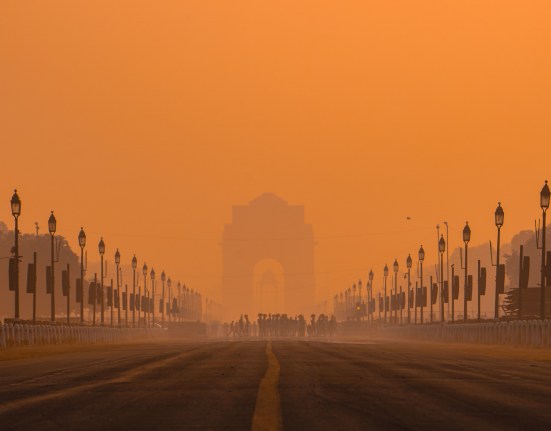
Bridging security requires not only more resources but also a different approach to public safety
Every citizen, regardless of age or background, desires the same basic comfort — the assurance that they and their loved ones are safe. Yet in modern society, security is no longer a simple matter of locked doors and watchful neighbours. Threats have evolved, ranging from petty theft and road rage to increasingly violent crimes against women, lone elderly residents and children. Despite a growing awareness of these dangers, the gap between recognising problems and implementing effective solutions remains wide.
This gap exists for many reasons: overstretched law enforcement agencies, budgetary limitations, insufficient training, and at times a lack of institutional sensitivity towards the everyday safety concerns of communities. Bridging it requires not only more resources but also a different approach to public safety, one that combines professional skill with community trust.
One untapped solution lies in the vast, disciplined and highly trained talent pool of India’s defence veterans. Having spent years serving the nation in challenging environments, many already work in private security roles. Their adaptability, strategic thinking and crisis-response skills make them uniquely suited to enhancing security in both urban and rural settings.
Force Multiplier for Public Safety
Law-abiding citizens today face a variety of risks, from antisocial behaviour and stray animals to sudden natural disasters. Local administrations, working with limited police strength, often struggle to address these threats in real time. Integrating trained veterans, both men and women, into local safety networks can significantly increase the capacity to respond effectively.
The value of their presence extends beyond incident response. The visibility of well-trained personnel patrolling streets, assisting the public, or engaging with residents serves as both a deterrent to wrongdoers and a source of reassurance to the community. Such visible safety measures are as much about perception as they are about action. When people feel protected, they live with greater confidence.
Vulnerabilities in Residential Areas
Many safety concerns begin at home. Across cities, particularly in urban apartment complexes and suburban colonies, certain patterns of vulnerability are emerging. Elderly couples living alone are increasingly targeted for break-ins, often due to misplaced trust in familiar faces. Violence involving domestic staff is becoming more frequent, with the root cause often traced to incomplete or outdated antecedent verification, making it essential that background checks are not only thorough but also routinely updated. Temporary service providers such as couriers, delivery agents, repair workers, and vendors, due to their transient nature, require careful monitoring.
Unattended homes during travel present an open invitation to burglars, highlighting the need for security agencies to develop dedicated short- and long-term monitoring services, categorised as Regular, Critical, or Disaster-level watch. Poor infrastructure, including broken roads, open manholes, exposed wiring, and inadequate street lighting, contributes not only to accidents but also to increased vulnerability to crime. The presence of stray animals, particularly aggressive dogs or cattle, further increases risks to children and the elderly. Guard accountability in housing societies should extend beyond elected boards to all residents, ensuring fair and respectful treatment for everyone in the community.
Public Spaces Under Strain
Public spaces, whether parks, markets or transport hubs, are often where vulnerabilities are most visible. Incidents of chain snatching, mobile theft and even assaults occur not only at night but in broad daylight. Poorly maintained children’s parks, unguarded open spaces and the occasional presence of stray or wild animals make such areas unsafe.
Transport hubs like bus stands, metro stations and railway terminals face constant challenges in crowd control. A lack of pedestrian discipline, compounded by negligent driving, increases the danger for commuters. Stray cattle wandering onto busy roads exacerbate traffic risks.
The situation is particularly concerning for working women who travel late at night. High-profile tragedies, such as the cases of Nirbhaya and Saumya, serve as reminders of the devastating consequences of insufficient safety measures. Prevention must take precedence over reaction, and planning must anticipate rather than merely respond to such risks.
Securing Tourist Destinations
Tourism is an economic powerhouse for India, contributing significantly to both local and national revenue. Yet, it remains highly vulnerable to security breaches. The 26/11 attacks in Mumbai not only claimed lives but also triggered international travel advisories, leading to a sharp decline in foreign visitors. Similarly, safety concerns surrounding the 2010 Commonwealth Games caused a noticeable drop in tourist numbers.
To preserve and strengthen the tourism sector, I propose a simple guiding principle encapsulated in the acronym TOURISM: Trouble-free Outing Under Reasonable Investment for Sightseeing & Meandering.
Ensuring this ideal requires more than hotel security and tourist police. Private security agencies, particularly those employing ex-Navy personnel trained as divers, can play a crucial role in safeguarding coastal and water-bound attractions. Establishing emergency response control centres at monuments and heritage sites would also be a proactive step towards visitor safety.
Redefining Role Of Security Agencies
The term “security agency” no longer fully reflects the range of services required in today’s environment. A rebranding towards “Safe & Sound Solution Centres” could better capture the breadth of their role. Such centres could operate mobile patrol units, check in regularly on elderly residents, and act as rapid responders to incidents before they escalate.
Defence veterans could be deployed to support police in crowd management, traffic monitoring and the protection of vulnerable groups. For companies employing women on late-night shifts, the provision of trained male and female escorts, ideally drawn from the veteran community, should be made mandatory. Public transport services could also adopt this practice, offering similar protection during night hours.
Motorcycle-based patrols operated by veterans trained in surveillance and communication could be particularly effective in responding quickly to road rage incidents, animal hazards and accidents. Well-equipped and connected to central command, such teams would provide a critical link between the public and emergency services.
Veterans could further contribute to the work of the National Disaster Management Authority (NDMA), offering expertise in crisis planning, evacuation and relief operations. Their training in both leadership and discipline makes them a cost-effective and highly capable addition to India’s disaster response framework.
The time to act is now!
The integration of defence veterans into public safety systems is not merely an employment measure, it is a strategic move to strengthen community resilience. Their skill, commitment and sense of duty can help address risks before they develop into crises.
Government bodies, law enforcement agencies and private sector stakeholders must align to create formal pathways for this integration. Such a framework would ensure that veterans’ skills are matched to roles where they can have the most impact.
In security, hesitation can prove costly. The choice before us is clear: act now and prevent harm, or wait and count the cost later. As the old saying goes, a stitch in time saves nine, and when it comes to public safety, those stitches could save far more than that.
By Capt. Pran Ranjan Prasad (Veteran)