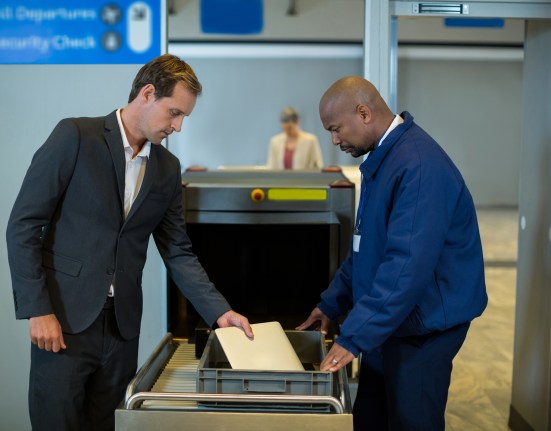
Physical security tools such as video surveillance cameras, access control systems, and automated license plate readers (ALPR) primarily serve to ensure the safety of students, faculty, and visitors
Modern higher education campuses operate like small cities, with various departments functioning independently while relying on shared resources. However, this autonomy often leads to inefficiencies in collaboration, particularly when it comes to utilising security systems beyond their traditional roles.
Physical security tools such as video surveillance cameras, access control systems, and automated license plate readers (ALPR) primarily serve to ensure the safety of students, faculty, and visitors. Yet, these systems also generate valuable data that, when shared across departments, can enhance operational efficiency, resource allocation, and strategic planning.
Unlocking Potential Of Security Systems
Typically, security cameras are installed to monitor potential threats and provide forensic evidence during incidents. Access control systems manage the locking and unlocking of doors, while ALPR systems identify vehicles permitted to park in designated areas or detect vehicles of interest on campus. However, these systems can offer more than their primary functions when their data is integrated across departments.
For instance, consider a university’s performing arts centre equipped with surveillance cameras to deter crime. These cameras can also be used to enhance visitor experience. During intermissions, crowd estimation tools linked to the cameras could assess queue lengths at concession stands. A video announcement could direct attendees to the shortest queue, improving the flow of people and boosting sales for the fine arts department. This cross-departmental use of security technology not only enhances efficiency but also contributes to the department’s revenue.
Enhancing Sporting Events & Traffic Management
Similarly, security cameras at sporting events managed by the athletic department could use crowd estimation tools to analyse vendor performance. By tracking foot traffic at various food stands, the department could identify which vendors are most popular and make data-driven decisions on lease renewals. This would optimise operations and ensure maximum revenue from vendor partnerships.
Once the event concludes, ALPR systems could help manage traffic flow. Originally designed for security purposes, these tools could gather data on vehicle movement and parking capacity, offering insights that would aid in improving traffic management and future event planning.
Bridging Security & Operational Efficiency
To fully harness the potential of security systems, universities need to assess their existing infrastructure and encourage cross-departmental collaboration. Sharing security data with various departments not only enhances safety but also supports more efficient operations and strategic decision-making.
As campuses continue to evolve, breaking down departmental silos and integrating data from security systems could play a pivotal role in creating smarter, more efficient environments. This approach enables universities to maximise their investments while improving both security and the overall campus experience.