Legislation, said the expansion was pushed through partly to prepare for Seattle hosting FIFA World Cup matches this spring
Seattle’s city council has voted to broaden the use of police surveillance cameras across the city, defying fierce opposition from residents, civil rights advocates and community groups who fear the system could be exploited by federal authorities to target immigrants and people of colour.
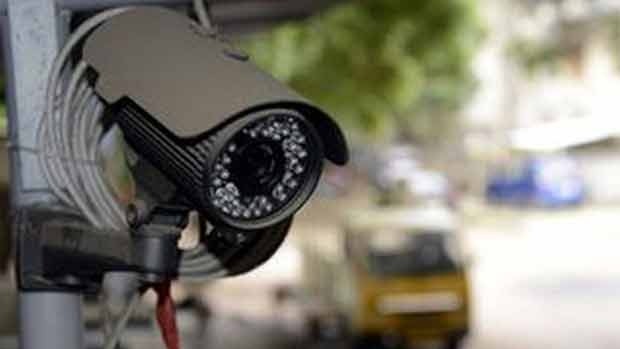
In a 7–2 vote, councillors approved two measures to add cameras in three more neighbourhoods, incorporate hundreds of Seattle Department of Transportation cameras and extend the reach of the Seattle Police Department’s Real Time Crime Center. Both bills build on a pilot programme launched last year and were passed before any assessment of its effectiveness.
Bob Kettle, who chairs the public safety committee and sponsored the legislation, said the expansion was pushed through partly to prepare for Seattle hosting FIFA World Cup matches this spring. He argued the measures had the backing of many small businesses and residents keen to see crime addressed. “These bills are designed to come together and support our communities,” Kettle said, adding that constitutional policing and respect for rights remained paramount.
An amendment from councilmember Alexis Mercedes Rinck, supported by Kettle, stipulates that the Real Time Crime Center must halt operations and suspend all data gathering for at least 60 days if the federal government subpoenas or attempts to use the footage for immigration enforcement. The safeguard was adopted unanimously.
Other attempts to tighten oversight or require evaluations of the programme’s success were defeated. Cameras are already positioned along North Aurora Avenue, downtown’s Third Avenue corridor and near 12th Avenue and Jackson Street in the Chinatown International District. Mayor Bruce Harrell has proposed new sites near Garfield High School, the nightlife district on Capitol Hill and the Stadium District.
More than 60 organisations – including the American Civil Liberties Union of Washington, the Seattle Office for Civil Rights, the Community Police Commission and the Community Surveillance Advisory Working Group – opposed the expansion, warning it risks entrenching mass surveillance and undermining public trust.