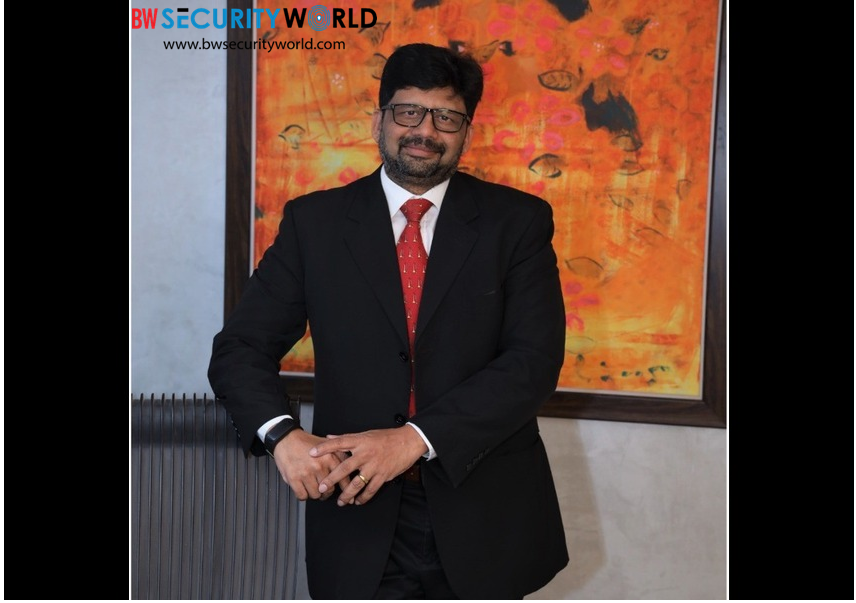
“Security is often viewed like insurance—only considered after a loss occurs” says Pushkar Gokhale
In a rapidly evolving security ecosystem, digital transformation is no longer a buzzword but a strategic imperative. As the Head of Security Solutions at Godrej, Pushkar Gokhale is responsible for driving innovations across a diverse portfolio that includes high-security safes, vaults, access control systems, and AI-powered surveillance products. In this wide-ranging conversation with BW Security World , he sheds light on changing consumer perceptions, the impact of gold prices on home security habits, the rise of biometric systems, and why security must be seen as a long-term investment – not a cost.
Let’s begin by clarifying a common confusion. Godrej operates across multiple verticals. How does the security business differ from the locking solutions vertical?
While both verticals fall under the umbrella of Godrej’s security offerings, they operate independently and cater to different market needs. The Locks and Architectural Fittings division focuses on mechanical and digital locking systems used primarily in doors, furniture, and general household use. In contrast, the Security Solutions vertical deals with high-security safes, strong-room doors, vaults, biometric access control systems, surveillance infrastructure, and smart home security devices. These higher-end products are designed for both institutional clients—like banks, defence establishments, and enterprises—as well as residential customers seeking comprehensive security systems. Both verticals complement each other in strengthening the broader security ecosystem.
How would you describe the current ecosystem of home security solutions offered by Godrej Security Solutions? What sets them apart?
Over the past decade, home security has evolved from being a luxury to becoming an essential investment. The product ecosystem today includes IoT-enabled video door phones, Wi-Fi surveillance cameras, electronic safes, and increasingly, AI-powered monitoring systems. For instance, connected video door phones allow users to answer the doorbell from anywhere in the world using a mobile app—whether at work or on holiday. Similarly, Wi-Fi cameras offer live streaming, cloud storage, and real-time alerts. They’re designed for proactive safety, capable of detecting unusual noises, sudden movement, or even crying sounds from a child. The focus is on transitioning surveillance from reactive to preventive.
Given the shift towards digital and institutional storage, why is there renewed focus on physical safes at home?
While bank lockers offer secure storage, they aren’t always accessible—especially during emergencies, festivals, or family functions. Many families now prefer to keep part of their valuables, particularly jewellery, at home for convenience. Earlier, metal almirahs were used, but modern wooden wardrobes are easier to break into. Residential safes, pioneered over a decade ago, are gaining renewed attention. The barrier isn’t affordability but mindset—many still hide gold in unconventional places, believing it to be safe. Campaigns now focus on educating consumers that hiding is not securing. A certified, fire-resistant safe provides peace of mind that traditional methods cannot.
With rising gold prices, are changing market trends influencing consumer behaviour around home security?
Certainly. The sharp rise in gold prices has made jewellery not only culturally important but also financially significant. Even modest households may store gold worth several lakhs at home. Add emergency cash, and the assets become even more valuable. Alarmingly, many thefts are linked to insider access—by domestic help, casual labourers, or acquaintances. While cameras can help identify culprits, they don’t prevent theft. A well-installed safe, on the other hand, acts as a strong deterrent. Demand is growing for wall-mounted, under-bed, and customised safes that discreetly blend into interiors. Consumers are now thinking strategically about secure placement.
Biometric access control is gaining ground. How are these technologies being deployed in residential and institutional settings?
Biometric access control lies at the heart of modern security solutions. Institutional offerings have moved beyond basic fingerprint and RFID access to sophisticated systems such as face recognition, multi-factor authentication, and integrated attendance solutions. These are deployed in high-security zones like data centres, refineries, and defence facilities. In residential settings, biometric-enabled safes are popular, and face recognition-enabled lockers are under development. Public familiarity with biometrics through platforms like Digi Yatra has accelerated adoption across sectors. The shift is cultural as much as technological.
Could you share a deployment example that illustrates the transformative power of modern security technologies?
A compelling use case is the intelligent key management system implemented in government and enterprise facilities. Instead of manual handling, physical keys are stored in an electronically controlled unit accessible only via biometric verification. Keys can be removed only by authorised individuals, and the system prevents exit until the key is returned, generating real-time alerts if attempted otherwise. This creates an auditable, tamper-proof security protocol. It’s an excellent example of layered, accountable security meeting real-world needs.
Despite access to advanced products, where do end-users still go wrong?
One of the most common oversights is storing the override key of a digital safe inside the safe itself. Though seemingly intuitive, it renders the safe useless during malfunctions like battery failure. The recommendation is always to store the override key in a separate, secure location. Additionally, ongoing education and responsive post-sale service are crucial to ensure users adopt best practices. That’s why considerable investment is made in customer support and awareness programmes.
There remains a perception that security is an avoidable cost rather than an investment. How can this mindset be changed?
Changing this perception is critical. Security is often viewed like insurance—only considered after a loss occurs. In reality, it’s a proactive enabler of peace of mind. It protects irreplaceable assets, from generational jewellery to sensitive documents. The emotional and financial loss from a security lapse can be devastating. As urbanisation and asset ownership increase, investing in security becomes not just sensible but essential. It’s time to move from reactive to preventive and predictive safety strategies.
Congratulations on the recent recognition at the OSPAs. What does this mean in the broader context of India’s security landscape?
The recognition serves as a validation of sustained efforts to build trust through innovation. It reflects the collective dedication of teams working to secure not just physical assets, but the confidence and well-being of individuals and institutions alike. The honour reinforces a long-standing commitment to transforming how security is perceived, adopted, and integrated into everyday life.