The project is being implemented with grant assistance from India, with a total estimated cost of SLR 20 billion
Sri Lanka’s unique digital identity project, supported by India, is set to commence by the end of January, a senior official confirmed on Tuesday. The initiative marks a significant milestone in the country’s digitalisation programme, aiming to streamline governance and public service delivery.
The project is being implemented with grant assistance from India, with a total estimated cost of SLR 20 billion. According to Digital Economy Deputy Minister Eranga Weeraratna, “We aim to receive 50 per cent of that under the Indian assistance programme.”
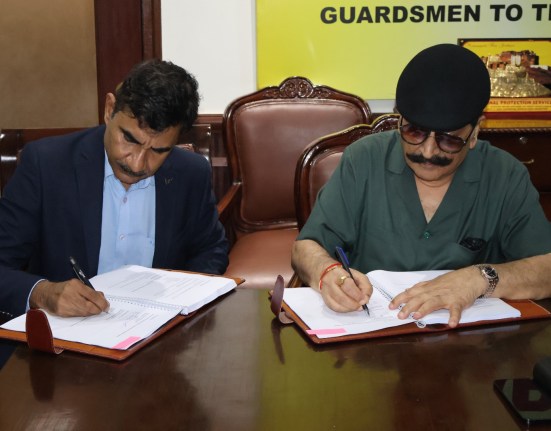
The Indian government has already extended Rs 450 million (approximately USD 5.4 million) for the project’s implementation, as part of an agreement finalised in August 2023. The cabinet, led by President Ranil Wickremesinghe, approved the India-funded project last year.
Biometric Data Collection In Focus
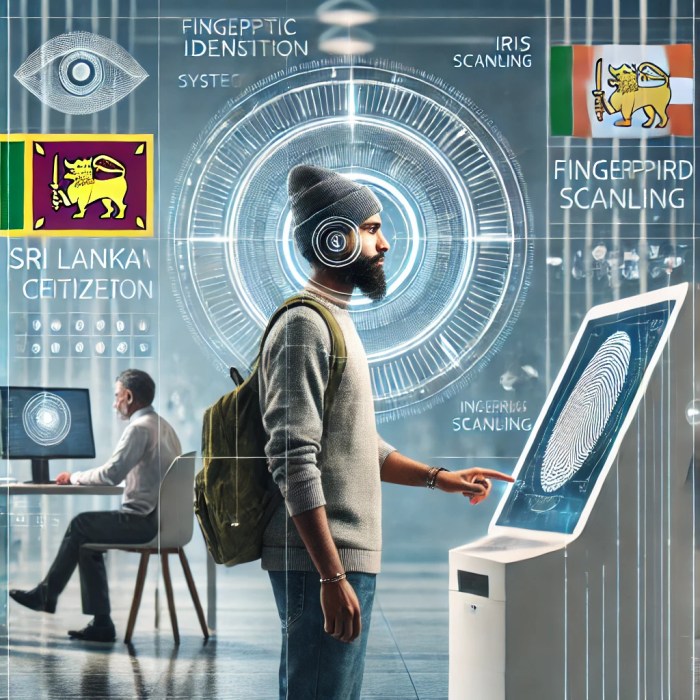
The project’s first phase will involve the collection of both biographic and biometric information, including facial recognition, iris scans, and fingerprints. Minister Weeraratna stated, “This is a crucial step in our journey towards building a digital economy.”
However, the initiative has drawn criticism from opposition groups, who have raised concerns over the security of citizens’ personal data. Critics argue that the involvement of Indian firms in the project could lead to data privacy issues, labelling it a potential national security risk.
Data Privacy Safeguards
Responding to these concerns, Minister Weeraratna assured that the government has prioritised data security. “The new National People’s Power government will not allow any misuse of data,” he emphasised.
Weeraratna added that Sri Lanka has communicated to Indian partners that once the infrastructure is in place, access to the collected data will be strictly limited to Sri Lankan authorities. “So there is nothing to fear,” he reassured citizens, addressing public apprehensions.
The unique identity project is part of a broader effort to modernise Sri Lanka’s administrative systems and improve public services. As the country moves forward with this ambitious plan, the government has pledged transparency and strict adherence to data protection protocols to ensure citizens’ trust.