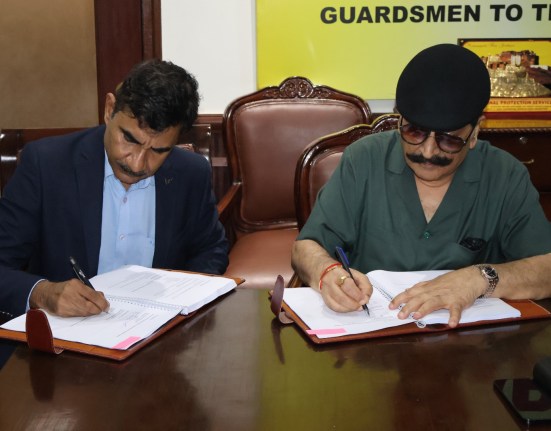
Subaru’s journey to securing ISO approval began in 2019, partnering with Japan Radio and the New Energy and Industrial Technology Development Organisation (NEDO)
Subaru, best known for its reliable and affordable 4WD cars, has a lesser-known history rooted in aerospace. Originally founded as the Nakajima Aircraft Company over 90 years ago, the company has carried its expertise in aircraft engineering into its modern-day endeavors. Subaru’s aerospace division continues to manufacture unmanned aerial vehicles (UAVs), attack helicopters for Japan’s Self Defense Force, and parts for Boeing jets. Recently, this legacy came into play as the company achieved a significant milestone in drone safety.
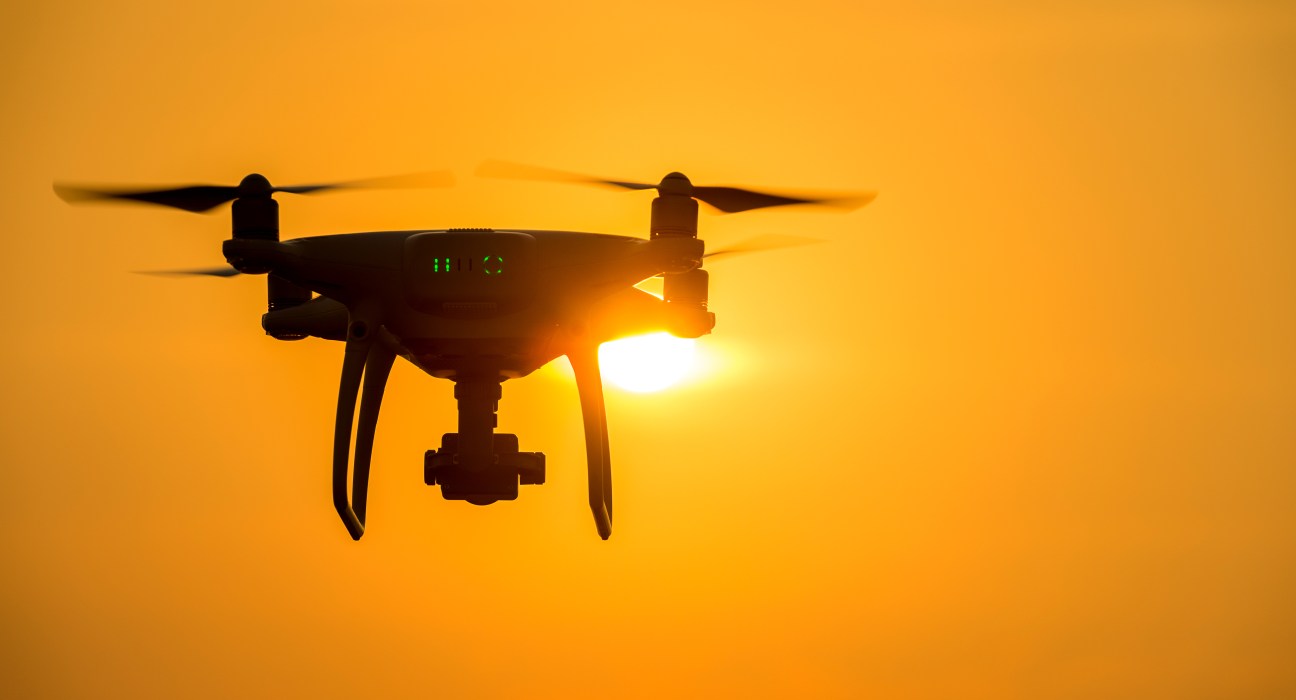
In October last year, Subaru’s proposed anti-collision standards for drones were formally recognized by the International Organization for Standardization (ISO), making Subaru’s safety rules the global standard for UAVs. These rules aim to prevent mid-air collisions, a growing concern as drones become more widespread in industries ranging from delivery to agriculture.
“The approval process was long-winded, but someone needed to do it,” said Akihiro Yamane, general manager of Subaru’s aerospace engineering division. He emphasized the importance of having safety rules for drones, similar to traffic regulations for cars, to ensure safe integration of UAVs into daily use worldwide.
A Long Path To Global Recognition
Subaru’s journey to securing ISO approval began in 2019. Partnering with Japan Radio and the New Energy and Industrial Technology Development Organisation (NEDO), Subaru presented its proposal at the ISO’s international conference in London. The process, which typically takes three to four years, involved rigorous reviews and input from international stakeholders.
At the heart of Subaru’s proposal is a six-step collision avoidance system. It includes continuous monitoring for obstacles, detecting other aircraft, taking evasive action when needed, and safely returning to the original route. These protocols were designed to minimize the risk of collisions in the increasingly crowded airspace.
Subaru’s initiative was spurred by several high-profile drone-related incidents, including a 2017 collision between a civilian drone and a Black Hawk helicopter in New York, a 2018 accident involving a drone and a hot air balloon in Idaho, and a 2021 incident where a Cessna collided with a police drone in Ontario.
Despite competing proposals from South Korea, which included more detailed crash prevention protocols, Subaru’s approach prevailed. The Japanese team argued that overly specific regulations would hinder technological development. After demonstrating the effectiveness of their system during a 2019 drone test witnessed by the ISO subcommittee chair in Japan, Subaru successfully persuaded the working group of the merits of their plan.
New Regulations Pave The Way For Drone Expansion
Following the vote by ISO members, Subaru’s regulations were officially accepted. These standards are now set to guide the development of drones across the globe, helping ensure safer operations in industries ranging from medical supply delivery to mapping and agriculture.
Subaru’s collision prevention technology is expected to be adopted by various drone manufacturers, including DJI (China), AeroVironment (USA), Parrot (France), and Flyability (Switzerland). With global demand for drones increasing, the company aims to market its technology to this expanding sector.
Looking forward, Subaru’s safety regulations could also apply to passenger drones or electric vertical take-off and landing (eVTOL) aircraft, such as their own Air Mobility Concept and similar flying vehicles developed by companies like Joby. “That makes sense to us,” Yamane added, referring to the need for consistent safety standards across all types of UAVs.
As drones become more integral to both commercial and recreational use, the adoption of global safety standards is a critical step in ensuring their safe integration into modern airspace. With Subaru’s rules now in place, the future of drone safety looks more secure.
Growth Of Drone Industry As Whole
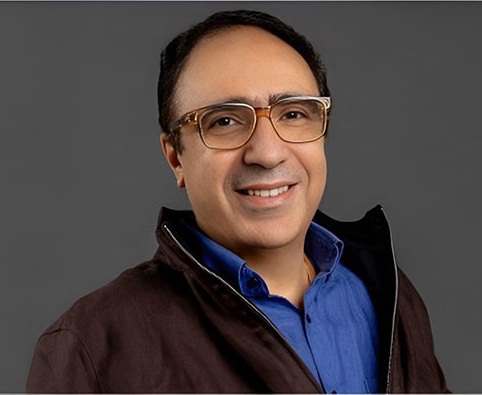
Mr. Rama Krishna, CEO, Co-Founder – EndureAir Systems says “Being the key player in the drone industry, we have keenly observed the ever-evolving landscape of the global drone security market. The market is experiencing unprecedented growth at CAGR of 14.5 per cent between 2021-26 according to IBEF, driven by technological advancements, regulatory developments, and increasing adoption across various sectors. These advancements are enhancing the capabilities of drones, enabling real-time data analysis, quick decision-making, and predictive maintenance”.
He adds “As drones become more integral to national security and its operations, protecting these systems is of the utmost importance. There is an increasing demand for drones in critical infrastructure surveillance and defense applications. Drones offer unparalleled advantages in monitoring, inspection, and emergency response, making them invaluable tools for enhancing security and operational efficiency”.