As global air travel continues to rebound, the TSA’s latest initiative signals a broader ambition
In a move poised to transform the airport experience for millions of travellers, the United States Transportation Security Administration (TSA) is turning to the private sector for help. On 25 July 2025, the agency issued a Request for Information (RFI), seeking innovative, market-ready technologies that could enhance security and streamline passenger processing at checkpoints.
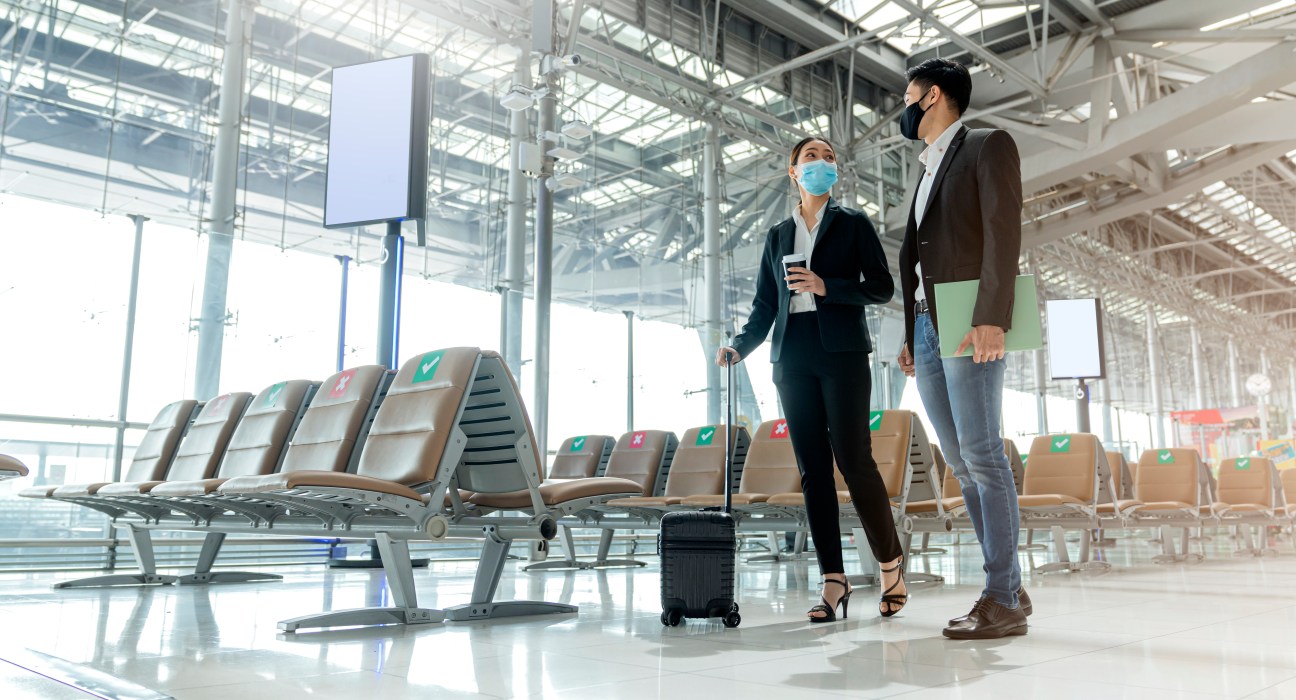
As global air travel continues to rebound, the TSA’s latest initiative signals a broader ambition: not only to strengthen aviation security, but also to reduce wait times, cut operating costs, and minimise the friction passengers face at checkpoints.
“TSA is constantly looking for innovative private-sector solutions to enhance security and improve the passenger experience at TSA checkpoints,” said Ha Nguyen McNeill, Acting TSA Administrator. “As we enter a golden age of travel, we need to evolve how we screen passengers to make the process more seamless, secure, and respectful.Pushing the Boundaries of Automation and AI
Among the areas of focus outlined in the RFI are artificial intelligence-enabled threat detection, robotics for inspection tasks, remote screening capabilities, and advanced self-service systems that reduce the need for manual intervention. The TSA is especially interested in turnkey solutions—technologies that are ready to deploy, interoperable with cloud systems, and capable of operating under varying passenger volumes and staffing levels.
The announcement builds on recent changes in TSA policy, including the end of the decades-old rule requiring travellers to remove their shoes at checkpoints—an update made possible through enhanced body and CT scanners. This change signalled a renewed focus on less invasive, more technologically sophisticated screening methods.
Increased automation, advocates argue, could allow Transportation Security Officers to spend less time on routine tasks and more time on anomaly detection and passenger engagement. The potential benefits include reduced bottlenecks, higher accuracy, and improved safety for both travellers and staff.
Balancing Innovation With Accountability
Still, the integration of AI and biometric tools into airport security is not without challenges. Privacy, data protection, and accessibility remain key concerns. TSA’s RFI notes that all proposed technologies must meet stringent ethical, operational, and regulatory standards, including those related to equity and civil rights.
Experts caution that for these innovations to succeed, they must accommodate diverse needs—from families with children to individuals with disabilities—without creating new forms of exclusion or surveillance overreach.
Despite these caveats, industry leaders have welcomed the move as a signal that TSA is ready to modernise in earnest.“We’re pleased to support TSA’s effort to identify effective, efficient, and scalable private-sector solutions,” said Michael Washington, Vice President of Public Sector Programs at Advanced Security Systems Inc. “Modern checkpoints should reflect the pace of innovation happening elsewhere in the travel industry—and this is a critical step in that direction.”
As the TSA reviews submissions following the 1 August deadline, stakeholders across the travel and security sectors will be watching closely. The agency’s openness to innovation could mark the beginning of a quieter, faster, and more secure future for airport screening.