Most security teams use video surveillance regularly, with 91 per cent employing it either daily (82 per cent) or weekly (9 per cent)
Video surveillance has become a cornerstone of security in U.S. K-12 schools, higher education institutions, and healthcare facilities, with nearly all such organisations employing the technology daily. These findings come from the 2024 Video Surveillance Survey conducted by Campus Safety magazine, which gathered insights from nearly 200 campus security and police executives.
Widespread Adoption and Expansion Plans
According to the survey, 98 per cent of respondents reported having at least one video surveillance system. Furthermore, 59 per cent of participants expressed plans to expand, update, or replace their existing systems within the next two years, highlighting the technology’s growing significance in campus safety strategies.
Key Features and Frequent Usage
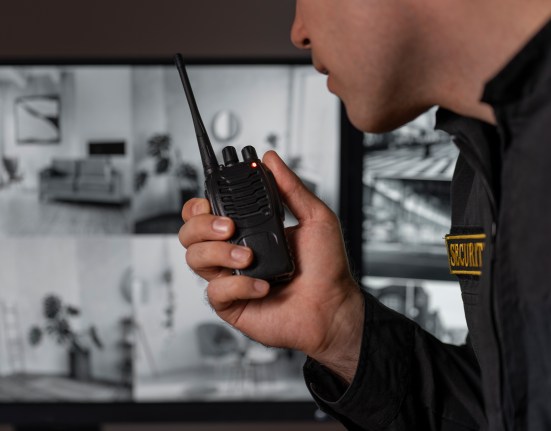
Most security teams use video surveillance regularly, with 91 per cent employing it either daily (82 per cent) or weekly (9 per cent). Beyond monitoring, these systems are proving critical in investigations, with 71 per cent of respondents stating that their surveillance setups frequently provide evidence—a significant rise from 61 per cent two years ago.
Similarly, 83 per cent of respondents indicated their systems often act as force multipliers, enhancing the reach and effectiveness of security personnel. Cameras were also credited with preventing crimes, with 78 per cent of participants stating they either frequently (23 per cent) or sometimes (55 per cent) deter unlawful activities.
Versatility Beyond Crime Prevention
Beyond crime prevention and investigation, video surveillance systems have been increasingly utilised for broader safety needs. Nearly 89 per cent of respondents said their cameras assist in monitoring during events such as weather emergencies, athletic games, concerts, or protests.
Preferred Areas for Surveillance
Survey results showed that the most common application for video surveillance was monitoring entrances and exits (92 per cent). Other priorities included overseeing perimeters (76 per cent) and parking facilities (69 per cent). Institutions like hospitals and universities were more likely to use video cameras to secure areas prone to theft (35 per cent and 49 per cent, respectively) compared to K-12 schools (19 per cent).
Evolving Role of Video Surveillance
The survey underscores the expanding role of video surveillance in ensuring campus safety. While its primary function remains crime prevention, the technology’s applications are broadening to encompass emergency management and operational efficiency. As more institutions plan upgrades, the integration of advanced features such as artificial intelligence could further bolster its effectiveness in the coming years.
This widespread adoption and evolving utility reaffirm the indispensable role of video surveillance in creating safer campus environments.