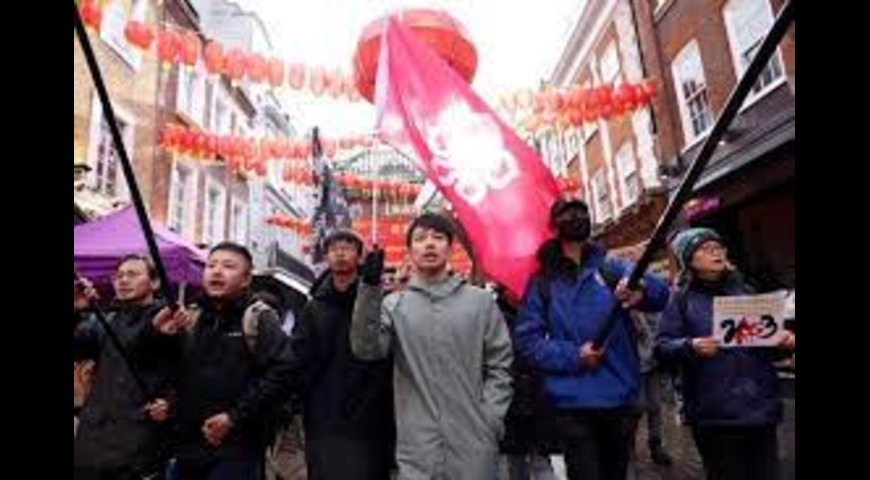
The passing of Article 23 marks a departure from Hong Kong’s past political landscape, with the Legislative Council now resembling China’s “rubber stamp” parliament
On March 19, the Legislative Council of Hong Kong unanimously passed Article 23 into its mini-constitution, known as the Basic Law, despite the opposition of the majority of Hong Kong residents. This move fulfills a longstanding ambition of the Chinese Communist Party (CCP) and Chairman Xi Jinping to enact security regulations aimed at quelling dissent against the ruling regime.
The haste with which Article 23 was pushed through the Legislative Council is evident from the fact that Chinese state-owned broadcaster CCTV reported the results on social media even before the council members had begun voting. This rush underscores the CCP’s eagerness to implement the law, which was met with unanimous approval from council members considered loyal to Beijing.
The passing of Article 23 marks a departure from Hong Kong’s past political landscape, with the Legislative Council now resembling China’s “rubber stamp” parliament, the National People’s Congress. The expedited process, deviating from standard procedures, reflects the urgency with which the law was enacted.
Article 23 introduces stringent measures aimed at safeguarding national security, including harsh penalties such as life imprisonment for offenses like treason and sabotage. Proponents argue that these measures are necessary to ensure public safety, but critics fear the law’s broad scope and ambiguous language could be exploited to suppress dissent and curtail freedoms.
The law criminalises acts such as treason and insurrection, as well as activities deemed as external interference, potentially targeting foreign entities, political parties, and individuals. Punishments for offenses range from lengthy prison sentences to restrictions on legal representation and closed-door trials, raising concerns about due process and transparency.
The government claims overwhelming public support for the law, citing a 97 per cent approval rate during a consultation period. However, critics argue that such figures are misleading, as dissenting voices have been silenced or marginalised by previous security legislation and the atmosphere of fear pervading Hong Kong society.
International condemnation of Article 23 has been widespread, with concerns raised about its impact on human rights and freedoms. Critics warn that the law could have a chilling effect on lawful conduct and impede legitimate reporting, further eroding Hong Kong’s autonomy and rule of law.
The law’s enactment represents a significant shift in Hong Kong’s political landscape, bringing it further under China’s influence and raising fears of increased repression and surveillance.
Many residents express apprehension about the law’s implications for their freedom of speech and personal safety, with some considering leaving Hong Kong to escape its reach. the passing of Article 23 signifies a decisive move by the Chinese Communist Party to tighten its grip on Hong Kong, despite widespread opposition and international criticism. The law’s broad and ambiguous provisions raise concerns about its potential misuse and the erosion of civil liberties in the region.