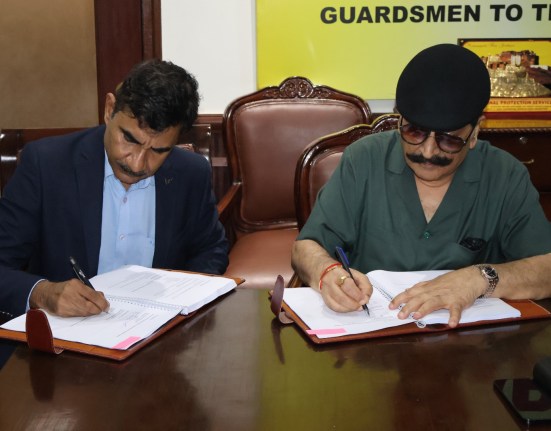
The decision to deploy drone countermeasures comes in the wake of rising concerns over national security
Security at the Taj Mahal is set to be significantly strengthened with the installation of a high-tech anti-drone system aimed at neutralising aerial threats. A senior official confirmed the development on Sunday, noting that the measure adds a crucial layer of protection to the monument, which is currently guarded by the Central Industrial Security Force (CISF) and the Uttar Pradesh Police.
The decision to deploy drone countermeasures comes in the wake of rising concerns over national security. On 7 May, India conducted targeted airstrikes under Operation Sindoor, aimed at nine terror hubs in Pakistan and Pakistan-occupied Kashmir. The action followed the Pahalgam massacre and prompted retaliatory attacks from Pakistan, including drone incursions, missile strikes and artillery shelling. While Indian forces successfully intercepted these threats, the incident underscored the growing need for advanced drone defences at high-value locations.
Speaking about the planned deployment, Assistant Commissioner of Police (Taj Security), Syed Arib Ahmad, said: “An anti-drone system will be installed at the Taj Mahal complex. The system will have a range of 7–8 kilometres but will be most effective within a 200-metre radius around the main dome.”
Ahmad explained that the new security solution is designed to disable unauthorised drones using a “soft kill” method, which involves jamming the communication signals of aerial devices. This technique allows drones to be neutralised mid-air without causing debris damage on the ground. In preparation for the system’s rollout, a specialised police unit is being trained in operating the technology.
“The team will trace the origin of the drone and secure the location where it is brought down,” Ahmad added, emphasising the need for swift response and source identification. The installation is expected to be completed in the coming days.
As a UNESCO World Heritage Site and one of India’s most visited landmarks, the Taj Mahal is a cultural symbol with deep national significance. Given its prominence, enhancing its security remains a top priority for both state and central authorities.
The introduction of anti-drone technology marks a proactive move in safeguarding the monument against emerging aerial threats, especially in a climate of heightened geopolitical tensions. Once operational, the system is expected to offer enhanced situational awareness and quicker response times in the event of a potential threat.