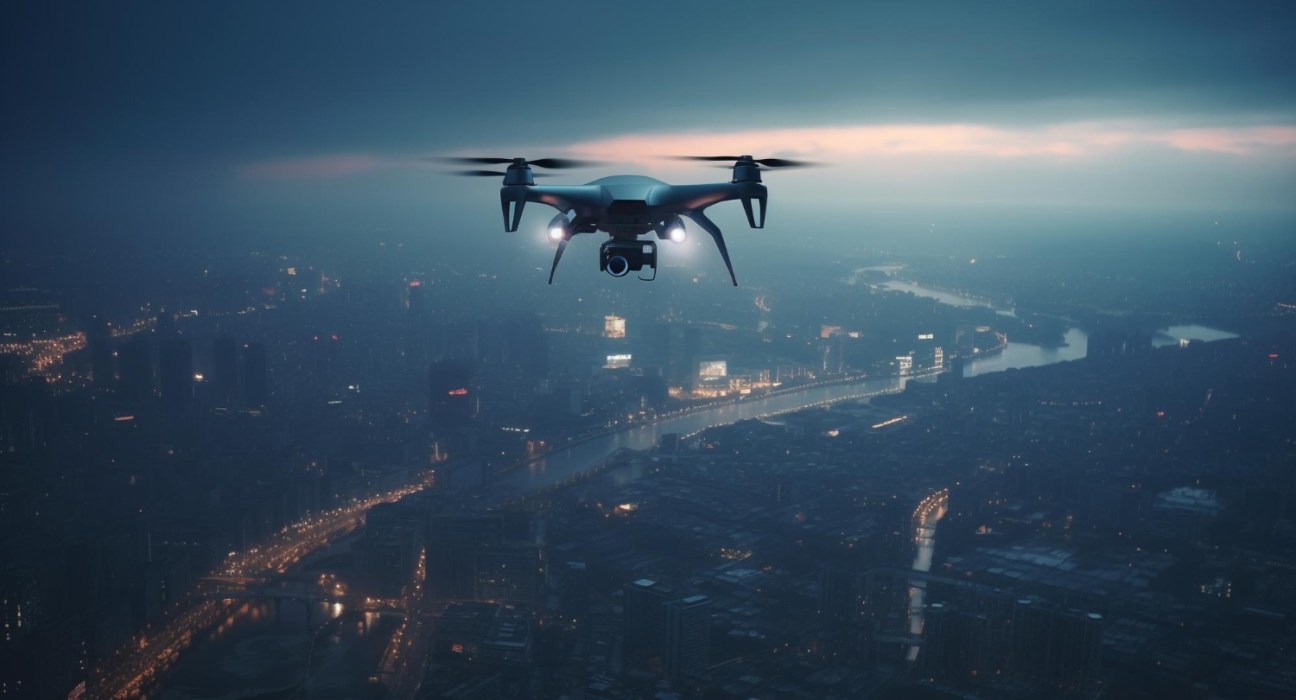
Russian Drone Incursion Prompts Polish Military Action, Sparking Fears for European Air Travel
A recent incursion by several Russian drones into Polish airspace has raised serious concerns over the safety of civil air travel across Europe and sparked a coordinated military response.1 In a significant escalation of the conflict in Ukraine, the Polish military, in coordination with NATO allies, shot down the incoming unmanned aircraft, marking the first time a member of the alliance has fired in direct response to Russian aggression.2
The incident triggered the temporary closure of several major Polish air hubs, including Warsaw Chopin, Modlin, and Rzeszow airports. While operations resumed after a short delay, the breach has underscored the growing vulnerability of civil aviation in the face of ongoing geopolitical instability.3
The breach poses a significant risk to Europe’s impending autumn tourism season. The continent’s tourism industry is closely tied to air travel, but a new layer of security concerns, delays, and the prospect of flight cancellations could make travel less appealing for visitors.4
Airlines are already facing the consequences, with increased operational costs from rerouting flights around a growing number of airspace closures across Eastern Europe.5 These costs are likely to be passed on to passengers, leading to higher ticket prices and adding a financial strain to a sector still recovering from the pandemic.
The economic fallout was immediately felt in the markets. Following the incursion, shares in airlines across the continent declined. British Airways owner IAG saw its stock fall by 4.1 per cent, while easyJet and Lufthansa both experienced drops of over 2% by the end of the trading day.
The drone incident is being viewed by aviation and security experts as a pivotal moment for European airspace. The growing instability in the region is expected to lead to more frequent incursions, forcing governments and airlines to adopt stricter security measures.6
Potential future actions to safeguard airspace could include tighter regulations, an increased military presence to protect flight paths near conflict zones, and upgrades to air traffic control systems to detect and neutralise threats.
Experts are calling for a unified approach, urging European governments and organisations like the EU and NATO to establish clear guidelines for protecting civilian airspace.7 The incursion serves as a stark reminder that as the conflict continues, the safety and security of European air travel, and the tourism it supports, will be increasingly challenged.