Facility managers are transforming sustainable buildings by leveraging data, real-time monitoring and operational strategies, ensuring continuous efficiency, occupant well-being and measurable progress toward India’s net zero and ESG goals
India’s push towards sustainable infrastructure and its long-term net-zero commitment is reshaping how buildings are designed, operated and evaluated. With increasing pressure on organisations to align with ESG goals, the focus is steadily shifting from one-time green certifications to continuous performance, data-driven operations and occupant well-being. In this evolving landscape, facility management is emerging as a crucial function in ensuring that sustainability targets are not only met but consistently improved over time.
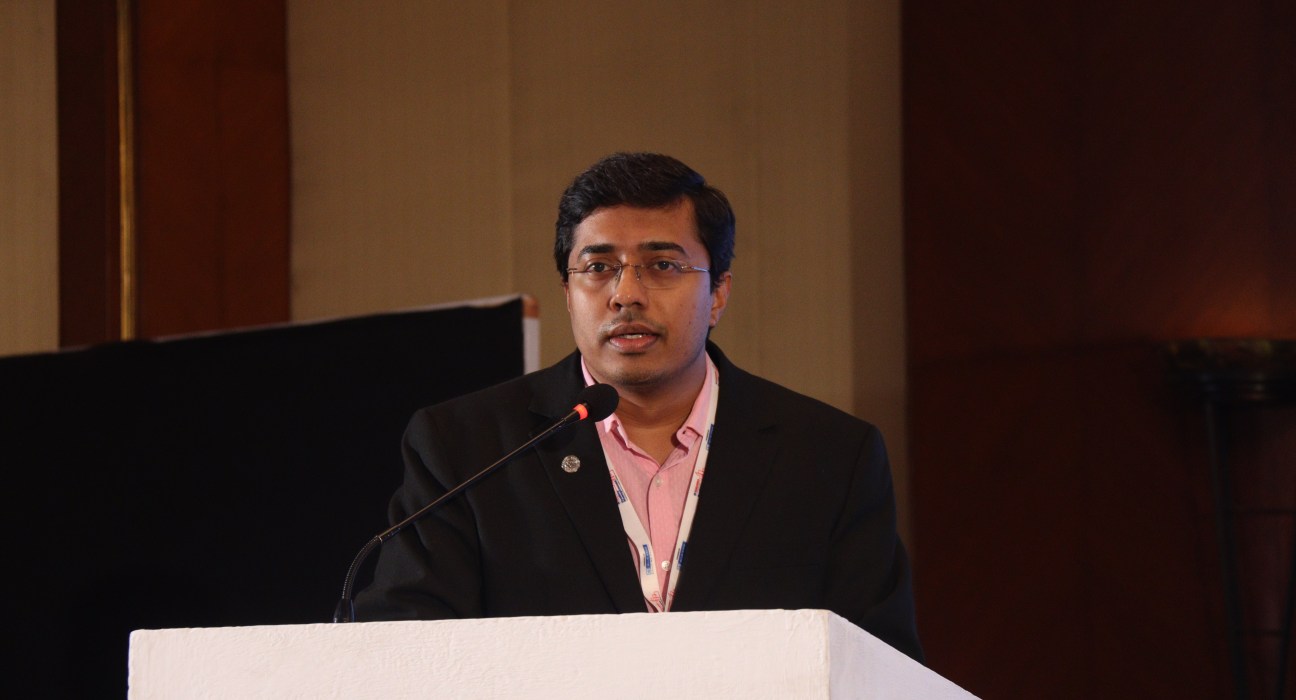
Against this backdrop, George Abraham, Associate Director – Market Development at the Green Business Certification Inc., highlighted how facility management can drive sustainability excellence and accelerate India’s transition towards net zero.
From Certification To Continuous Performance
Abraham outlines the role of the U.S. Green Building Council and its globally recognised LEED (Leadership in Energy and Environmental Design) certification system, noting that its value extends far beyond construction.
“LEED is not just a certificate or a plaque on the wall. It is a continuous process that looks at energy, water, waste and human health across the building lifecycle,” he says.
He explains that while building design and construction (BDC) certification remains valid for a building’s lifetime, organisations must prioritise operations and maintenance to sustain and enhance performance. “We always advise developers not to stop at BDC. Moving into operations and maintenance helps maintain efficiency and provides a competitive advantage,” he adds.
Facility Managers As Sustainability Enablers
Emphasising the role of facility managers, Abraham notes that their responsibilities now extend beyond routine maintenance to strategic sustainability implementation.
Facility teams collect and analyse data across key parameters such as energy consumption, water usage, waste management, transportation patterns and occupant experience over 12 months.
“This data forms the basis of a sustainability score. It enables facility managers to identify gaps, benchmark performance and implement targeted improvements,” he says.
He also points to the growing role of technology. “With IoT-enabled systems and real-time data platforms, organisations can demonstrate measurable outcomes. This transparency is critical, especially when addressing concerns around greenwashing,” Abraham notes.
India’s Growing Leadership In Green Buildings
Highlighting India’s progress, Abraham shares that the country ranks second globally in LEED-certified projects, excluding the United States.
“This reflects the strong commitment from Indian developers and organisations towards sustainability and net zero goals,” he says.
He adds that policy support plays a vital role in accelerating adoption. Incentives from central and state governments encourage developers across tier I, II and III cities to adopt green building practices.
“India is not just keeping pace, it is emerging as a global leader in sustainable buildings,” he remarks.
Moving Towards Net Zero
Linking building performance to national climate goals, Abraham discusses India’s target of achieving net zero emissions by 2070 and the role of LEED Zero in supporting that journey.
“Net zero is not something that needs to be achieved overnight. It is a phased approach. Organisations can start with smaller, achievable interventions and scale up,” he explains.
LEED Zero evaluates buildings across four parameters: carbon, energy, water and waste, helping organisations balance consumption with reduction and avoidance strategies.
“Facility managers are central to this transition because they are the ones implementing these strategies on a day-to-day basis,” he adds.
Abraham also highlights the increasing emphasis on occupant well-being within sustainability frameworks.
“We are moving beyond efficiency metrics to focus on human experience. Indoor air quality, comfort and overall wellness are now integral to how buildings are evaluated,” he says.
He notes that occupant surveys and feedback mechanisms are being incorporated into assessment frameworks to better understand user experience.
The Next Phase Of LEED Evolution
Looking ahead, Abraham speaks about the upcoming LEED Version 5, which introduces a sharper focus on decarbonization, quality of life and ecological conservation.
“The next phase is about going deeper into impact areas such as operational and embodied carbon, while also strengthening the focus on human health and ecosystem restoration,” he says.
He adds that the updated framework will make sustainability standards more robust and aligned with global priorities.
Addressing industry challenges, Abraham points out the gap between the growing number of green projects and the availability of trained professionals.
“To truly scale sustainability, we need to invest in education and skill development. Green building knowledge must become part of professional KPIs,” he says.
He highlights the availability of training programs, certifications and educational resources aimed at building capacity within the workforce.
A Collaborative Path Forward
Concluding his address, Abraham emphasises the need for collaboration across stakeholders to achieve meaningful progress.
“Sustainability requires alignment across developers, facility managers, policymakers and financial institutions,” he says.
He adds that data-backed performance and transparency will play a key role in unlocking sustainable finance and building long-term credibility.
“In the end, it is about creating spaces that are efficient, resilient and healthier for occupants. Facility managers are at the core of making this vision a reality,” Abraham concludes.
By: Garima