High-priority areas, such as main gates and emergency services, have been equipped with selective AI-enabled cameras to enhance monitoring
In response to growing concerns about security, the All India Institute of Medical Sciences (AIIMS) in Delhi has taken significant steps to bolster safety on its campus. The measures come in the wake of the RG Kar Medical College incident in Kolkata, prompting the institution to reevaluate its security protocols.
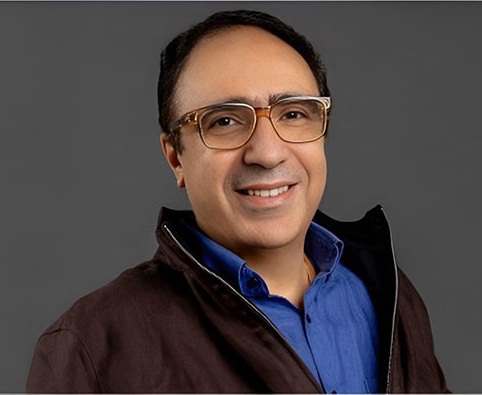
Dr M Srinivas, Director of AIIMS Delhi, stated that a thorough “gap analysis” was conducted to identify vulnerabilities across the campus. As part of the initiative, artificial intelligence (AI)-enabled CCTV cameras have been installed at key areas considered high-risk.
“We have done a gap analysis after the RG Kar incident. In particular areas, we have installed artificial intelligence… Once we are very happy that particular artificial intelligence and that particular software are working, we will put this on the entire campus,” Dr Srinivas explained.
He added that this deployment is part of an ongoing process and will take time as the system undergoes rigorous testing and refinement. “It will take some time. We are also doing a lot of experiments on that. But you can see that a lot of the actions have happened post the RG Kar incident here,” he said.
High-priority areas, such as main gates and emergency services, have been equipped with selective AI-enabled cameras to enhance monitoring. Dr Srinivas emphasised that data from these areas will be tracked and analysed, with decisions on broader implementation based on achieving at least 95 per cent satisfactory results.
“In an era where technological advancements are constantly reshaping security, facial recognition technology has emerged as a crucial tool for surveillance and security purposes,” he added.
In October this year, AIIMS introduced a facial recognition-based access control and management system as part of a pilot project in the Mother and Child Block. This initiative aimed to strengthen security in wards and intensive care units (ICUs), marking a major step towards integrating technology-driven solutions for safety.
The new measures reflect AIIMS Delhi’s commitment to creating a secure environment for its staff, patients, and visitors. While the implementation process is ongoing, these advancements underline the growing role of artificial intelligence in modern surveillance and security systems.