As sustainability becomes a central focus across industries, leaders from real estate, cinema, and manufacturing discuss the transformative power of ESG (Environmental, Social, and Governance) principles in shaping operations, enhancing energy efficiency, and fostering a culture of social responsibility
As sustainability becomes central to business operations, it is evident that creating a positive environmental impact is no longer optional but essential. Leaders across industries—ranging from real estate to cinema and manufacturing—are discussing how sustainability is transforming sectors and influencing the built environment.
Viewing Sustainability Through ESG Lens
N Shridhar, CEO of Real Estate & Infrastructure at Hiranandani Group, stresses that sustainability and climate impact should be seen as integral to every operation. He emphasizes that every activity must be considered through an ESG (Environmental, Social, and Governance) lens. Shridhar believes that ESG principles can turn what was once viewed as a cost center into a valuable resource. The focus must shift from merely cutting costs to optimizing value, ensuring that operational activities align with broader sustainability goals.
Facility Management: Driving ESG Goals
Navinder Narang, Head of Infrastructure, Facilities & ESG, underscores the critical role of facility management in advancing ESG goals. He points out that even if a company has not fully embraced sustainability, facility managers can play a pivotal role by fostering a culture of commitment and aligning operational practices with ESG principles. Without this culture, ESG efforts risk remaining theoretical rather than practical.
Integrating ESG into Operations: A Strategic Investment
Asha Pathania, Senior VP of Housekeeping at PVR INOX Cinemas, highlights how the company has integrated ESG principles into its operations. She explains that ESG is viewed as an investment, not an expense, with top management backing initiatives like eliminating single-use plastics and implementing waste reduction strategies. With operations across 116 cities, PVR INOX’s approach to sustainability
is deeply embedded in the company culture, ensuring that every department contributes to minimizing environmental impact.
Technology’s Role in Sustainable Infrastructure
Srinivasan Mani, Deputy General Manager – Sales & Marketing (Scroll & Screw Chillers) at Blue Star, discusses how technology plays a significant role in creating sustainable infrastructure. He notes that IoT and remote monitoring technologies are revolutionizing energy efficiency. By using energy-efficient products and real-time performance monitoring, companies can proactively reduce their carbon footprint and optimize maintenance.
N Shridhar further elaborates on how smart technologies, such as digital twins, building management systems, and smart metering, are reshaping energy efficiency. Innovations like district cooling systems are helping large developments reduce energy use by up to 30%, significantly lowering their carbon footprint. Shridhar emphasizes the importance of viewing sustainability through the lens of long-term ownership costs rather than focusing on upfront investments.
Retrofitting for Sustainability: PVR INOX’s Achievements
Asha Pathania shares insights into PVR INOX’s retrofitting efforts, noting that 17 cinemas across India have been retrofitted for better sustainability. These efforts have led to the saving of 3,000 tons of carbon emissions and have resulted in significant cost savings. This initiative demonstrates the potential for scaling sustainable practices across a growing network of cinemas.
ROI Considerations: Greenfield vs Brownfield Projects
Srinivasan Mani explains the different ROI considerations for greenfield versus brownfield projects. In greenfield developments, energy-efficient solutions typically offer a payback period of two years. However, retrofitting existing buildings (brownfield projects) can take up to five years. He argues that while ROI is important, it should not be the sole determinant of sustainable decisions.
Long-Term Sustainability & Employee Well-Being
Navinder Narang discusses the challenge of balancing short-term investments with long-term sustainability goals. He highlights how ICC’s approach to modular office designs allows for flexibility and cost optimization, all while focusing on total
lifecycle costs. Narang stresses the importance of creating a culture that integrates sustainability into the workplace environment.
N Shridhar also emphasizes that ESG efforts must consider the well-being of individuals. With the rise of hybrid work culture post-pandemic, the need for sustainable facilities that promote both environmental responsibility and employee well-being has become more critical. Sustainable spaces that offer natural light, wellness programs, and improved air quality contribute to better employee satisfaction and productivity.
Social Sustainability & Community Care
Asha Pathania reflects on the impact of the COVID-19 pandemic, explaining how PVR INOX adapted by embracing digital engagement and prioritizing the mental well-being of employees and patrons. She shares that this focus on community, care, and resilience played a significant role in rebuilding trust within the company and reaffirming the importance of social sustainability.
Srinivasan Mani echoes the importance of corporate responsibility toward employees and communities. He shares how Blue Star not only supports its employees through schemes for low-income workers but also takes a broader approach to environmental and social well-being.
The Shift in Workplace Environment Expectations
Navinder Narang emphasizes that there has been a shift in how companies view the workplace environment. Employees are no longer just seeking efficiency; they want workspaces that promote work-life balance and align with their values. The need for greener and more sustainable practices is now seen as integral to fostering a positive and productive work environment.
Embracing ESG Principles For Sustainable Future
Experts’ opinions reflect a growing recognition that sustainability is not only about the environment but also about people and communities. As industries continue to evolve, embracing ESG principles will be key to ensuring a sustainable and prosperous future for al
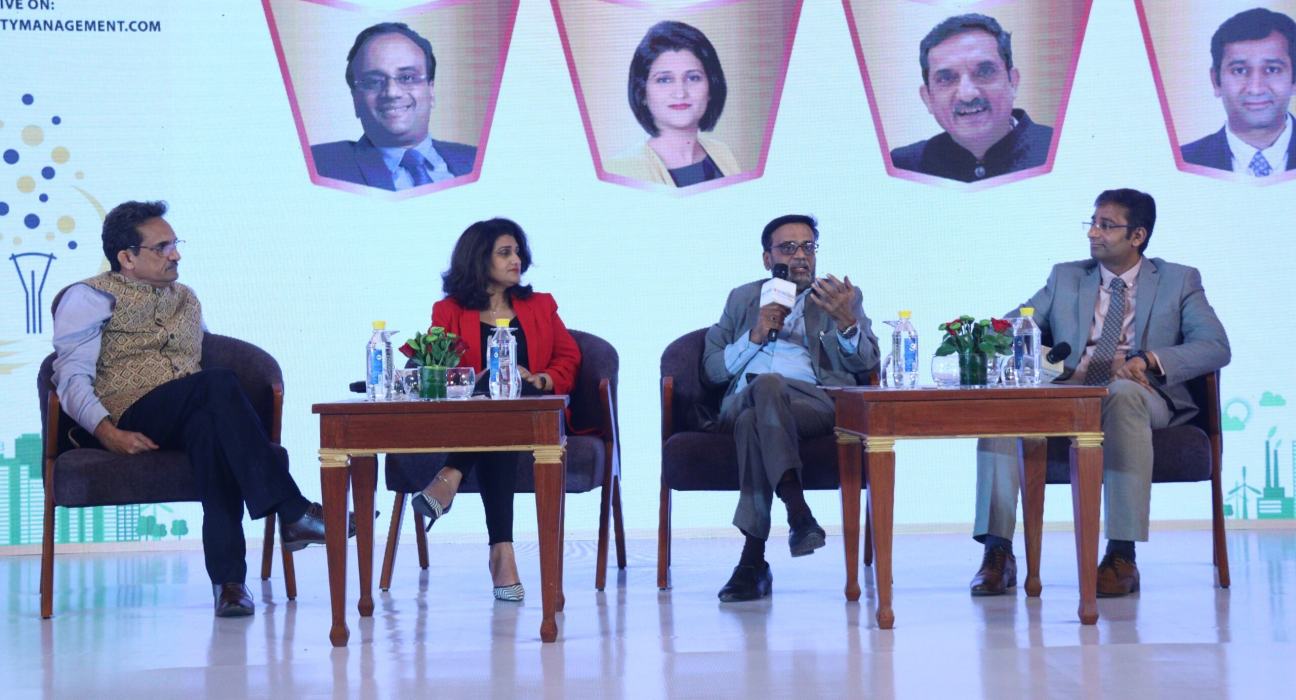
The experts shared their opinions as part of panel discussion on “Sustainable Facilities for a Greener Tomorrow ,Merging Efficiency with ESG Impact” held at the recent 2nd Edition of BW Facility Management 40 Under 40 Awards 2025. The session was moderated by N Shridhar, CEO – Real Estate & Infrastructure, Hiranandani Group.
By Arya Rakshita