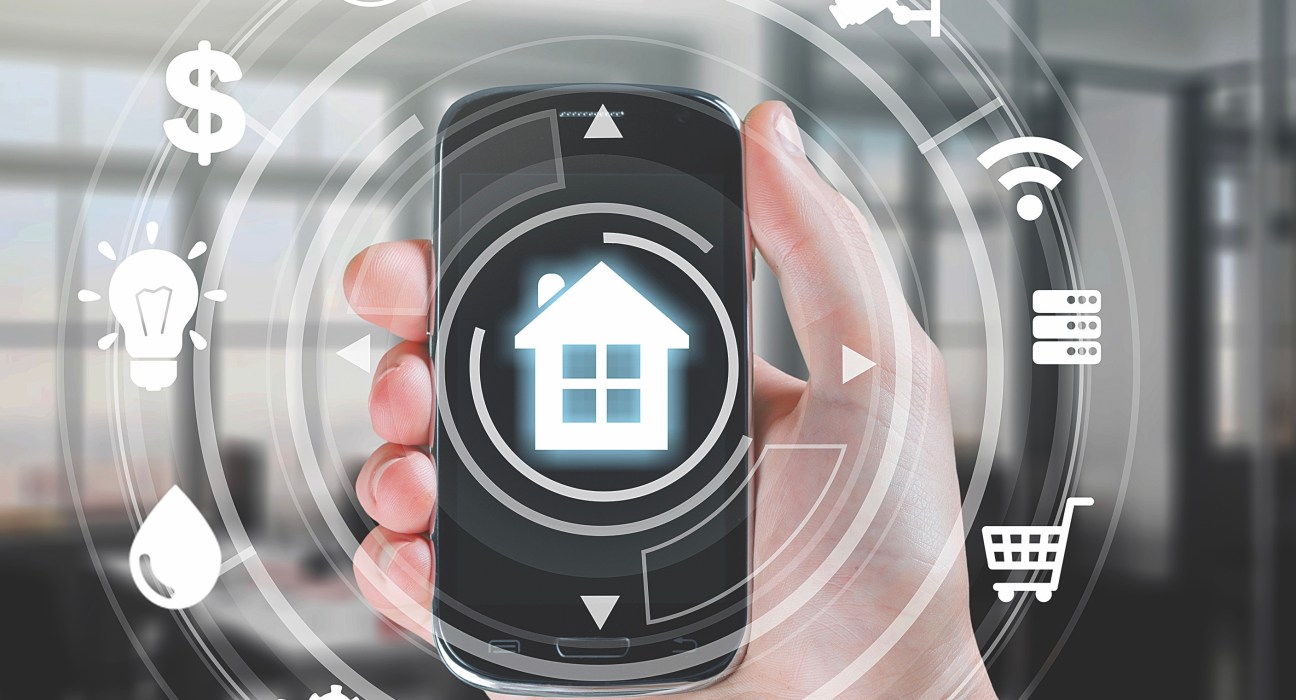
Looking globally, the home security systems market is poised for substantial growth, projected to expand from $56.9 billion in 2022 to $84.4 billion by 2027
In India, whether you reside in a standalone house or a towering high-rise, your home security is a paramount concern. The conventional methods of safeguarding your home, such as sturdy doors and watchmen, are no longer adequate in the face of increasingly sophisticated criminal techniques.The changing landscape of family structures, with more nuclear families, and the rising income levels in urban areas have intensified the demand for robust home security systems. Consumer research underscores the need to transition to more technologically advanced security solutions, minimising human errors. A well-rounded electronic security system for residential use comprises three main components: nAccess Control: This includes door controllers and readers. It regulates who can enter your premises. nIntrusion Detection: This involves burglary and fire alarms to alert you in case of unauthorised entry or emergencies. Video Surveillance Systems: Advanced CCTV systems and video door phones offer real-time monitoring.The advantages of integrated systems are evident. They reduce initial investment costs, centralise training, and minimise ongoing administrative and maintenance expenses. Notably, video surveillance systems have seen remarkable progress in recent years. Modern CCTV systems can transmit real-time video feeds over IP networks to devices like smartphones and tablets.
Developers have cleverly started offering these integrated security solutions as part of their home automation packages, allowing them to command premium prices for these services. This trend is especially noticeable in the luxury real estate sector, where cutting-edge security technologies are becoming an integral part of home automation in residential projects. The market for home automation systems within housing societies is currently valued at around Rs 150 crores (excluding standalone properties), and it is anticipated to grow at a rate of 15 per cent. As affluence increases and security concerns multiply, this growth is expected to gain momentum.
Looking globally, the home security systems market is poised for substantial growth, projected to expand from $56.9 billion in 2022 to $84.4 billion by 2027, reflecting a robust CAGR of 8.2 per cent.
The Future Of Connected Home Security
The future of connected home security systems is bright, as advancements in technology, such as machine learning and artificial intelligence, are increasingly being integrated into security devices. These innovations improve threat detection and minimise false alarms while enhancing access control through more accurate facial recognition technology.The Internet of Things (IoT) has significantly transformed the security landscape, shifting from traditional deterrence-based methods to a more proactive “intervention and prevention” approach. IoT networks enable continuous security system operation, gathering real-time data for professional monitoring and cross-referencing. By analysing extensive data sets, these interconnected devices can identify potential security vulnerabilities based on patterns and anomalies, allowing homeowners and business owners to address threats before they materialise.
IoT-based security solutions offer substantial benefits for both professional and DIY systems. Wider connectivity options in DIY solutions enhance system robustness, while networks like LTE-M provide low power consumption, enabling devices to function during Wi-Fi lapses and maintain operation during emergencies. These networks also facilitate remote real-time monitoring via smartphones or tablets, aligning DIY systems with professional counterparts’ capabilities. An array of IoT-based security solutions is emerging, including auto-lock cabinets, pressure sensors, and keycard readers. These devices can be activated in real-time to counter potential intrusions, ensuring comprehensive home and business security.
The Power Of Connectivity
When predictive analytics, remote surveillance, and interconnected ecosystems combine with professional insights and monitoring, IoT-based security systems are poised to set a new standard. They empower homeowners and business owners to anticipate and prevent potential threats with a level of confidence previously unseen.
Enhanced Convenience & Peace Of Mind
One of the key benefits of connected homes is the convenience they offer. Homeowners can remotely access and control their security systems via smartphones or other connected devices. Real-time notifications and alerts keep them informed about any suspicious activities or emergencies. Whether it’s checking the live feed from a security camera or granting access to a trusted visitor via a smart lock, connected home security systems provide peace of mind and flexibility.
Integration & Customisation
The home security systems market is evolving to provide seamless integration with other smart home appliances. Homeowners can create automation rules that connect security systems with other smart home elements, tailoring them to their specific needs and preferences. For example, security cameras can be linked to voice assistants for easy access to live feeds, while motion sensors can trigger lights when someone enters a room.
Video Surveillance Systems Leading The Way
In the home security systems market, video surveillance systems will hold the largest share in 2022. Hardware products, such as cameras, monitors, servers, storage units, and other accessories, are central to video surveillance systems. These hardware products are cost-effective and technologically advanced.