

Private Guards Are India’s First Line of Defence: Gen Dwivedi
India’s private security workforce is more than a guard at the gate, former Army chief General Upendra Dwivedi said on Friday. He described its personnel as the country’s first line of defence and its largest human sensor network.
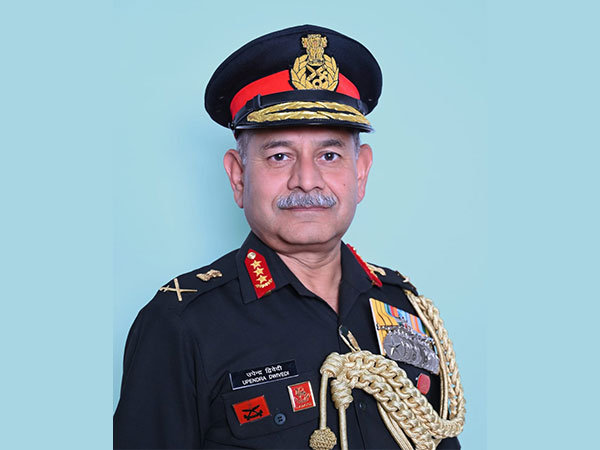
Former Army chief calls for ‘Private Security 2.0’, built on technology, training and respect for a workforce of over one crore.
India’s private security workforce is more than a guard at the gate, former Army Chief General Upendra Dwivedi said on Friday. He described its personnel as the country’s first line of defence and its largest human sensor network.
Addressing the inaugural session of the 21st Annual Security Leadership Summit, organised by the Central Association of Private Security Industry (CAPSI) at the Constitution Club of India in New Delhi, General Dwivedi called for a transformation of the sector through modern technology, better training, professional competence and wider social recognition. He presented his vision of ‘Private Security 2.0’, resting on three principles: pride, professionalism and partnership.
A workforce larger than the police
According to estimates cited by CAPSI, more than one crore people work for over 35,000 private security agencies across the country. General Dwivedi pointed out that this is significantly larger than the combined strength of the police and the Central Armed Police Forces. These personnel, he noted, protect critical establishments such as power plants, coal mines, industrial units, hospitals, ports and data centres.
Training, pay and professional identity
He said guards must receive regular training, skill-based certification and better remuneration. He welcomed initiatives to recognise their qualifications on the basis of work experience and to create a distinct professional identity for them as ‘Guarding Officers’. He also urged agencies to pay salaries through banks and to ensure employees receive social security benefits, including provident fund, insurance and accident coverage.
Preparedness, he stressed, should be part of the job. Every guard should be trained to spot suspicious activity, report potential threats promptly and act when needed. First aid, firefighting, disaster management and responses to drone threats should also form part of their skill set.
Technology with a human decision-maker
On artificial intelligence and emerging technologies, General Dwivedi said machines can assist with surveillance and information gathering, but the final decision must rest with a trained human being. He also called for stronger coordination among private security agencies, police, fire services, civil defence and citizens.
“Providing dignity and respect to security personnel is the responsibility of society as a whole,” he said, stressing the need for fair wages, serious training and sustained respect for the workforce.
Civil defence and recognition
Sunil Kumar Jha, Director General of Civil Defence and Home Guards, said Prime Minister Narendra Modi had emphasised making civil defence more vibrant and modern. This goal, he said, could be achieved more effectively with the cooperation of the private security sector. Encouraging private security personnel to register voluntarily as civil defence volunteers, he added, would be an important step towards strengthening internal security.
CAPSI Chairman Kunwar Vikram Singh said the Central Government had accepted the association’s proposal to recognise private security guards as ‘Guarding Officers’ in the future. The move, he said, would give more than one crore personnel greater social dignity and professional recognition.