Empowering Security Guards with the Skills and Support They Need to Keep Us Safe
Security guards are the unsung heroes who dedicate their days and nights to safeguarding lives, properties, and businesses. Whether at corporate offices, residential complexes, or public events, they are often the first line of defence, ensuring that everyone else can rest easy. But have you ever considered what happens when a security guard faces a genuine threat? Are they trained enough to handle high-stakes situations? The answer, too often, is no.
Security guards encounter significant risks, and without the right training and resources, they’re left vulnerable. They work under immense pressure, which often leads to health issues—both physical and mental—that may go unnoticed until it’s too late. Supporting their well-being and ensuring their readiness is not just a corporate responsibility; it’s a moral one. They deserve respect, attention, and, above all, training that empowers them to protect others while ensuring their own safety.
Why Training Matters? The Fundamentals
Effective security guard training goes beyond the basics. Comprehensive training addresses mental, physical, and emotional resilience, helping guards stay fit and alert. When security personnel are prepared with knowledge and skills, they can handle emergencies confidently and calmly, protecting those under their watch. A well-trained guard can be the difference between safety and crisis.
The training should encompass foundational skills, such as self-awareness and situational vigilance, which help guards remain alert and make quick decisions. Additionally, guards should have access to safety gear and be prepared to manage unexpected challenges.
Core Training Essentials for Security Guards
Ensuring security guards are adequately trained and equipped should be a top priority. Here are essential areas that a robust training programme should cover:
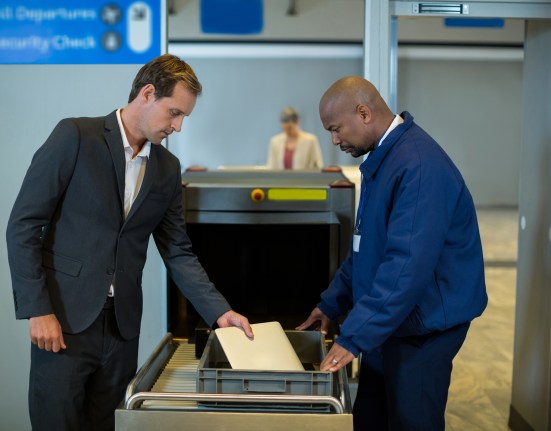
Basic Safety Equipment Soft Skills Training : Security guards need to be familiar with basic security equipment, such as access control systems and CCTV management, as well as the essentials of gate management and frisking procedures. Soft skills training in customer care and effective communication are equally important, as guards often interact directly with the public.[Text Wrapping Break]
Conflict Management and Emergency Protocols : Security personnel must be trained to manage confrontational situations effectively and respectfully. Training on dealing with difficult individuals, handling harassment, and maintaining a calm demeanour in emergencies is essential. Furthermore, guards should know the protocols for escalation, which might involve contacting local authorities or internal supervisors when the situation demands it.
First Aid Training: In emergencies, a security guard may be the first to respond, making first aid knowledge vital. Guards should be well-versed in basic life-saving techniques, such as CPR, to handle injuries or medical crises until professional help arrives.
Awareness of Mental Health and Stress Management Security work can be stressful, and regular exposure to high-stress situations may impact guards’ mental health. Training in stress management techniques, including relaxation exercises and understanding mental health basics, helps guards maintain their emotional resilience.
Awareness of Workplace Hazards: Guards should be trained to identify hazards specific to their work sites, whether it’s dealing with construction zones, slippery surfaces, or poorly lit areas. Such awareness reduces the risk of accidents and improves their overall safety.[Text Wrapping Break]
Best Practices For Security Guards on Duty
To foster a culture of safety and effectiveness, security guards should follow these key practices:
Stay Alert and Observant: Guards must always be aware of their surroundings. Noticing small details, such as unfamiliar objects or individuals loitering, is crucial to ensuring safety. Knowing the layout of their patrol area helps them respond swiftly to any incidents.
Monitor for Suspicious Behaviour: Even subtle cues, such as nervous gestures or loitering, can be indicators of suspicious activity. While not every unusual behaviour is a threat, erring on the side of caution is prudent.
Remain Calm in Emergencies: Panic can compromise safety. By keeping calm, guards are better able to assess situations and make sound decisions. Deep breathing exercises can help in staying composed, a valuable skill during tense moments.
Follow Protocol Diligently: Adhering to established protocols helps maintain a secure environment. Guards should follow emergency procedures as trained and stay updated on any changes to security policies.
Be Aware of Hazardous Areas: Each job site has its own set of hazards, and guards must be aware of them. Changes in the work environment, such as construction, should be communicated to the security team.
Utilise Common Sense: Common sense is an invaluable tool. Guards should always be prepared to call for help and have contingency plans in place. Knowing when to engage and when to alert others is critical.
Be Prepared with Essential Tools: Security guards should have essential equipment like first aid kits, flashlights, and protective gear. These tools, along with a whistle and panic button where available, can help guards manage emergencies and alert others when needed.
Innovative Training Approaches: Beyond Basics
Modern security training should not only focus on traditional skills but also adapt to current societal needs. Recommended training includes gender sensitivity, criminal psychology, and behavioural analysis, which allow guards to interact effectively with diverse groups. Topics like grooming and professional etiquette can help build guards’ confidence in public-facing roles.
Additionally, implementing smart security technologies like panic button alarms and on-site sirens can provide added safety. Security companies should consider installing these features, along with visible signage that reminds individuals of surveillance and reinforces the security presence.
A New Approach to Security Budgeting
Investing in security goes beyond CCTV and access control. Allocating resources to equip guards with personal safety tools and protective gear should be prioritised. From smart alarms to designated rest zones, providing guards with the essentials they need underscores the company’s commitment to their well-being.
The Value of Training & Support
Security guards are not merely employees; they are protectors who play a critical role in our communities. By investing in comprehensive training, fostering a respectful workplace, and equipping them with essential tools, we empower them to fulfil their roles effectively. Their safety and well-being directly impact the safety of those they protect. Let’s give them the respect, resources, and training they deserve, as they stand on the front lines every day.
Author: Veena Gupta, Founder-President, WESS Foundation