The management of large crowds typically involves several stakeholders, including event organisers, local authorities, law enforcement agencies, and government bodies
India, a nation rich in diverse cultures, traditions, and beliefs, frequently hosts events that attract vast crowds. From religious festivals and sporting events to political rallies and entertainment extravaganzas, these gatherings showcase the country’s vibrant spirit and cultural wealth. However, they also present significant challenges in terms of crowd management. Managing such large-scale events is a complex and daunting task, often fraught with risks due to infrastructural inadequacies, insufficient planning, and a lack of robust crowd control mechanisms.
India’s unfortunate history of stampedes during major events serves as a grim reminder of these challenges. Notable tragedies include the catastrophic incident at Mehrangarh in Jodhpur on 30 September 2008, which claimed 216 lives, and the 2013 stampede at the Allahabad Kumbh Mela, where over 36 pilgrims died. More recently, the devastating stampede in Hathras, Uttar Pradesh, on 2 July 2024, resulted in the loss of 123 lives. These events, and others like them, underscore the urgent need for improved strategies to ensure the safety of attendees. The thought of a potential terrorist attack at such gatherings, with its catastrophic consequences, is even more alarming.
To better understand the complexities of crowd management, it is essential to examine various facets, including the role of technology, the importance of planning and coordination, and the need for robust infrastructure. By doing so, we can identify effective solutions to prevent such tragedies in the future.
Key Stakeholders & Responsibilities
The management of large crowds typically involves several stakeholders, including event organisers, local authorities, law enforcement agencies, and government bodies. Event organisers are primarily responsible for ensuring the smooth and safe conduct of the event. This includes planning for crowd control, emergency responses, and coordination with the relevant authorities. Local authorities and law enforcement agencies are tasked with implementing these plans, offering on-ground support, and managing unforeseen situations. However, accountability among these stakeholders often becomes blurred. The lack of clear communication and coordination can lead to gaps in both planning and execution, exacerbating the risks involved in managing large gatherings.
Inadequate Planning & Arrangements
Proper crowd management requires meticulous planning, including risk assessments, crowd flow analysis, infrastructure adequacy checks, traffic management, and emergency preparedness. Unfortunately, these critical elements are often overlooked due to several factors.Many event organisers lack the necessary expertise in crowd management, leading to poorly designed plans that fail to address the specific needs and risks associated with large gatherings. Financial and logistical constraints also play a role, with budget limitations often resulting in compromises on essential safety measures, such as adequate staffing and medical facilities. Additionally, there is frequently an overestimation of a venue’s capacity to handle large crowds, significantly increasing the risk of overcrowding and potential stampedes.
Regulatory Oversights & Non-Compliance
Although regulatory frameworks governing crowd management at large events do exist, they are often inadequately enforced. Several factors contribute to this lack of compliance. The regulations themselves may be outdated or lack the necessary robustness to address the complexities of modern-day gatherings. In some cases, corruption or political influence allows event organisers to bypass essential safety protocols, while the lack of accountability following incidents fosters a culture of impunity. Without serious consequences, there is little incentive for organisers and authorities to adhere strictly to regulations.
Attitudinal Issues Towards Safety & Security
A pervasive issue in crowd management in India is the often casual approach towards safety and security, stemming from socio-cultural and systemic factors. There is a tendency to prioritise the event’s success and participation over stringent safety measures, leading to a dismissive attitude towards potential risks. Public apathy towards safety regulations, which are often seen as inconveniences rather than necessities, compounds the problem, making enforcement more challenging. This lack of awareness among both organisers and attendees about the importance of crowd management can lead to complacency and inadequate preparation.
Effective Crowd Management: People, Processes, & Technology
Effective crowd management requires a multi-dimensional approach, combining the coordination of people, processes, and technology. Each of these elements plays a crucial role in ensuring the safety and smooth conduct of large gatherings.
In terms of people, successful crowd management depends on the coordinated efforts of various stakeholders. Event organisers are responsible for developing comprehensive crowd management plans, including risk assessments and emergency response strategies. Local authorities and law enforcement must be involved from the outset, deploying personnel for crowd control, managing entry and exit points, and preparing emergency response plans. Medical services play a critical role in providing on-site facilities and quick response teams, while security personnel monitor crowd behaviour and address potential risks. Volunteers also play a valuable role by assisting attendees and reporting irregularities.
The processes involved in crowd management must be underpinned by well-defined standard operating procedures (SOPs). Key areas include risk assessment, the design of crowd control plans, traffic management, and emergency response protocols. Communication is critical, with robust channels needed between organisers, authorities, and security personnel. Public communication should be clear and consistent, using public address systems and digital displays. Training and education for all personnel involved in crowd management are essential to ensure preparedness.
Technology plays a pivotal role in enhancing crowd management. Surveillance tools, such as CCTV cameras and drones, provide real-time monitoring of crowd behaviour and movement, while AI-powered analytics can identify potential risks and trigger alerts for immediate action. Automated entry and exit systems using RFID, QR codes, or biometric verification can manage crowd flow efficiently. Communication tools, including mobile apps and social media platforms, keep attendees informed about event schedules and safety protocols. Advanced incident management systems enable coordination between on-site teams and external agencies through centralised communication networks. Predictive analytics can be used to analyse historical data and current conditions, allowing organisers to anticipate crowd behaviour and adjust strategies accordingly.
The Role Of Integrated Joint Operations Centre
A Joint Operations Centre (JOC) plays a critical role in the successful management of large crowds at events. It serves as the central hub for coordination, monitoring, and decision-making. By bringing together various stakeholders and leveraging technology, the JOC enhances situational awareness, facilitates rapid responses to emergencies, and ensures seamless communication across all levels of the operation. The JOC enables a unified command structure, real-time monitoring, data integration, traffic management, and crisis management. Post-incident analysis is also a key function of the JOC, allowing stakeholders to review events and improve future protocols.
Quick Response Teams In Crowd Management
Quick Response Teams (QRTs) are essential for managing unexpected situations and emergencies at large gatherings. These teams are specially trained to handle crowd surges, medical emergencies, conflicts, and hazards. QRTs are deployed to minimise harm and restore order swiftly. Their coordination with other teams is crucial in ensuring a rapid and effective response to potential crises.
Effective crowd management in India requires a comprehensive approach that integrates people, processes, and technology. By clearly defining the roles and responsibilities of stakeholders, implementing thorough SOPs, and leveraging technological tools, the country can significantly enhance the safety and success of its large-scale gatherings. Through this holistic strategy, the challenges of crowd management can be addressed proactively, ensuring the safety and well-being of all participants.
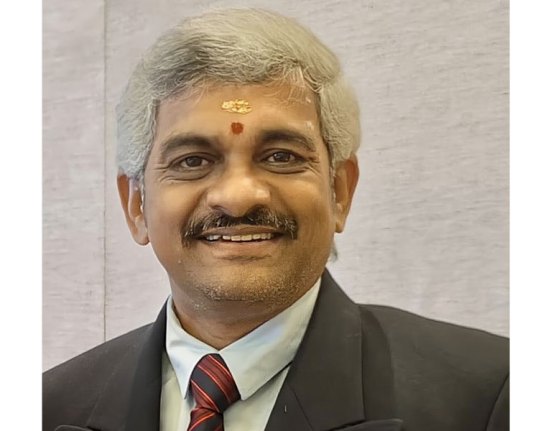
Author: Col Kanwal Kishore, Head FM, L&T Realty