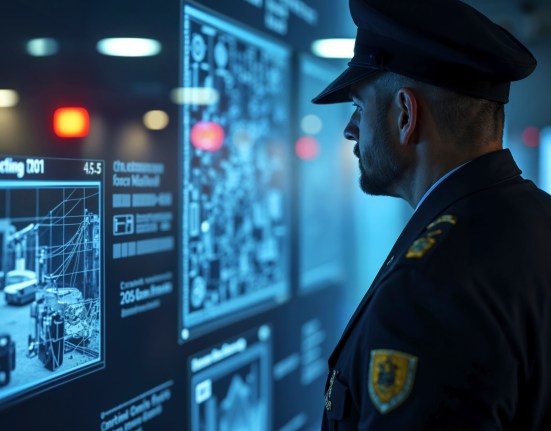
These airports, which had already implemented Next Generation Security Checkpoints (NGSC) with high-tech CT scanners, had previously removed the 100ml liquid rule
Starting from 00:01 BST on Sunday, June 9, 2024, some regional UK airports will temporarily reintroduce restrictions on carrying liquids over 100ml in hand luggage. This change affects passengers at Newcastle, Leeds Bradford, London City, Aberdeen, Southend, and Teesside airports.
These airports, which had already implemented Next Generation Security Checkpoints (NGSC) with high-tech CT scanners, had previously removed the 100ml liquid rule. However, the Department for Transport (DfT) stated that reintroducing these restrictions will help make further improvements to the new checkpoint systems, and emphasized that it is not in response to any specific threat.
The planned removal of the 100ml limit at Bristol Airport, which was scheduled for June 14, will now be delayed. A spokesperson for Bristol Airport confirmed, “There remains a 100ml max rule for each liquid taken in hand luggage.”
Currently, most UK airports, such as London Gatwick, Heathrow, and Manchester, still enforce the 100ml liquid limit as they have yet to install the new scanners. The affected airports have advised passengers to pack liquids in their hold luggage to avoid security delays. Liquids, including aerosols and gels, carried in hand luggage should not exceed 100ml.
Newcastle International Airport assured passengers they are working to minimize disruption. Transport Secretary Mark Harper advised travelers to check airport websites for specific rules before flying. He stated on BBC Breakfast, “For most passengers actually the rules haven’t changed at all yet, and won’t therefore change tonight.” Harper clarified that the reintroduced restrictions are temporary to allow for adjustments to the scanning equipment and assured, “It’s a temporary measure and we’ll set out when that can be reversed in due course.”
Initially, all UK airports were instructed to upgrade to the new scanners by 2022, but the deadline was later extended to June 1, 2024. Major airports received further extensions beyond this date. The new scanners, which are larger and heavier, often necessitate physical changes to security areas and in some cases, even the reinforcement of floors.
The six smaller airports had met the deadline and had removed the 100ml rule. Teesside Airport, the first in the UK to drop the 100ml limit after investing in the new technology, expressed pride in the smoother journey provided to passengers. However, a spokesman acknowledged the DfT’s decision, saying, “We recognize and respect the announcement made by the Department for Transport and will fully comply with all requirements. We hope this nationwide issue is resolved as quickly as possible.”
Although Birmingham Airport has installed the new equipment, it maintains the 100ml rule due to pending regulatory approval of its new screening machines. In these circumstances, passengers do not need to remove liquids up to 100ml from their hand luggage during security checks.
Airports that missed the installation deadline have been able to apply for extensions individually, which could extend the restrictions until June 2025. The DfT had previously stated that the Civil Aviation Authority would impose financial penalties on airports that continued to miss deadlines.
Consumer group Which? had warned in January that prolonging the restrictions could lead to confusion during the busy summer holidays. The rules, requiring liquids in containers of 100ml or less to be placed in a clear plastic bag for security checks, were introduced in 2006 following a foiled plot to bomb a transatlantic flight.
The new CT scanners use advanced X-ray technology to produce 3D images, allowing items to remain inside bags and permitting liquids up to two liters. However, airports have faced supply chain issues and significant construction work to install the scanners, including reinforcing floors to support the heavy equipment.