As AI continues to mature, the balance between innovation and responsibility will determine not just technological progress
As artificial intelligence (AI) becomes increasingly embedded in business operations, its dual nature—as both a catalyst for innovation and a potential source of risk—has never been clearer. From automating workflows to refining predictive models, AI’s transformative potential is reshaping industries. Yet, with this rapid adoption comes a growing awareness of its vulnerabilities—bias in algorithms, unintentional data exposure, and the manipulation of machine learning models, to name a few.
Experts believe that the next phase of AI advancement must prioritise trust and responsibility as much as technological capability. Building this trust depends on robust risk management frameworks that guide how AI systems are designed, trained, and deployed.
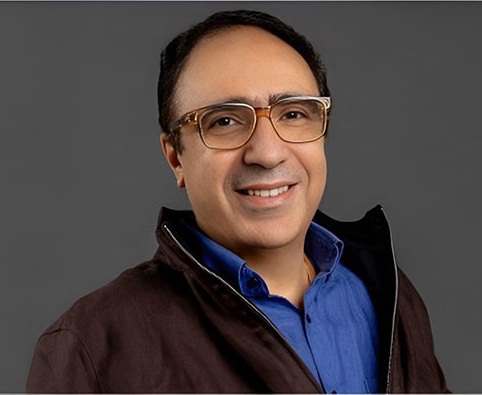
“Artificial Intelligence is changing how we operate in almost every field, offering new ways to solve problems and improve efficiency,” says Ashish Biji, Partner, Cybersecurity, BDO India. “But as we rely more on AI and open doors to new types of risks, issues like unintentional data exposure, misinformation, and manipulated algorithms are becoming real security risks. Managing these risks is not about limiting AI’s powers but about using it with responsibility. A robust risk management ensures that innovation and security go side by side. It starts with understanding how AI systems make decisions, protecting the data that trains them, and setting clear and strict boundaries for their use.”
Frameworks such as the NIST AI Risk Management Framework and ISO 42001 are emerging as guiding compasses for organisations seeking to balance innovation with safety. These standards offer practical tools to assess, document, and mitigate AI-related risks while ensuring transparency in decision-making.
“The aim is simple—build confidence in AI while safekeeping people, systems, and data,” Biji adds. “When applied carefully, AI can become a tool that strengthens digital trust and helps us to achieve a more secure and dependable world. We also place a strong emphasis on accountability and transparent documentation so that each AI decision can be justified. Our approach blends technical expertise with regulatory insight to help businesses stay compliant with frameworks like GDPR, DPDPA, and the EU AI Act. When done right, AI Risk Management doesn’t slow innovation—it builds trust, resilience, and a safer digital future for all.”
As AI continues to mature, the balance between innovation and responsibility will determine not just technological progress but also the level of public trust in digital systems. The challenge lies not in halting innovation, but in ensuring that every advancement is guided by ethics, transparency, and accountability a foundation upon which the future of trustworthy AI will be built.